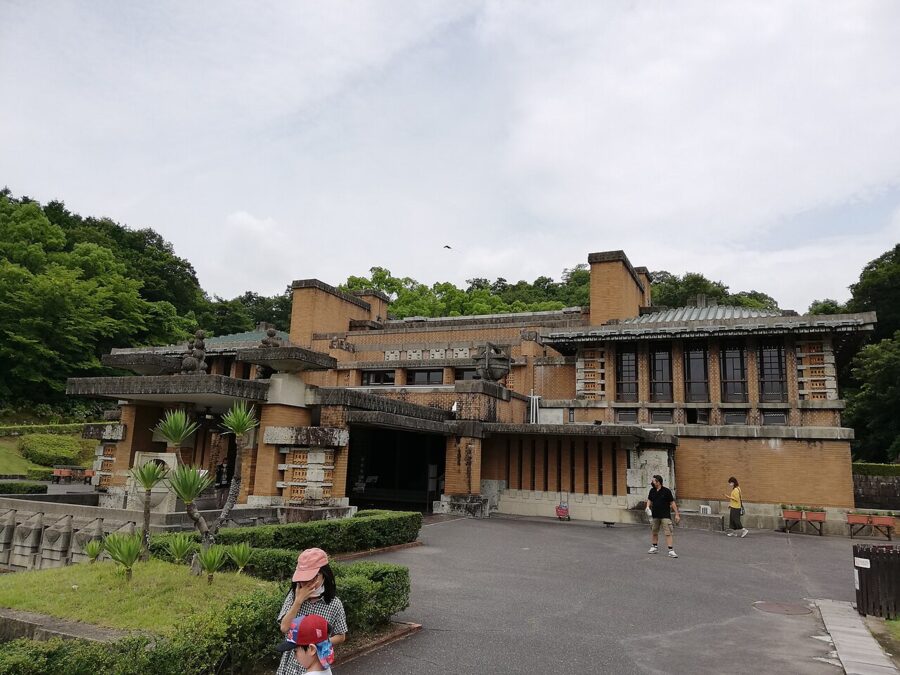
In the gift shop of Frank Lloyd Wright’s Imperial Hotel in Tokyo, a book on how Japanese companies think once sold ten to twenty copies a day. Its author was a young American who had come to Japan as a code clerk with the occupation army and stayed on to write headlines. His name was Boyé Lafayette De Mente, and over the next six decades he turned that first book into a shelf.
Contents6 parts
Sources disagree on how big that shelf is. Amy Chavez, writing his tribute in the Japan Times in June 2017, counted “30 or so” books on Japan; his own author pages said 60-plus; the encyclopedias say more than 100, once the books on China, Korea, Mexico, Arizona and the Hopi are added in. Library catalogs list well over a hundred editions under his name. Most of them are still easy to find used, and they are cheap.
Fewer are worth your evenings before a trip. De Mente was early, prolific and often right about manners, and he was also a man who titled a 2009 book Why the Japanese Are a Superior People! Reading him well means knowing which De Mente you have in your hand.
Code clerk, headline writer, publisher: the life in short
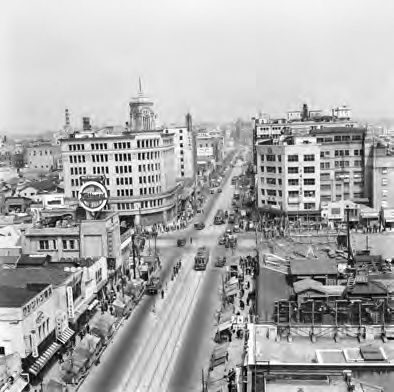
He was born on November 12, 1928, in Mayberry, in Reynolds County, Missouri, and his family moved to St. Louis in 1940. He finished McKinley High School there and joined the US Navy in 1946, where he trained in cryptography in Washington. In 1948 he moved to the Army Security Agency, and in 1949 the agency sent him to occupied Tokyo as a decoding technician.
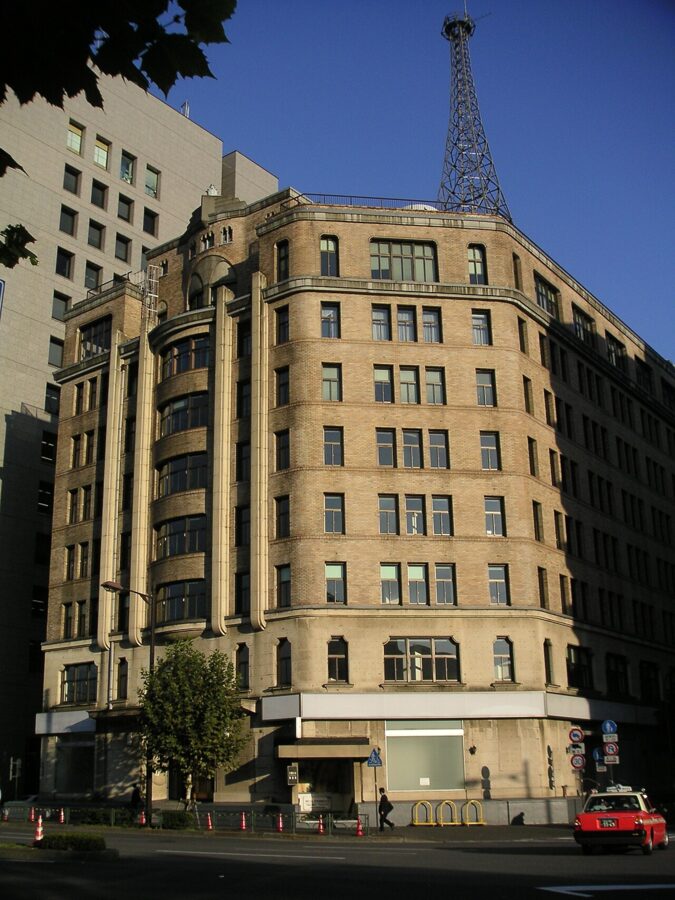
The agency worked out of the Sanshin Building in Hibiya, about 100 yards from General MacArthur’s headquarters. There De Mente wrote, printed and handed out a 12-page paper called the ASA Star, and by 1950 he was its editor. That was the start of a habit: for the rest of his life he was either editing something or writing a book about Japan, usually both.

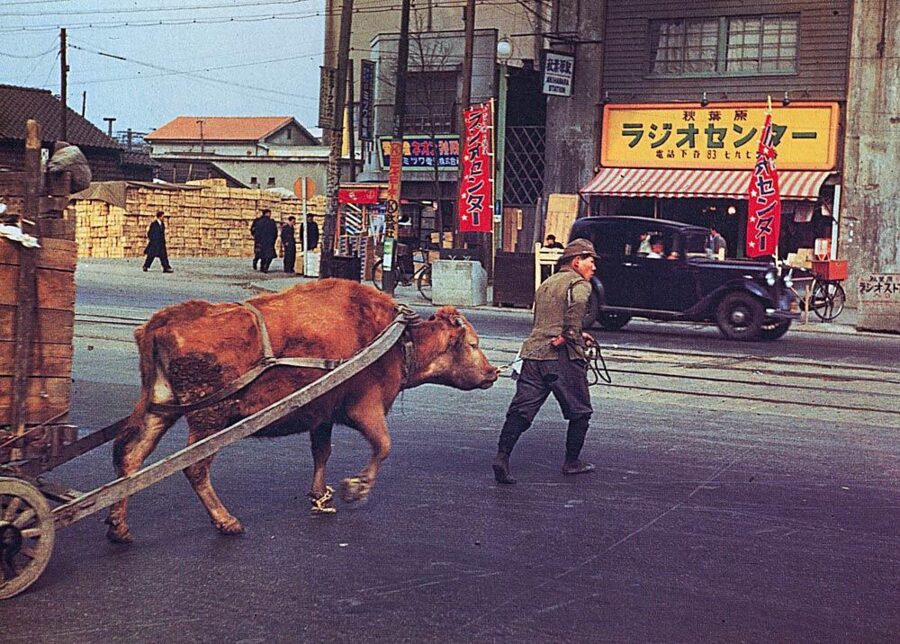
He went back to the US in 1952 to study at the American Institute for Foreign Trade in Arizona, the school now called Thunderbird, and was back in Tokyo by 1953. He worked on Today’s Japan magazine, did a stint as a headline writer for the Japan Times, and studied at night at Sophia University (Jōchi Daigaku, 上智大学), where he took a degree in Japanese and economics. Later he edited The Importer, an English-language trade journal, covering Asian exports for about four years.

The amphibious jeep
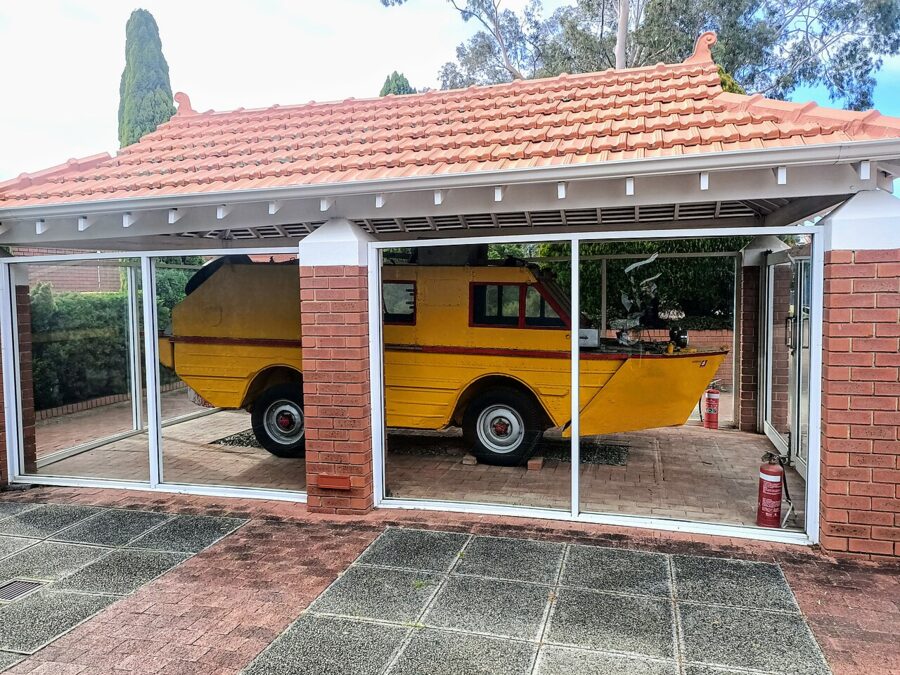
The detour everyone remembers came in May 1957. De Mente joined the Australian adventurer Ben Carlin aboard Half-Safe, a modified amphibious jeep, for the leg from Japan across the North Pacific by way of the Kuril and Aleutian islands. They reached Anchorage on September 4, 1957, after about four months, and the crossing went into the Guinness record book.
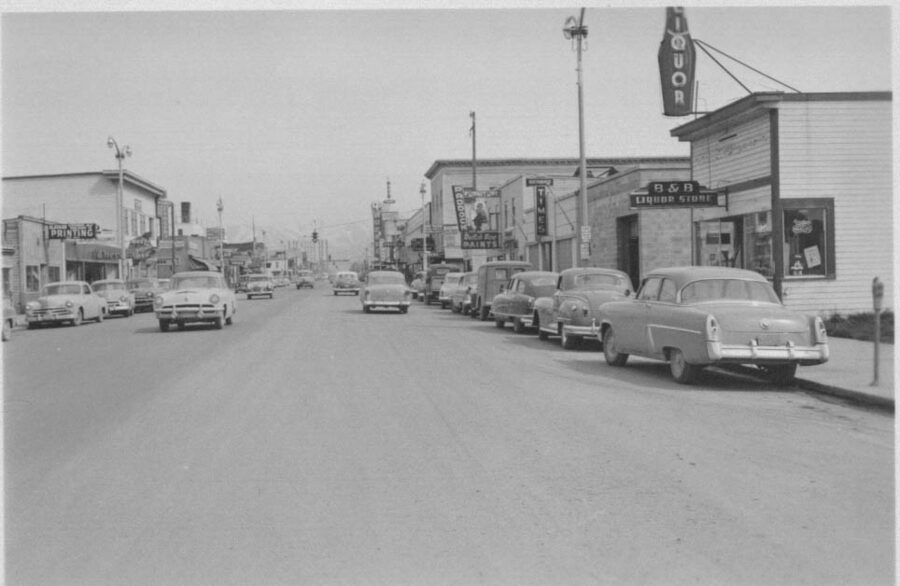
Carlin went on to finish his round-the-world trip; De Mente went back to Tokyo and, much later, wrote the voyage up as Once a Fool! From Japan to Alaska by Amphibious Jeep! (Phoenix Books). It is the one adventure story in his catalog, and it shows a side of him the etiquette guides never do: a man willing to be uncomfortable for months to see what happens.

Arizona, and a last Tokyo job
He stopped taking a salary in 1962 and lived on his books from then on. He also studied face reading with Japanese and Chinese teachers, wrote a book on it, and appeared on the American game show What’s My Line? His base became Arizona, where he ran his own imprint, Phoenix Books, out of the Phoenix area and published dozens of his later titles himself.
Tokyo pulled him back once more. In 1987 he became associate publisher of the Tokyo Journal, the city’s long-running English-language magazine, which with editor Glenn Davis became the first publication in Japan produced entirely on computers. He died at home in Paradise Valley, Arizona, on May 12, 2017, aged 88. His wife Margaret signed her note to Chavez as his wife of 58 years.


The Japan books, in order
The table keeps to titles I could confirm in library catalogs (Open Library, Japan’s CiNii and the Internet Archive’s scans), with the first edition I could trace. De Mente reworked his own books constantly, so many of the Tuttle titles on sale today are new editions of something he first printed decades earlier.
| Title | First year | Publisher | What it covers |
|---|---|---|---|
| Japanese Manners & Ethics in Business | 1960-61 (he gave 1959) | East Asia Publishing, Tokyo | How Japanese businessmen think, decide, negotiate and entertain. Later Japanese Etiquette & Ethics in Business (Passport Books 1987, NTC 1994, McGraw-Hill 2004). |
| The Tourist and the Real Japan | 1963 | Charles E. Tuttle | Trip advice: how to avoid pitfalls and get more out of a visit. |
| Oriental Secrets of Graceful Living | 1963 | Simpson-Doyle; Phoenix Books 1982 as Secrets of Graceful Living | Everyday customs offered as lessons in living well; see graceful living. |
| The Japanese as Consumers | 1968 | Weatherhill | Japan as “Asia’s first great mass market,” for exporters. |
| Exotic Japan | 1974-76 | Phoenix Books | Japan’s sights and pleasures for the foreign visitor; reissued as a free PDF around 2001 and in 2009, with survival phrases, as Exotic Japan! The Sensual & Visual Pleasures. |
| The Japanese Way of Doing Business | 1981 | Prentice-Hall | The business book reissued under a new title for American readers. |
| Made in Japan | 1987 | Passport Books | The methods, motivation and culture of the Japanese, and their influence on US business and on Americans. |
| Passport’s Japan Almanac | 1987 | Passport Books | An A-to-Z reference on Japan. |
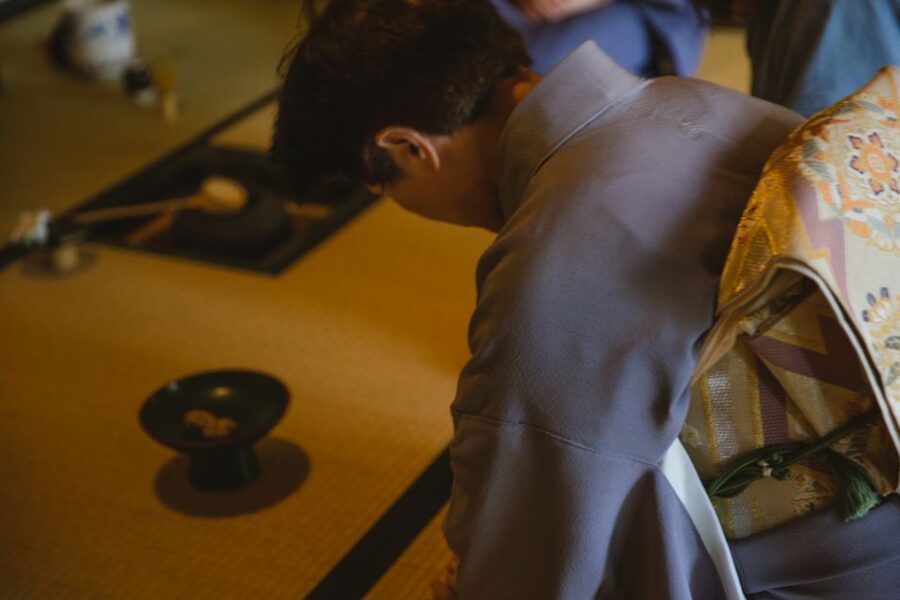
| Etiquette Guide to Japan | 1990 | Tuttle (Yenbooks) | Name cards, bowing, baths, dining, the tea ceremony; revised in 2015 with Geoff Botting. |
| Japan’s Secret Weapon: The Kata Factor | 1990 | Phoenix Books | Kata as the hidden program behind Japanese behavior. Became Kata (Tuttle 2003), then Japan: A Guide to Traditions, Customs and Etiquette (Tuttle 2018). |
| Behind the Japanese Bow | 1993 | Passport Books | “An in-depth guide to understanding and predicting Japanese behavior,” 147 pages. |
| NTC’s Dictionary of Japan’s Cultural Code Words | 1994 | National Textbook Co. | Nearly 400 pages of key terms, each in Japanese with an essay. Became Japan’s Cultural Code Words (Tuttle 2004) and Japan’s Cultural Codewords (Tuttle 2025). |
| The Japanese Have a Word for It | 1997 | Passport Books | The key-word method again, sold as a “complete guide” to Japanese thought. |
| Japan Unmasked | 2005 | Tuttle | National character in short chapters: yakuza, bullying, suicide, “Godless” Japan. |
| Elements of Japanese Design | 2006 | Tuttle | Key terms for the aesthetics of wabi, sabi and shibui. |
| Why the Japanese Are a Superior People! | 2009 | Phoenix Books | What the title says. |
Around these sit the language books (Survival Japanese, Instant Japanese, Japanese in Plain English), city guides such as the Tokyo subway pocket guide, and a run of nightlife and “romance” titles that began with Bachelor’s Japan in 1962. The same machinery then went abroad: business etiquette books on Korea (1988) and China (1989), code-word dictionaries for China and Mexico (1996), There’s a Word for It in Mexico, and late books called The Chinese Mind (2009) and The Korean Mind (2012).
The first book and its long life
Chavez’s tribute names an even earlier book, Japanese Simplified, a 1950 phrase booklet for servicemen with Japanese girlfriends, which grew into his steady seller Speak Japanese Today. But the book that made his name was the business one. Chavez reports that it sold hundreds of copies a day at its peak, and that a newspaper story about a stolen copy set off a fresh run on it.
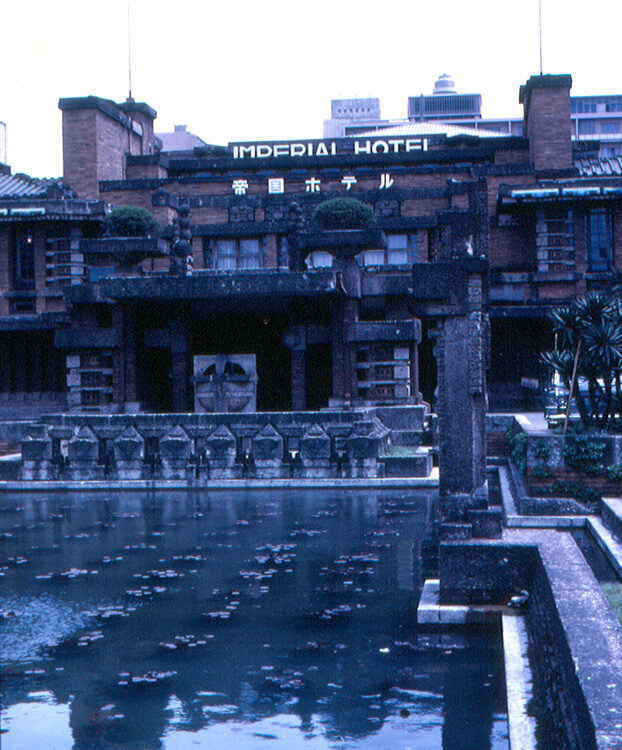

The editions tell the story of who wanted Japan explained. There were Tokyo printings in 1960, 1961 and 1966, then American ones from Prentice-Hall (1981), Passport (1987), NTC (1994) and McGraw-Hill (2004), so the book moved from expatriate shelves to American business shelves through the years Japan’s economy peaked. A Japanese-language book of his, Nihon no bijinesuman (日本のビジネスマン, “The Japanese Businessman”), translated by Oki Sadami, came out from Saikensha as early as 1963.
Culture through key words
His method was simple and he used it for decades. Take a Japanese word that has no good English equivalent, explain the attitude behind it, trace that attitude back to feudal or Tokugawa-era history, and tell the foreigner what to expect at the meeting or the dinner. The 1994 NTC dictionary is that method in its purest form: one word, one short essay, entry words printed in Japanese as well as romaji.
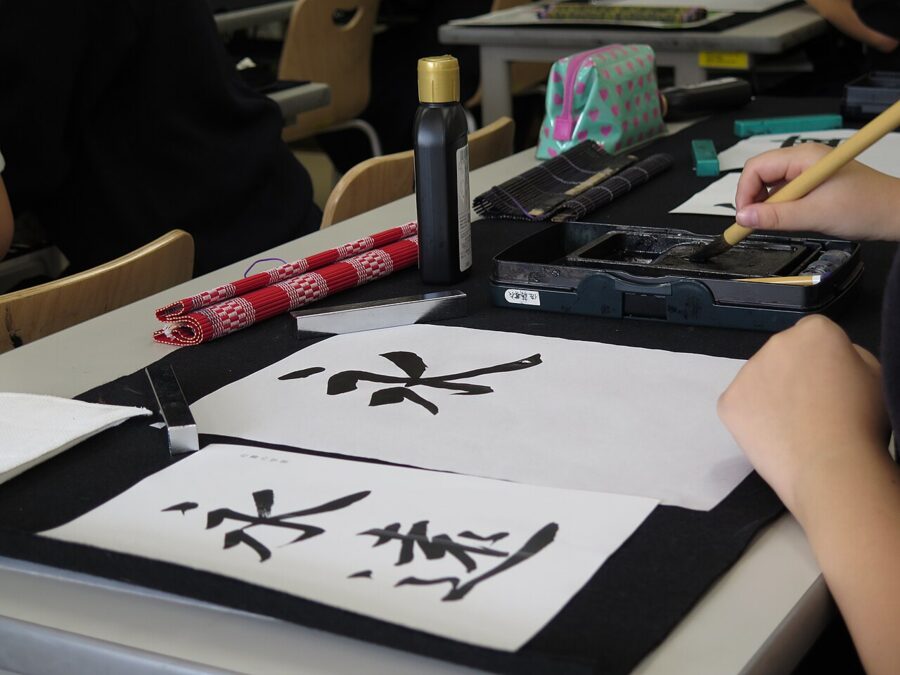

The 2004 Tuttle edition runs alphabetically from ageashi (揚げ足), which he glosses as tripping on your own tongue, to zenrei, which he glosses as breaking the molds of the past. A teacher reviewing it for the University of Pittsburgh’s East Asia teaching site singled out setsuyaku (節約, thrift), which De Mente follows from shogunate policy through wartime nationalism to today’s gap between generations, all in about a page. The same reviewer picked saiku (細工, fine workmanship), De Mente’s “small-is-cute syndrome”.
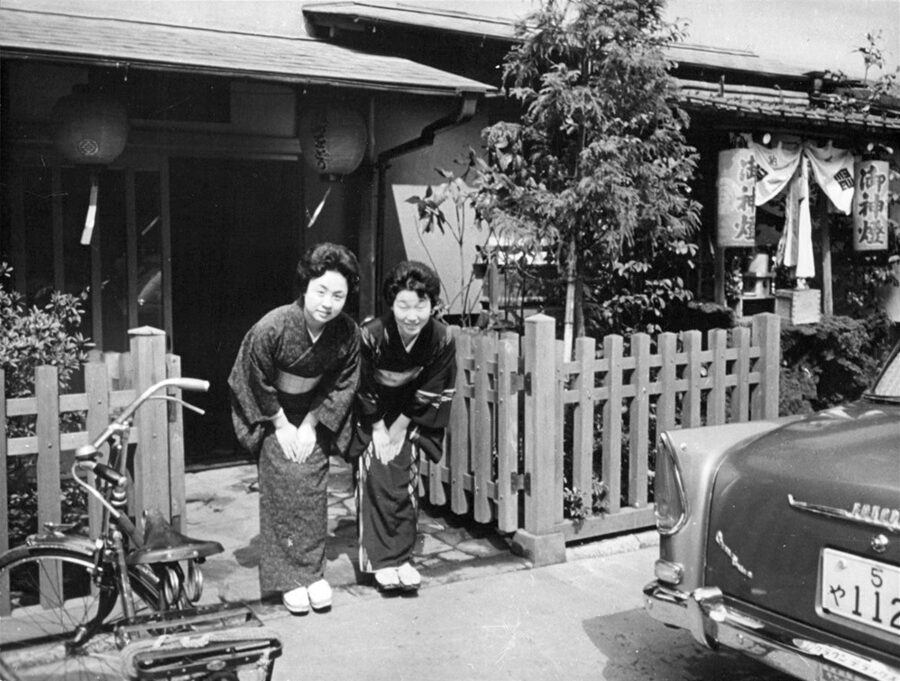
Kata (型, form) is the big one. In the Kata books De Mente argues that Japanese life runs on prescribed forms, from bowing and serving tea to work and business, and that once you see the forms, the behavior stops being puzzling. He told Chavez that the Japanese “are very predictable,” and the kata books are that sentence at book length.
What the method does well
For a traveler, the words are real handles. You will meet the bow, the name card, the gift, the bath and the dinner bill, and a short essay that names the habit and gives the Japanese word helps more than a list of rules. The best entries are close observation from someone who had been in the room since 1949.
The method also travels. De Mente ran the same scheme on Mexico, the Navajo and the Hopi, and that tells you something about its strength and its limit: it is a way of organizing what an outsider notices, which works anywhere.
What it does badly
The trouble starts when a word becomes a key to everyone. An essay on setsuyaku can describe a value; it cannot tell you whether the person across from you holds it. The history is often a single move back to the Tokugawa shogunate, repeated until readers notice it, and the books rarely cite a source, a complaint readers still make about Japan Unmasked.
The alphabetical format adds its own problem. The Pittsburgh reviewer liked the code-word book but noted that its order gives it no narrative flow, so it works as a book to consult, not one to read straight through.
Critics, and the nihonjinron problem
De Mente wrote in the same decades as nihonjinron (日本人論, “theories of the Japanese”), the postwar flood of books, many by Japanese authors, arguing that Japan is unique in language, psychology and social order. Scholars took that genre apart in the 1980s: Peter Dale in The Myth of Japanese Uniqueness (1986), Ross Mouer and Sugimoto Yoshio in Images of Japanese Society (1986), and later Befu Harumi in Hegemony of Homogeneity (2001). Their target was the claim that one national character explains everything.
None of them made De Mente a case study that I have found. But his books rest on the same premise, and some of his titles state it more bluntly than most nihonjinron writers did. The 1990 kata book is subtitled “the cultural programming that made the Japanese a superior people,” and nearly twenty years later he published a book with that thesis as its title.
The almanac review
The sharpest published criticism I found is William Wetherall’s review of Passport’s Japan Almanac in the Asahi Evening News in April 1988. Wetherall checked entries he knew well and scored them out of 100. The entry on foreigners in Japan got zero, because it defined foreignness by race rather than by citizenship; the entry on Koreans in Japan was misleading; the one on international marriage leaned on assertion.
He also caught the almanac praising the Tokyo Journal without saying that De Mente was its associate publisher, and he noticed that one entry’s reading list pointed readers to De Mente’s own Exotic Japan. His verdict was that the book was a “minefield of misinformation.” It is fair to say that a reference book is the worst place for De Mente’s habits, because readers cannot test it the way they can test an essay.
The other shelf
Then there is the nightlife and sex shelf: Bachelor’s Japan, Some Prefer Geisha (1966), Women of the Orient (1992), Sex and the Japanese (2006) and a 2009 title about why “Oriental girls” attract Western men. They belong to the occupation-era world he arrived in, and they read that way now. Skip them, unless your interest is how Western men wrote about Asian women.
What he got right
Give him his due, though. He was explaining Japanese business to foreigners in English by the early 1960s, from inside Tokyo, and he kept at it for half a century. Japanese readers took him seriously enough to translate him: his kata book appeared in Japanese in 1991, and in 2000 and 2001 Kodansha International published two books he wrote with the interpreter Matsumoto Michihiro, the first of them printed in English and Japanese side by side.
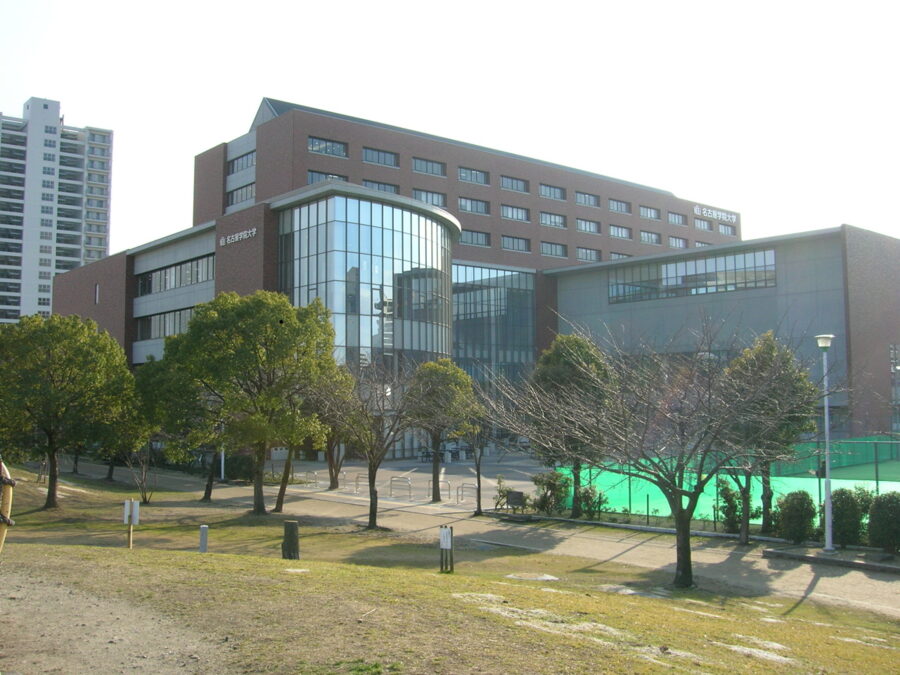
Japanese universities still hold him too. CiNii, the union catalog of Japan’s university libraries, lists the 1994 cultural code-word dictionary in 116 of them. In 2002, Komatsu Teruyuki put Behind the Japanese Bow on the reference list for his course on Japanese social behavior for Western exchange students at Nagoya Gakuin University.

Which books to read, and which to skip
If you are reading before a trip, this is the order I would take them in.
- Etiquette Guide to Japan (Tuttle, 2015 edition with Geoff Botting). Start here. It is short and practical: name cards, bowing and handshakes, baths, hosting and attending dinners, the tea ceremony, the subway, and in this edition phones, texting and social media, plus new chapters on foreigners in the workplace and younger Japanese in business. It is the De Mente book most useful on the ground.
- Japan’s Cultural Codewords (Tuttle, 2025). Dip into it rather than reading it straight through. Look up the words you will meet on your trip and treat each essay as one observer’s view of a habit, not as a rule.
- Japan: A Guide to Traditions, Customs and Etiquette (Tuttle, 2018). This is Kata revised by Botting, and it is the book to read if you want De Mente’s big idea in its best-edited form. Read it alongside Peter Dale, or at least with his objection in mind.
- Japan Unmasked (Tuttle, 2005). For the reader who likes to argue with a book. Its short chapters cover things the etiquette guides skip, and they show both his reach and his weakest habits.
- Exotic Japan (Phoenix Books, 1974-76; reissued 2001 and 2009). A period piece. Read it as a record of how Japan was sold to Western visitors in the 1970s.

The original Japanese Etiquette & Ethics in Business is worth reading as history rather than advice. An early edition shows how foreigners saw Japanese firms in the occupation and high-growth years, and set beside a later printing it shows how the picture was revised over thirty years.
Skip Passport’s Japan Almanac, for the reasons Wetherall gave. Skip the nightlife and “romance” books and Why the Japanese Are a Superior People! Skip the general business guides from before the 1990s, too, unless you want history; the 2012 Japan: Understanding & Dealing with the New Japanese Way of Doing Business! is his own account of how much had changed since the bubble burst.

How the etiquette book fits a trip
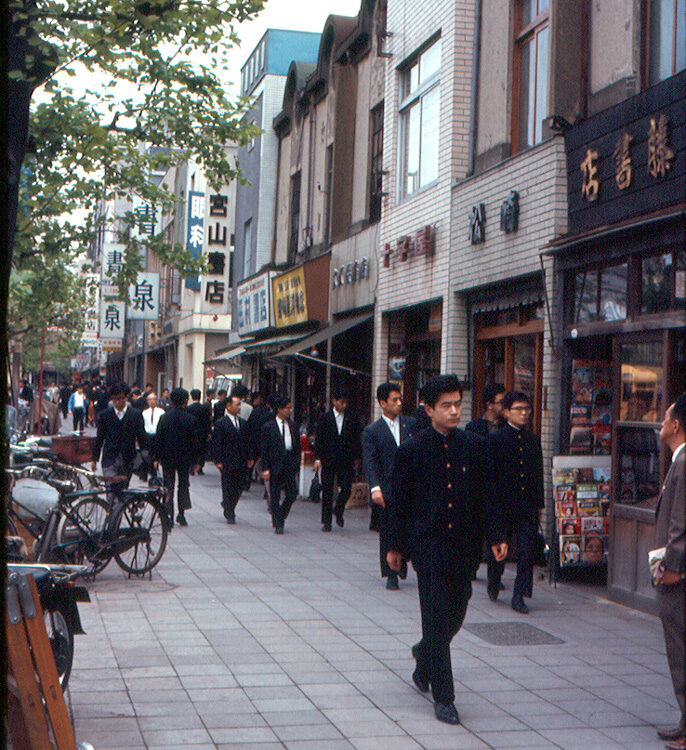
The etiquette guide is about behavior once you are there, not about planning. It covers riding the subway; it does not tell you how to get a seat on the bullet train, which is a separate skill with its own calendar. For that, read how to book Shinkansen tickets before you open De Mente at all.


Where to find them now
New, from Tuttle. As of November 2026, Tuttle lists Japan’s Cultural Codewords (June 2025, 352 pages, US$16.99, with a foreword by Hector Garcia) and the Etiquette Guide to Japan (2015, 192 pages, US$10.95) as in stock. The 2018 Japan: A Guide to Traditions, Customs and Etiquette is still listed by booksellers, and several Tuttle titles, Japan Unmasked among them, also sell as e-books.
Used. The Passport, NTC and McGraw-Hill editions turn up cheaply from secondhand dealers online. Check the edition year before you buy: a 1987 Japanese Etiquette & Ethics and a 2004 one are different editions, and the Kata book changed its name twice.
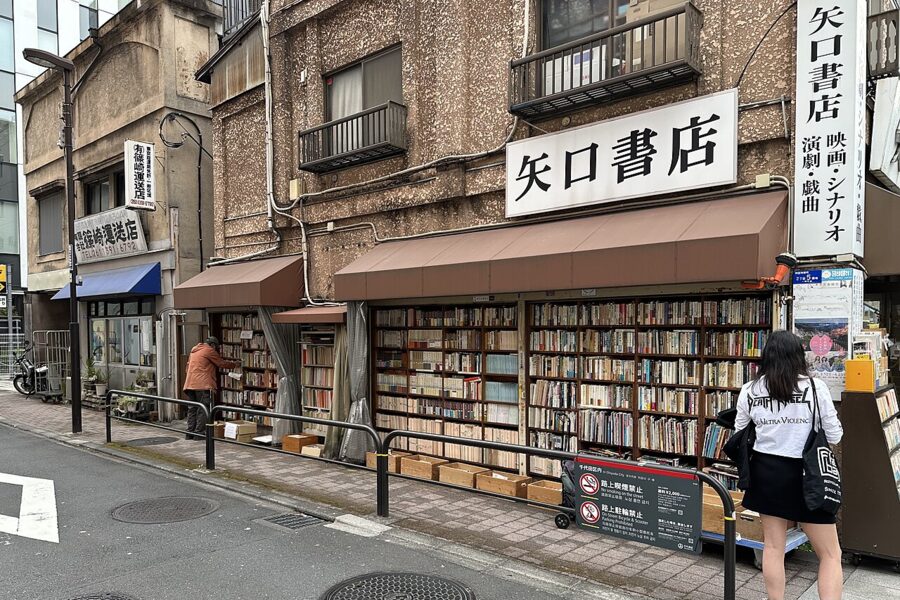

Libraries. University libraries in the US and Japan hold most of the Japan titles. The Internet Archive’s lending library has scans you can borrow, including the 1961 Tokyo edition of Japanese Manners & Ethics in Business, Behind the Japanese Bow, the 1994 NTC code-word dictionary and the 2003 Kata. Borrowing the 1961 edition is the cheapest way to read De Mente at the beginning.
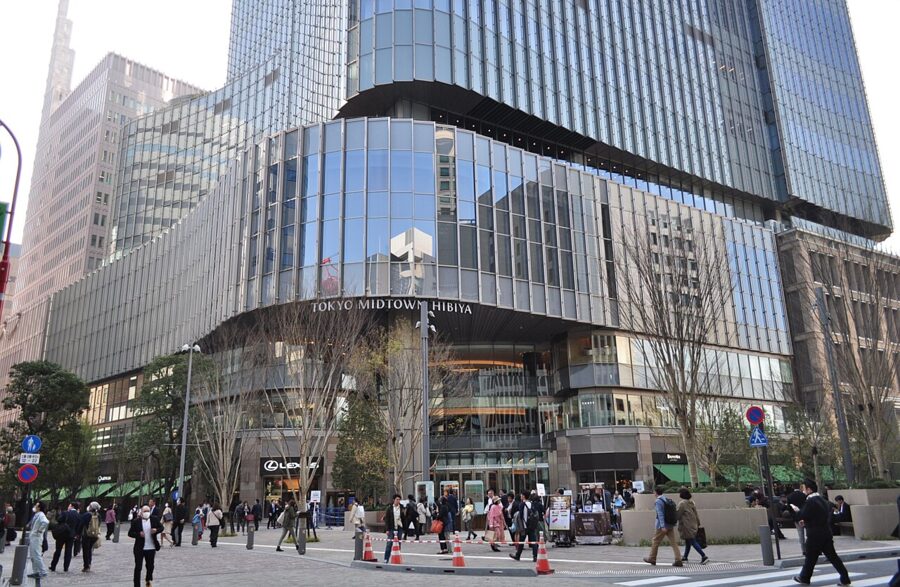

Then go and stand where it started. The Sanshin Building is gone, but Tokyo Midtown Hibiya stands on its lot across from Hibiya Park, and the underground concourse beneath it echoes the first and second floors of the old building. Somewhere above that floor plan, in 1950, a twenty-one-year-old was printing the ASA Star and starting to write down what he saw.