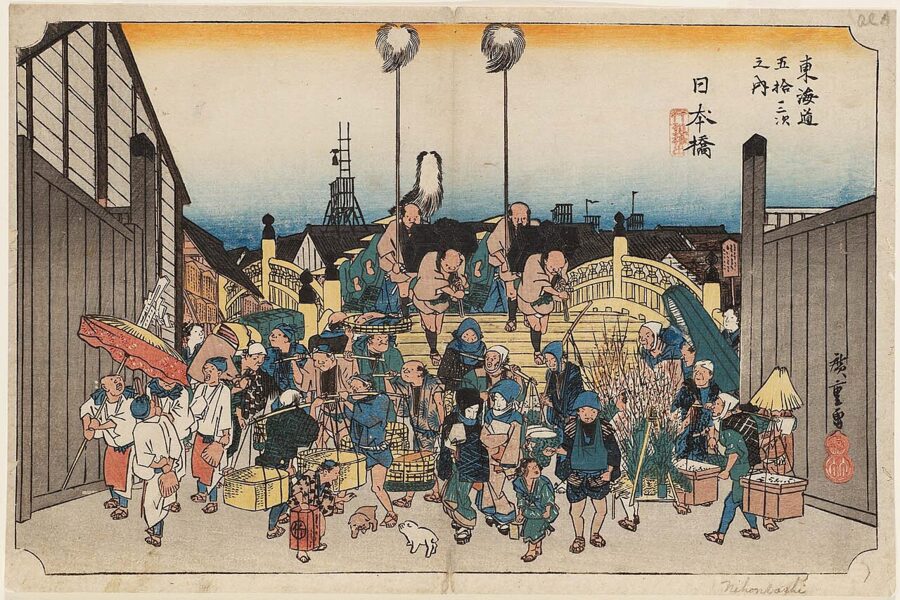
Exotic Japan opens on a Hiroshige print of Nihonbashi and ends on a Tokyo hotel’s fax number. In between, Boyé Lafayette De Mente spends about 45,000 words on gardens, festivals, inns, baths and night districts, in a love letter whose key line sits in the preface: “as a mistress Japan is incomparable.” Half of it still reads as a good primer on the Japanese year. The other half reads like what it is, a 1970s bachelor’s book lightly revised in 2001 and given away free.
Contents6 parts
The edition discussed here is the 2001 one, the version most readers met.

The book in hand
The first edition is Exotic Japan, by Boye De Mente, published by Phoenix Books of Phoenix, Arizona, in a series called The Traveler’s Wonderland: 159 pages, ISBN 0-914778-12-9. The library record gives 1976. The Library of Congress card number (74-21365) dates from 1974, and De Mente’s own list of his books also says 1974, with the subtitle The Land, Places, People & Pleasures.
So the sources split on the year; call it 1974 to 1976. That printing is scanned in the Internet Archive’s lending library, where anyone with a free account can borrow it, and used copies turn up under the ISBN.
The version most people read is the second. Around 2000 De Mente reissued the text as Exotic Japan: The Visual & Sensual Pleasures, copyright 2001, same ISBN, about 160 pages by its running heads, and offered it as a free PDF download from his own websites until about 2004. It was free because it was sponsored.
Boxes marked ENDORSEMENT break into the text for the Miyako Hotel Tokyo, then a Radisson affiliate in Shirokanedai, and for Japan Airlines, whose cabin he treats as the first room of Japan. The hotel’s airport bus times, its New Year mochi-pounding, its Girls’ Day dolls in the lobby and its room rates all turn up between the history and the haiku.

A third life followed in 2013: a self-published paperback, Japan: Aspects of a Unique Culture That Attracts Foreigners, subtitled The Exotic and Sensual Side of Japan!, 134 pages, listed by Open Library next to the 1976 book. The subtitle suggests the same material, but I have not compared the two.
Boyé Lafayette De Mente (1928 to 2017) reached occupied Tokyo in 1949 with the Army Security Agency, stayed on as a journalist and editor, and in 1959 wrote what he called the first book on Japanese business etiquette. He then turned out one or two books a year for half a century, from phrasebooks to dictionaries of cultural “code words.”
Where it sits on his shelf
De Mente wrote two kinds of Japan book, and Exotic Japan is the hinge between them. One kind explains: Japanese Etiquette & Ethics in Business (first printed around 1960), Japan’s Cultural Code Words (1994), Japan Unmasked. The other kind entertains men abroad: Bachelor’s Japan (1962), Women of the Orient, Japan at Night (1988).
Exotic Japan borrows from both, and says so. It cites Bachelor’s Japan on sex, and three times it quotes Japanese Secrets of Graceful Living on autumn melancholy, the tea ceremony and the way a lacquer bowl is chosen to suit the soup. Read that way, the book is a brochure for his whole catalogue: the aesthetics from Graceful Living, the night districts from the bachelor books, and the confident sentences about what “the Japanese” feel from the explainer in him.
What is inside
The 2001 edition has a preface, a short section on food, beds and trains called The Essentials, a glossary of about fifty words with De Mente’s homemade pronunciation guides, and four chapters. After the fourth, the structure loosens into a long run of short entries that read like a guidebook appendix.
The land and the seasons
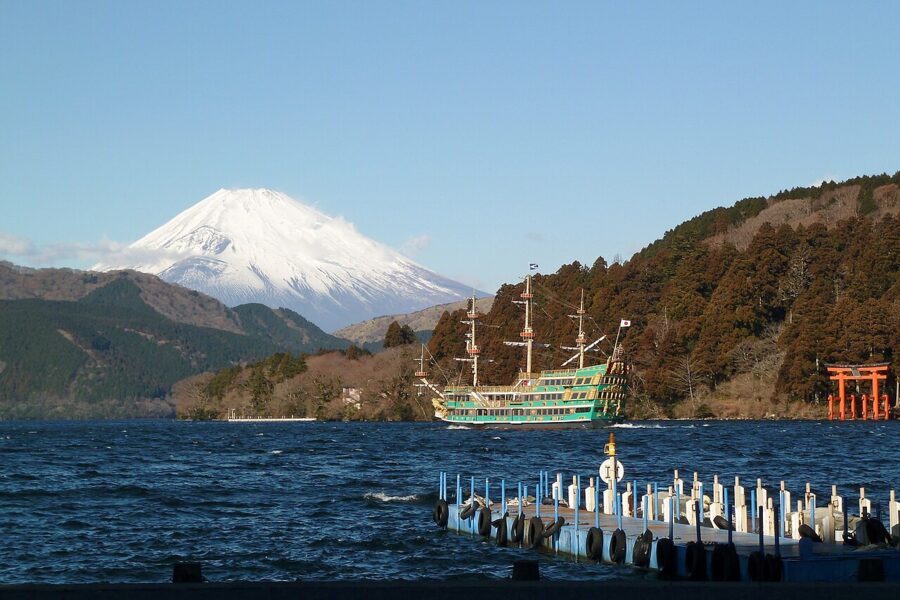
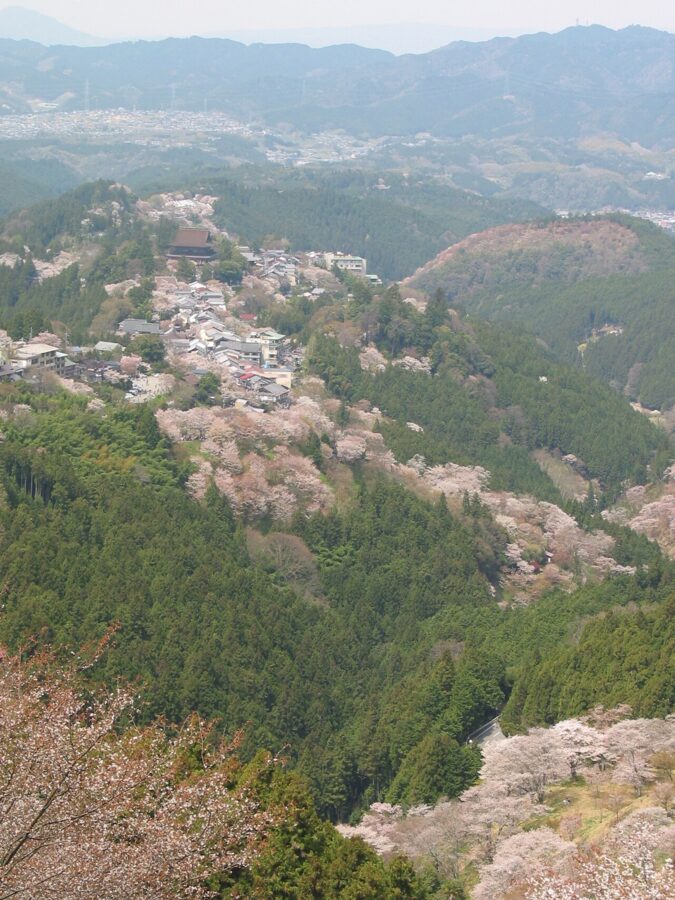
Chapter one is the country as scenery: the volcanic spine, the coasts, the Shinano and Tone rivers, Lake Biwa, and Lake Ashi in Hakone with Fuji over it. Chapter two is the best thing in the book. It walks the Japanese year as a sequence of customs: moon-viewing and insect-listening in autumn, stone lanterns lit for snow-viewing, plum blossom in late winter, and cherry parties moving north from Kagoshima in late March to Hokkaido.
Summer gets the evening routine of hot bath, starched cotton robe and scented fan that he calls yūsuzumi (夕涼み, enjoying the evening cool), and the Bon dance with its lanterns and floating lights. He leans on the writer Akimoto Shunkichi’s idea that Japan has a seasonal culture, and he is right to. Most of it is still the calendar people live by.

The people
Chapter three tries to explain national character through religion: Shinto for nature and festivals, Buddhism and Zen for discipline, Confucianism for family and hierarchy, and an aesthetic thread running through tea, flowers and craft. It ends on hospitality, with the foreign traveler cast as an honored guest of the whole nation. This is the chapter that has aged worst outside the night pages, and I come back to it below.
The pleasures
Chapter four is the longest and the reason for the title. It runs from sex and night life (bars, cabarets, hostesses, geisha) through food, coffee shops and theater to the “pleasure baths,” mixed bathing, the ryokan, the kimono and yukata, hot springs, gardens and national parks.
Then come the appendix entries: tea ceremony, castles, shrines, temples, ikebana, bonsai, lacquer, calligraphy and folk crafts. After those, a district-by-district tour of Tokyo, kabuki and bunraku, a long and loving section on sumo, six “exotic cities” (Kamakura, Nikko, Hakone, Nara, Kyoto and Yokohama), Fuji, and a month-by-month list of Tokyo festivals.
What still holds up
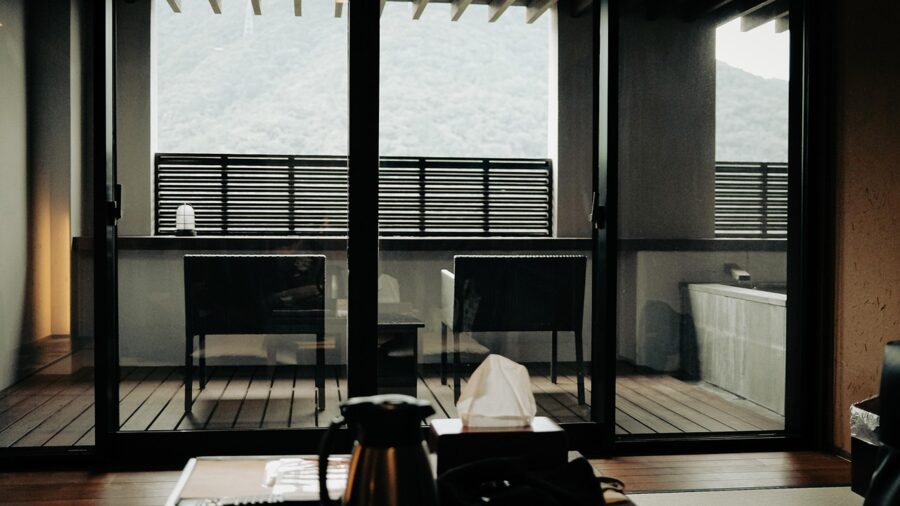
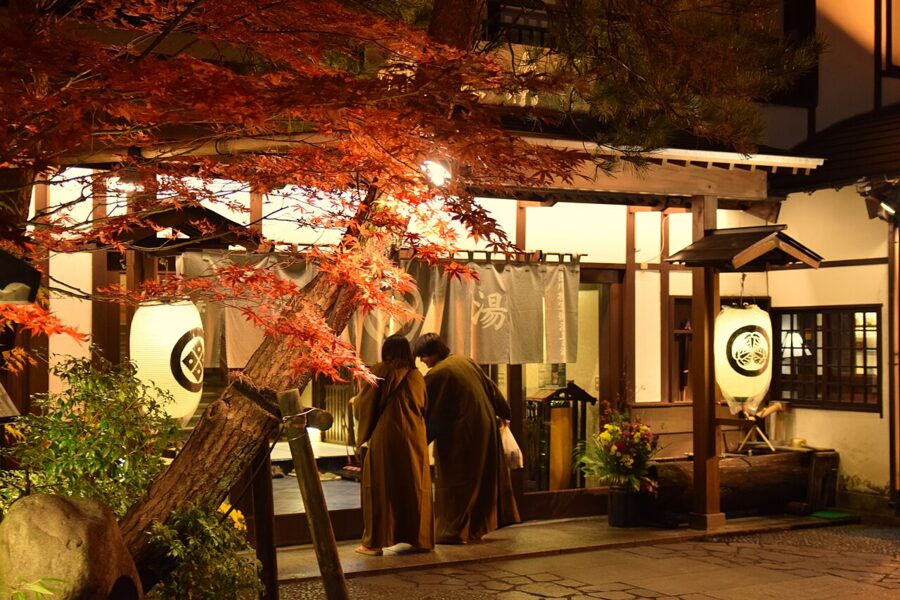
The ryokan pages are close to exact. You still take off your shoes in the genkan (玄関, entrance hall), get tea and a sweet on arrival, change into the inn’s yukata, bathe before dinner, and come back to find the futon laid out. His advice that a night at a hot-spring inn teaches you more than a week of temple-ticking is the soundest line in the book.
So is his bath routine, which is still the rule in every onsen (温泉, hot spring) and public bath. Wash and rinse on the stool first, then soak; never soap in the tub; carry the small towel in and keep it out of the water. On that, a traveler in 2026 and one in 1976 get the same instructions.

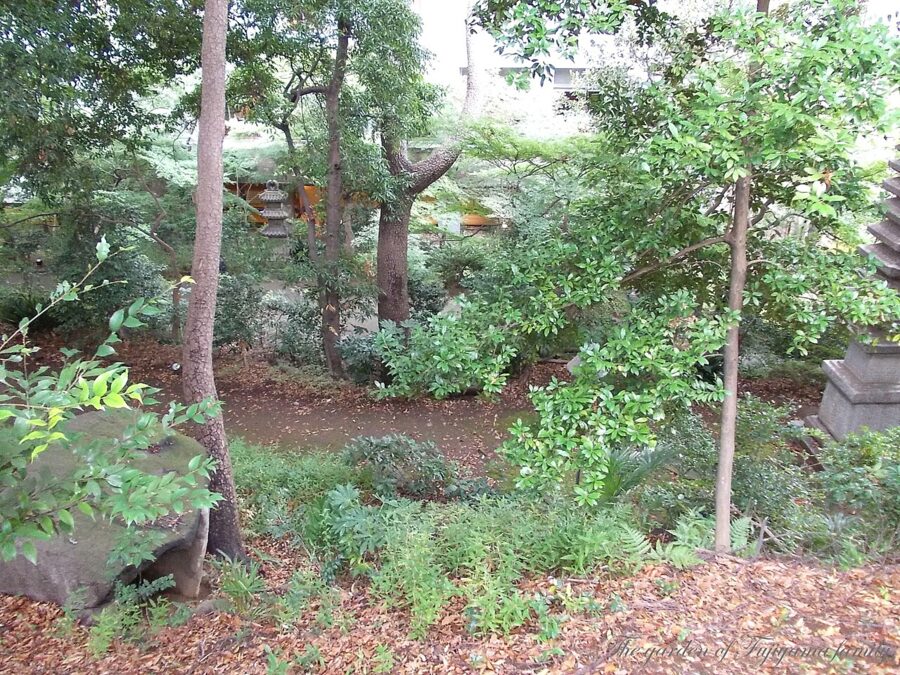
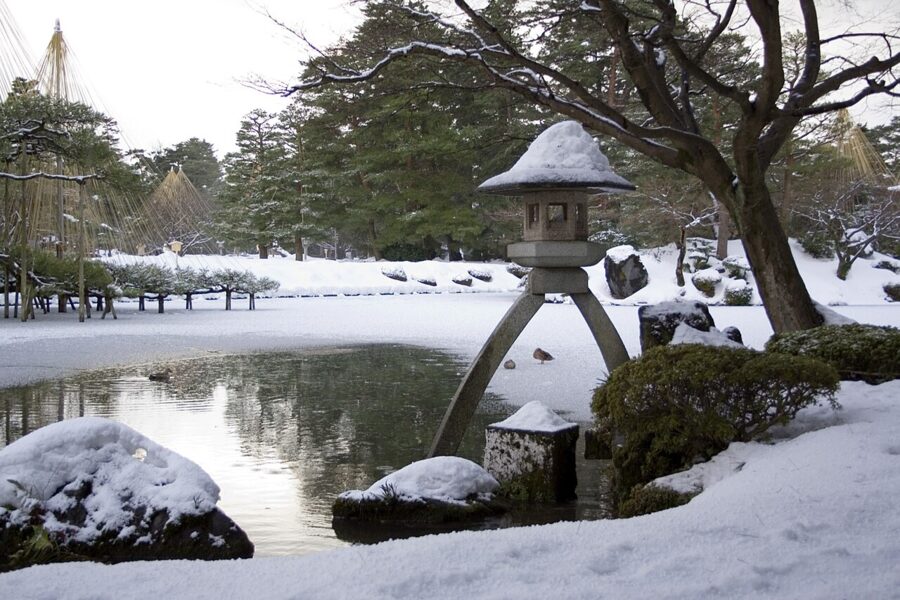
The seasons hold, too. The lantern made to be lit after snowfall is the yukimi-dōrō (雪見灯籠, snow-viewing lantern), and the best known is the two-legged Kotoji lantern in Kanazawa’s Kenrokuen.
De Mente’s Kenrokuen caption needs fixing, though. The garden began in 1676 under the Maeda lord Tsunanori and took the name Kenrokuen in 1822 under his descendant Narinaga, not in 1819. The Maeda fortune came from Kaga, the richest rice domain in Japan, not from the drug business the book credits.

His history of travel is good and still useful. The sankin-kōtai (参勤交代, alternate attendance) system that marched daimyo and their retinues to Edo every other year did build the inns, post towns and checkpoints of the Tokaido, and Hiroshige’s prints of its fifty-three stations are the best picture of it. Read those pages before a ride on the Shinkansen and the old road under the new line starts to make sense; the guide to booking Shinkansen tickets covers the modern half.
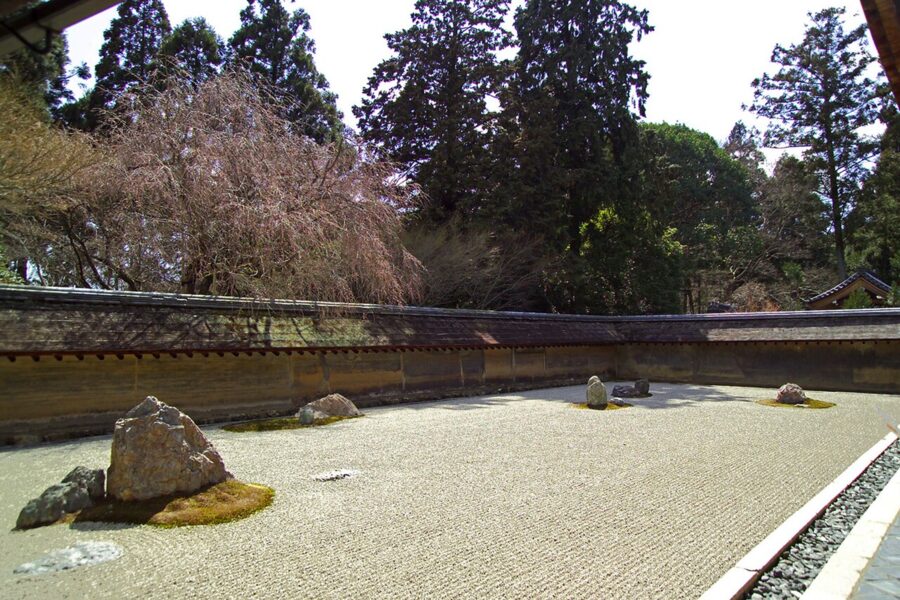
Small slips are easy to forgive and worth knowing. Fuji is 3,776 meters, as the later chapter says, not the 4,121 meters of the first. The attribution of Katsura’s garden to the tea master Kobori Enshū is tradition rather than record.
What has dated, said plainly
The book’s view of Japanese women is the part that has not survived. The preface turns the whole country into a mistress. The kimono section describes the garment by how fast it can be opened, and the yukata by whether anything is worn under it.
That paragraph is about the man looking, not the clothes, and the clothes have moved on. Kimono rental shops in Kyoto and Asakusa now dress visitors of every sex and nationality, and the yukata is festival and inn wear for everyone.
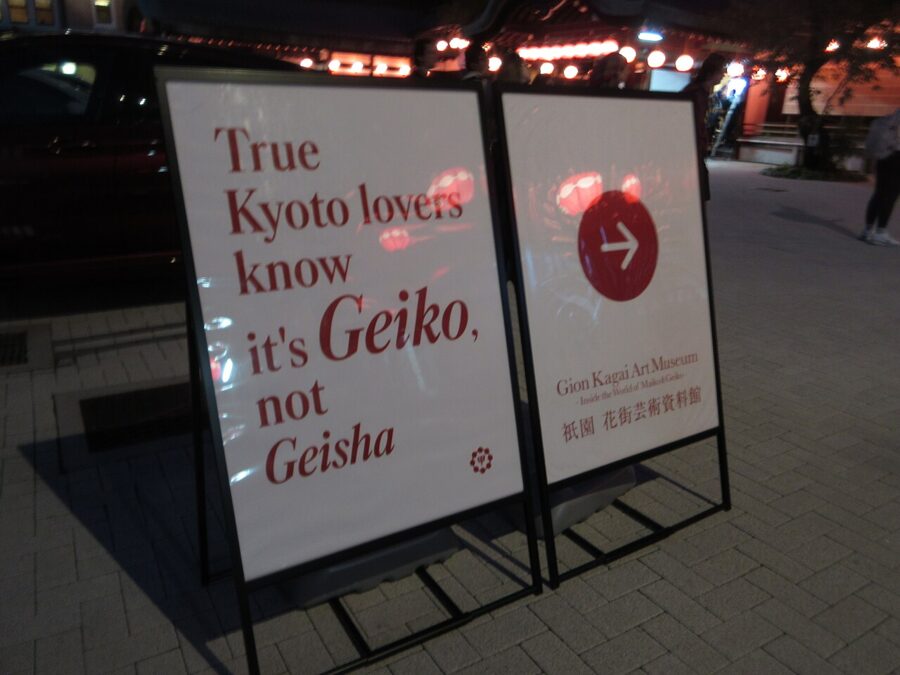
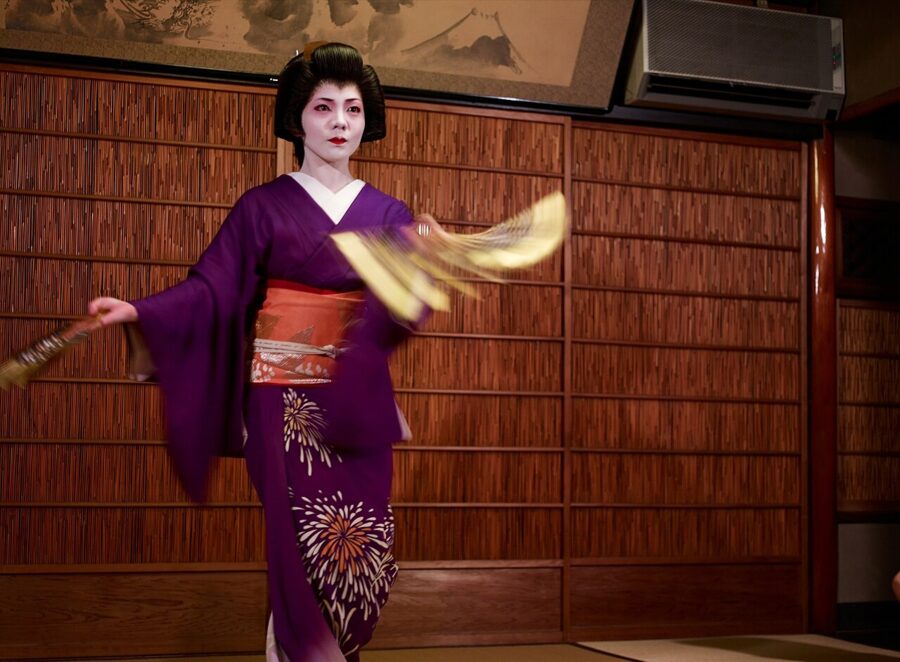
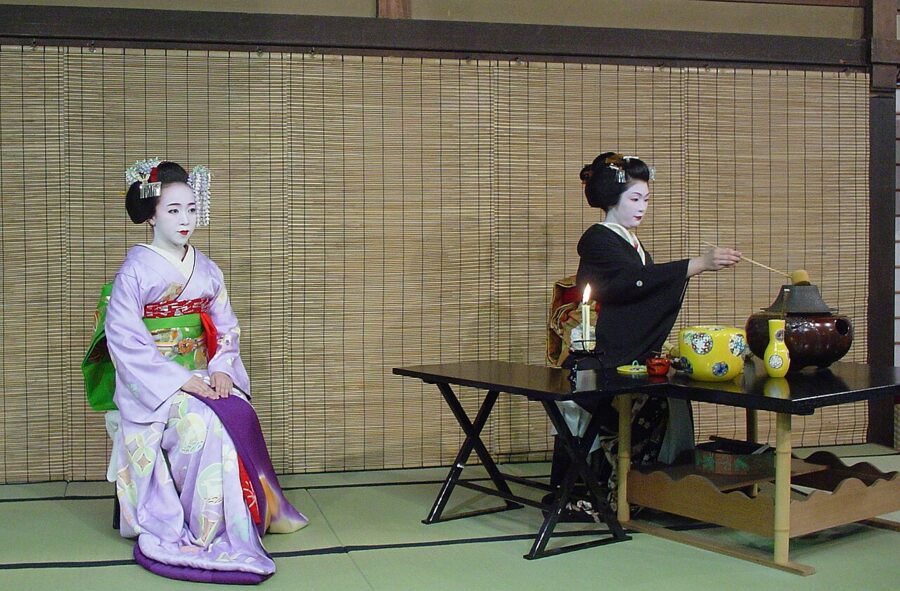
The geisha pages are worse than dated, because they are wrong in a way that matters. De Mente presents young women with a few hours’ training as an improvement on licensed geisha, whom he dismisses as mostly middle-aged. In Kyoto’s hanamachi a geiko trains for years, starting as a maiko (舞妓, apprentice), and her standing grows with age and skill.
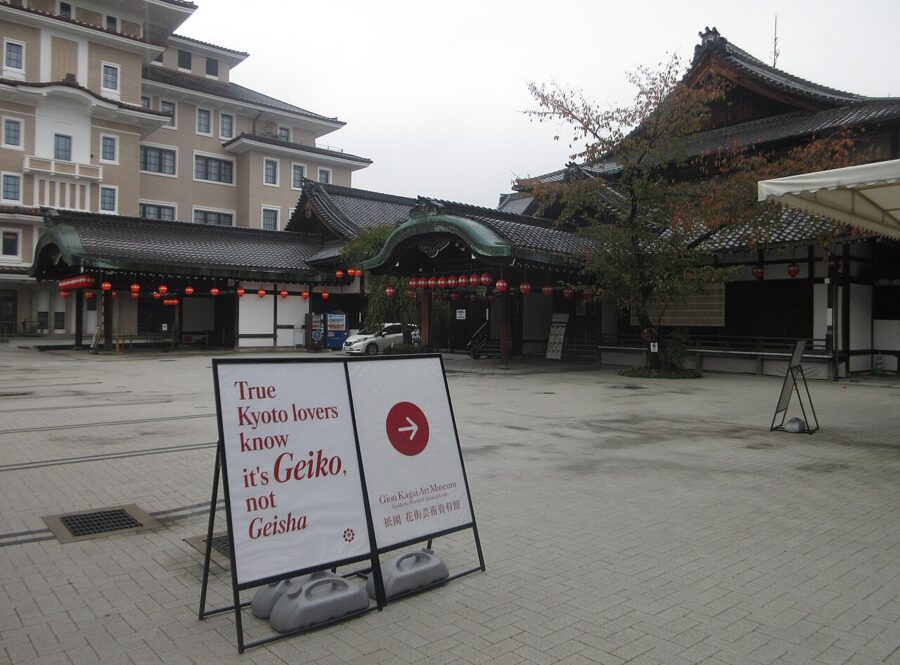
The anthropologist Liza Dalby, who trained in Kyoto’s Pontocho in the 1970s and published Geisha with the University of California Press in 1983, is the book to read instead. Since 2024 the private lanes off Gion’s Hanamikoji have carried notices closing them to sightseers, which says something about how the old fantasy plays out on the ground.

Then there are the “pleasure baths.” De Mente walks the reader through a Soapland visit step by step, mentions his own Saturday habit, and recommends the experience as part of seeing Japan. Soaplands are sex-industry businesses working around the Anti-Prostitution Act, passed in May 1956, in force from April 1957 and backed by penalties from April 1958.
They took the name Soapland in December 1984, after a Turkish student petitioned the Ministry of Health and Welfare to drop the old name toruko (Turkish bath); the book has that history right in outline. None of it belongs on a sightseeing list, and presenting it as culture is the book’s worst page.
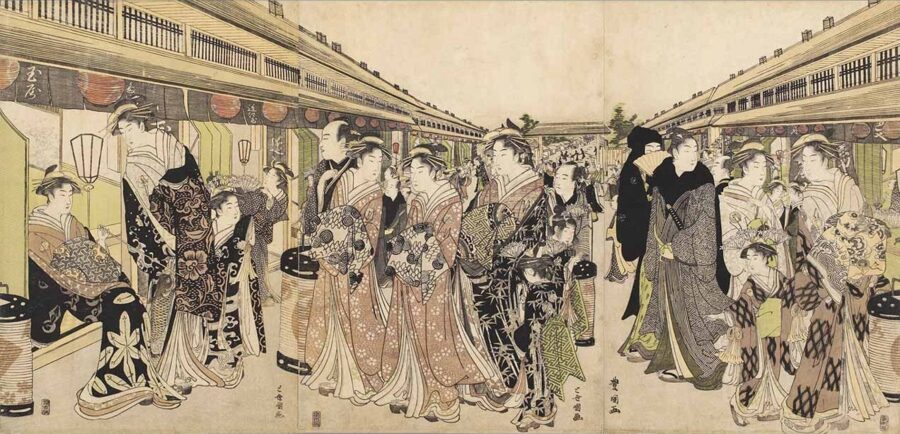
The bath history is also off. The book says Christian missionaries objected after 1868 and the Diet banned mixed bathing in public baths in the mid-1950s. In fact Tokyo restricted mixed bathing in 1869 and fined it from 1872, and a Home Ministry order banned it in public bathhouses nationwide in 1900.
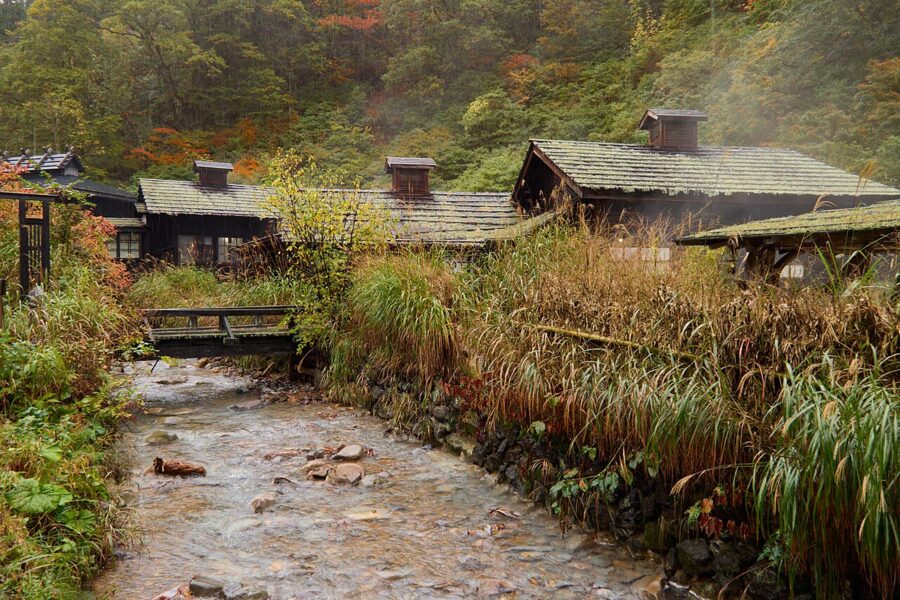
Mixed bathing lasted longest at rural hot springs and mining towns, into the 1950s and 1960s. Shared baths survive at a few old inns in the mountains, but “common” is no longer the word.
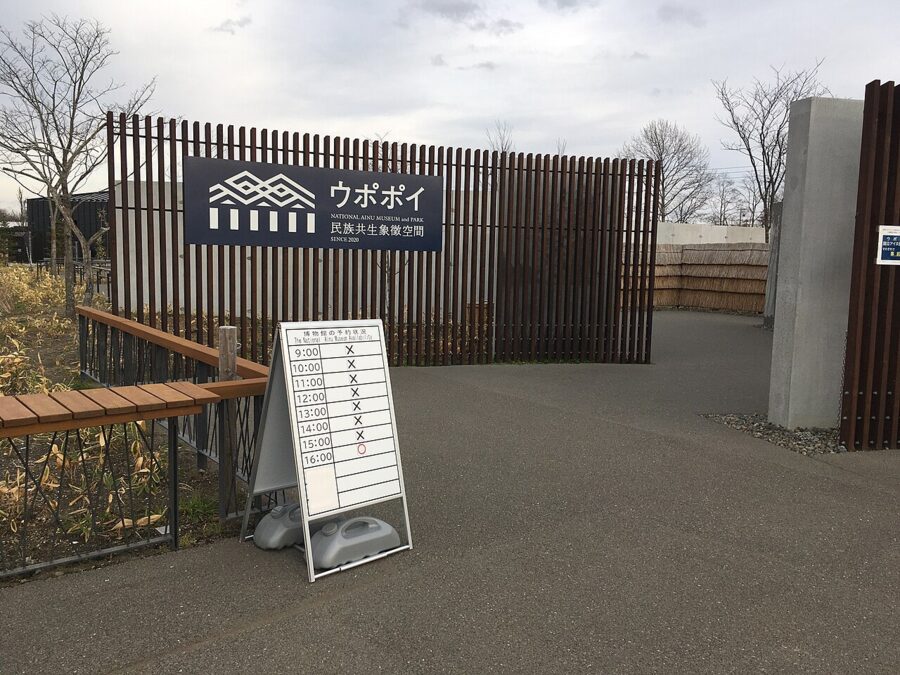
The people chapter has its own problem. It sorts the Japanese into four “racial groups,” labels the Ainu Caucasian, and generalizes about a national gift for kindness and a psyche free of sexual hang-ups. In 2019 Japan passed a law recognizing the Ainu as an Indigenous people, and Upopoy, the National Ainu Museum and Park at Shiraoi in Hokkaido, opened in 2020; go there rather than take the book’s word.
Behind all of it is the word in the title. Edward Said’s Orientalism (1978) named the habit of treating a whole people as a source of mystery and pleasure for the visitor, and Exotic Japan is a clean example. De Mente knew more about Japan than almost any American of his day, and his affection for the country is real, but he writes about Japanese people as hosts and attendants, almost never as neighbors or colleagues with their own reasons.
Seeing it now
Most of the book’s places are still there. Some have changed hands, some have moved, and a few are gone.
Tokyo
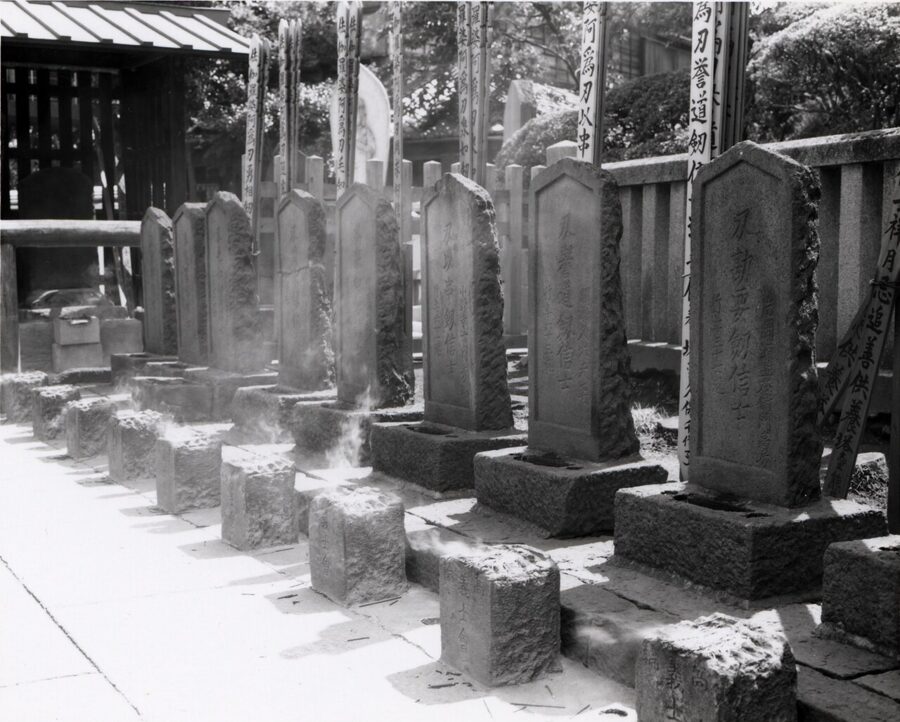
The Azabu Juban Onsen that the book recommends for a coffee-colored soak near the sponsor hotel closed on March 31, 2008, and the site has been rebuilt. Sengakuji, a walk from the hotel, still keeps the graves of the forty-seven ronin, and the Gishisai festival in their memory is held there every December 14.
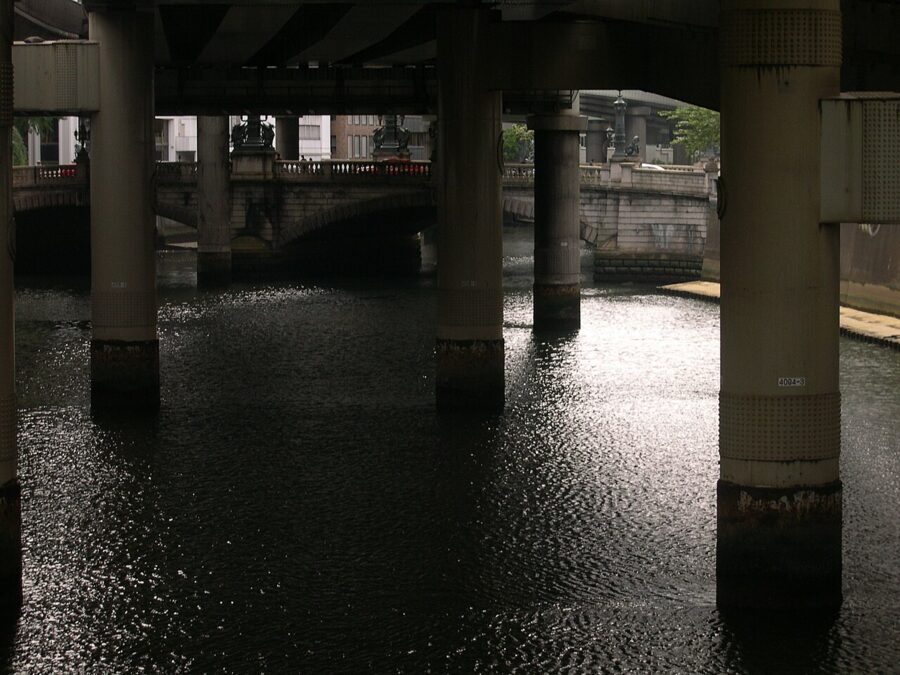
Nihonbashi, the bridge on page one, still has an expressway running over it. That is finally going: the underground route is scheduled for fiscal 2035 and removal of the viaduct for fiscal 2040.

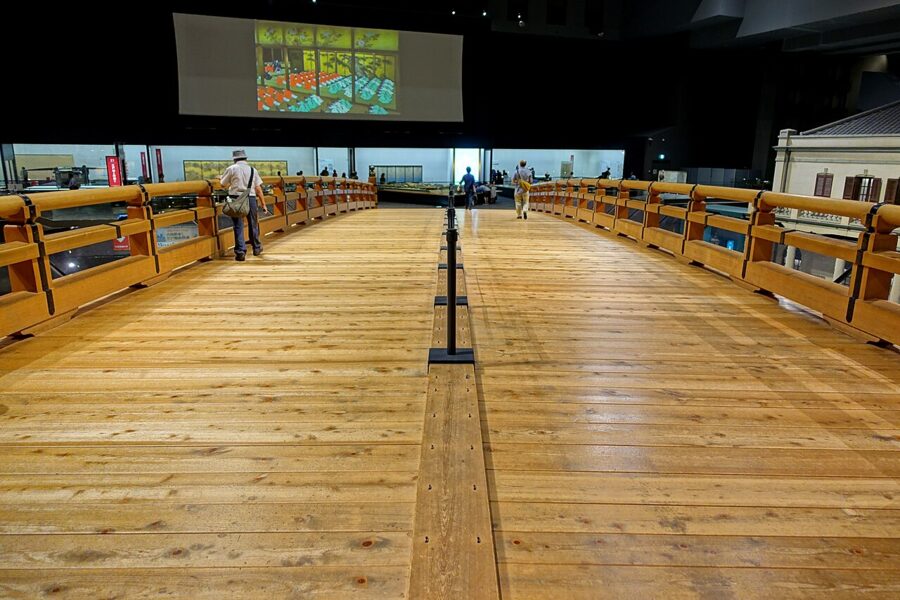
The Edo-Tokyo Museum in Ryogoku, the one museum De Mente insists on, reopened on March 31, 2026 after four years of renovation, with permanent-exhibition tickets at ¥800 (about US$5) for adults.
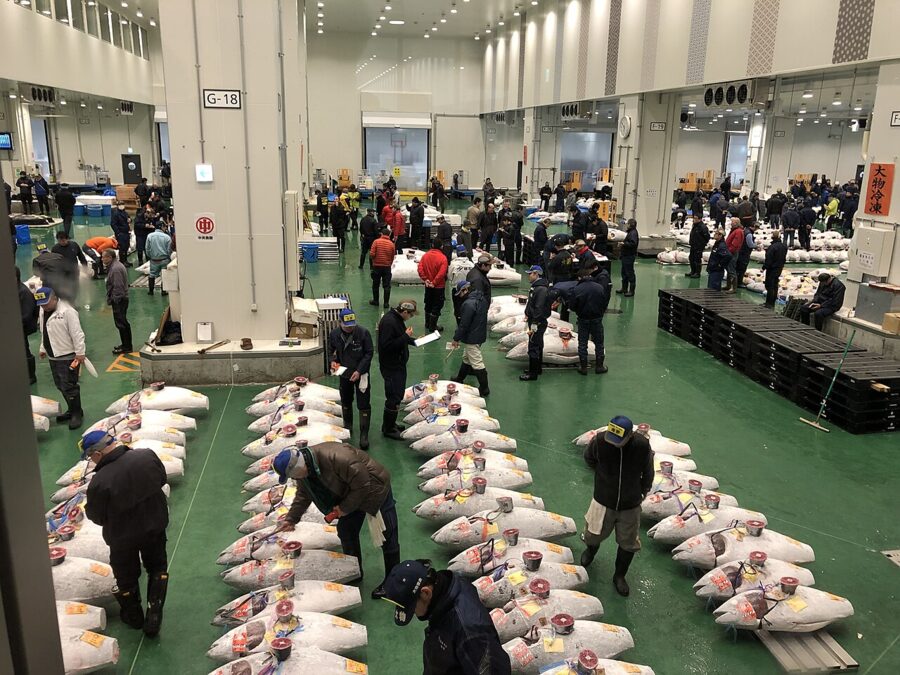
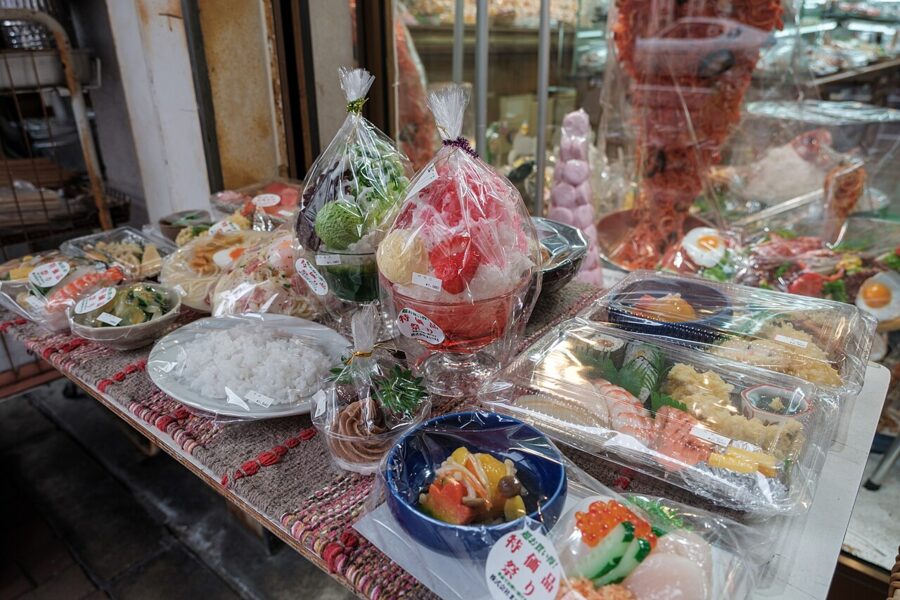
The fish market he sends you to at dawn is no longer in Tsukiji. The wholesale market moved to Toyosu in 2018, and the tuna auction there is watched from an observation deck by advance lottery, 5:45 to 6:25 a.m., with no same-day places. Kappabashi still sells the plastic food models he suggests as gifts.


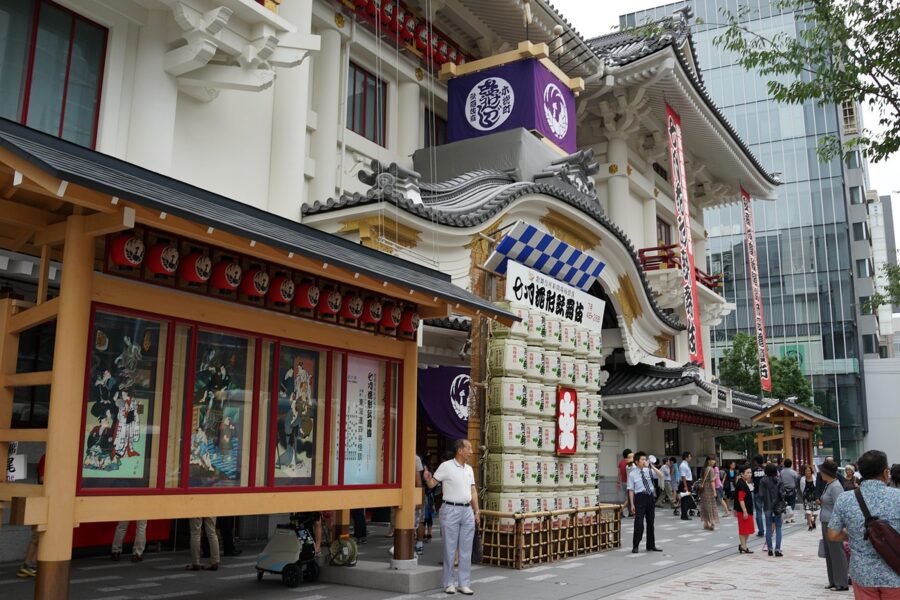
For theater, the Kabukiza in Higashi-Ginza still runs a program most months; December 2026’s runs from the 2nd to the 25th. The National Theatre in Hayabusacho, where De Mente sends readers for bunraku and kabuki, closed in late 2023 for rebuilding, and after two failed tenders the revised plan aims to reopen it in fiscal 2033.
Hakone and Fuji
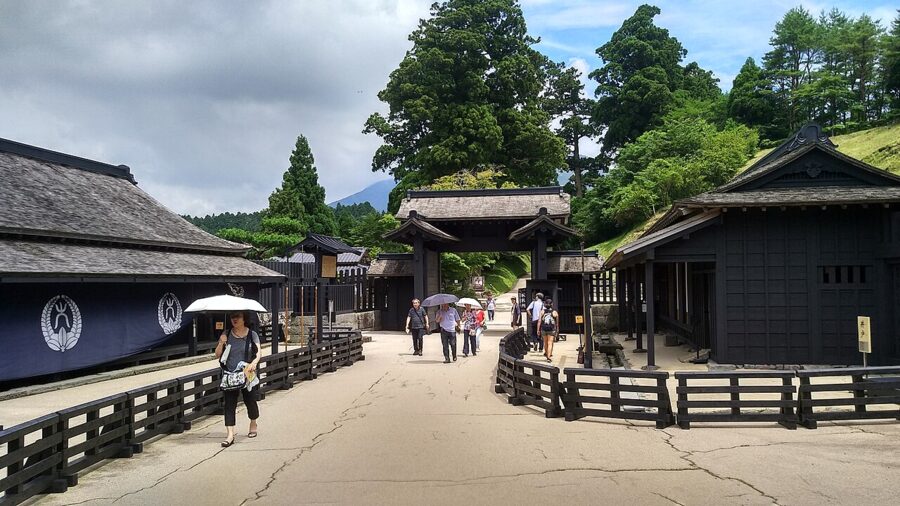
The Hakone checkpoint is not, as the book has it, a guardhouse on a plot opposite the original. The sekisho (関所, barrier) was rebuilt on its own site from a construction record found in 1983 and from excavation, and opened in full in April 2007.
The Daimyo Procession he describes is still held every November 3, but in the hot-spring streets of Yumoto rather than along the lake. In 2025 about 200 people walked roughly two kilometers through the town.
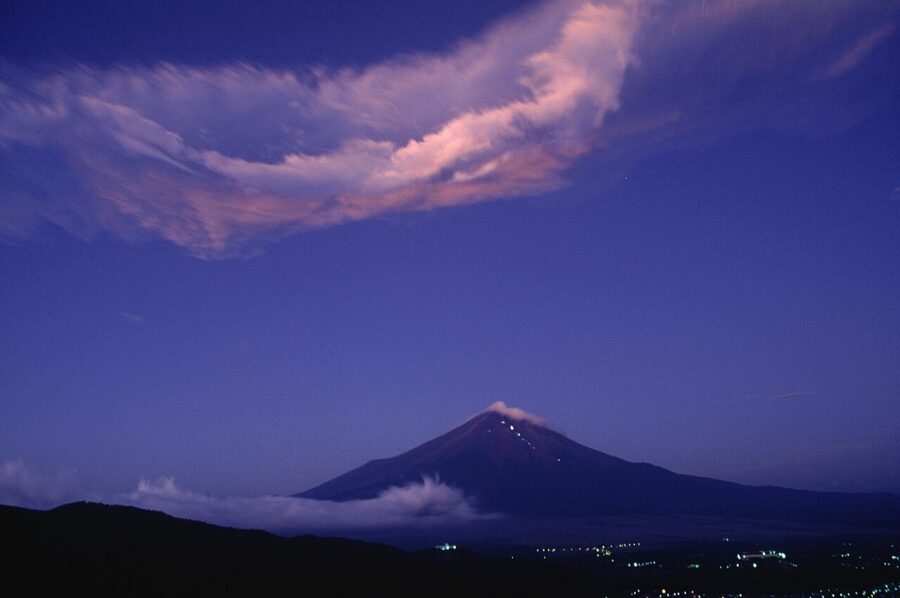
Fuji has rules he never needed. For the 2026 season on the Yoshida Trail, Yamanashi charged ¥4,000 (about US$25) per climber, capped numbers at 4,000 a day, and shut the fifth-station gate overnight, from 2:00 in the afternoon to 3:00 in the morning, to anyone without a hut booking. Check the prefecture’s season page before you go. His packing list of layers, rain gear, a flashlight and a bag for your trash still stands.

Kyoto, Himeji and the festivals
Gion’s spring dance, the Miyako Odori, ran April 1 to 30 in 2026 at the Gion Kobu Kaburenjo, three times a day, with seats from ¥4,000 (about US$25). Gion Matsuri’s float processions are still on July 17 and 24, and the Jidai Matsuri on October 22.
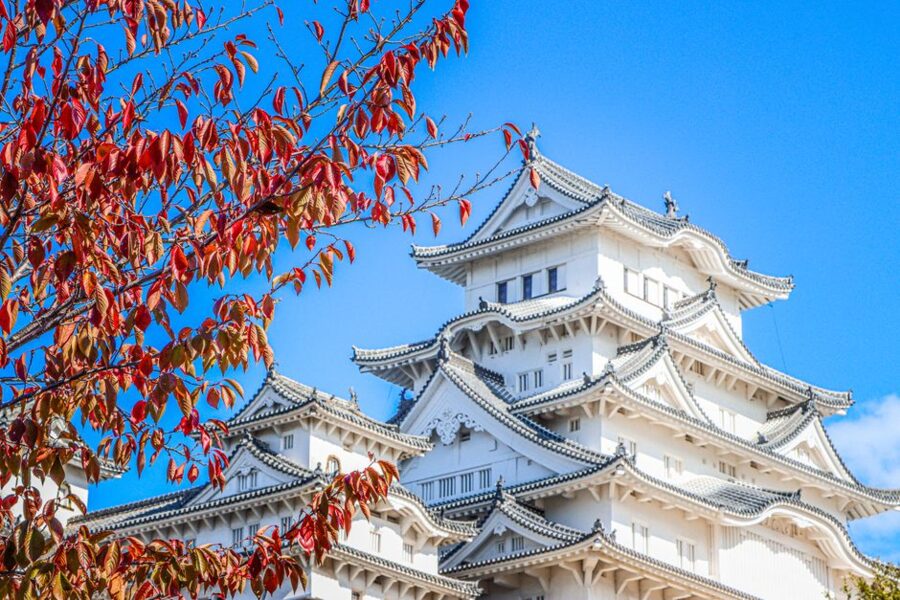
Himeji Castle is still his favorite castle and mine, but it now charges what he would not recognize. Since March 1, 2026, admission has been ¥2,500 (about US$16) for visitors from outside the city and ¥1,000 for Himeji residents, with under-18s free.
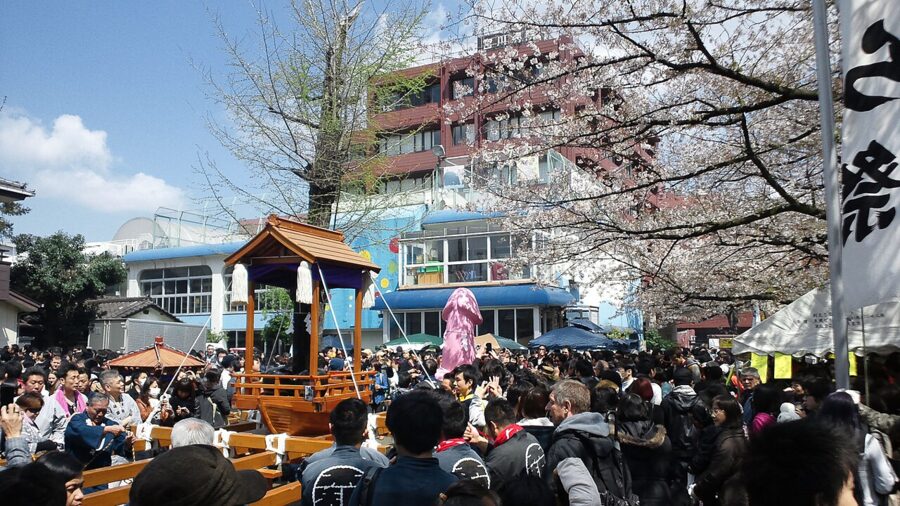
The fertility festivals he lists at hot-spring towns are hard to pin down today, but the best known is easy. Kawasaki’s Kanamara Matsuri at Kanayama Shrine, three minutes from Kawasaki-Daishi station, falls on the first Sunday of April (April 5 in 2026), with a pink portable shrine at the center of the parade. It is cheerful and crowded, and a long way from the solemn rite the book describes.
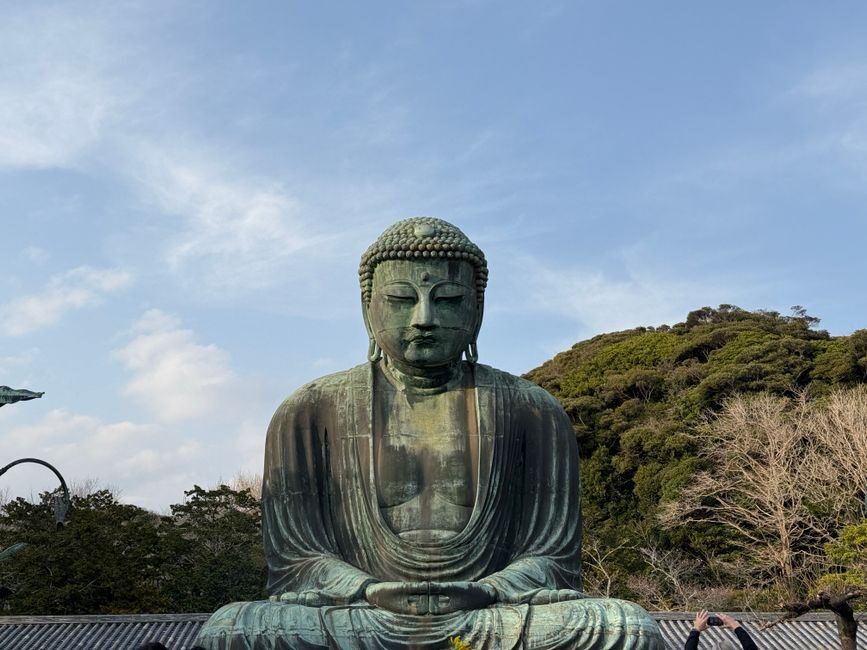
Start where the book starts, though: at the Great Buddha in Kamakura, where De Mente signed his preface. The hall that once covered it has been gone since the late fifteenth century, and the bronze sits out in the weather, as he says. Stand in front of it with the book’s two Japans in mind, the modern one and the old one, and decide which you came for.