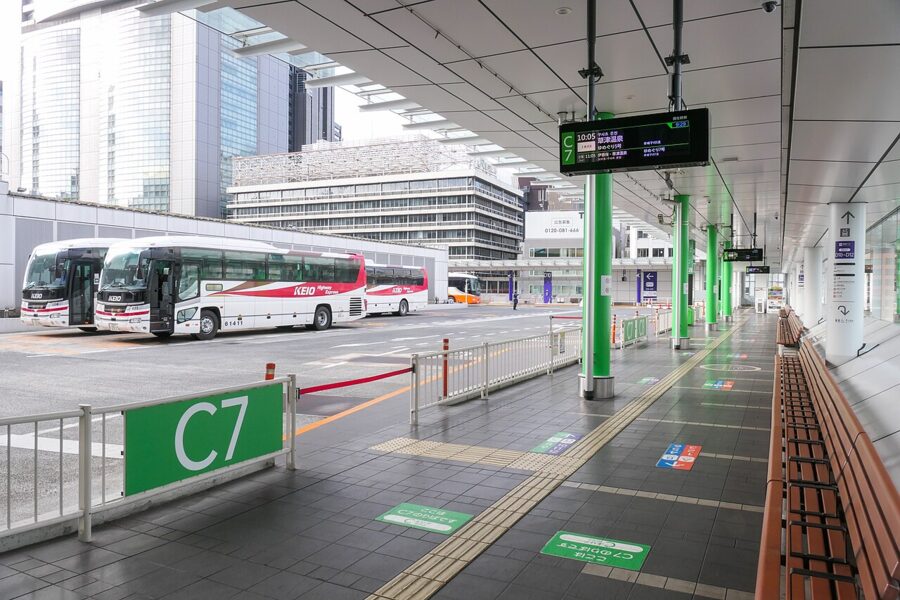

A Nozomi from Tokyo to Kyoto costs ¥14,170 (about US$89) at the ticket window and takes a little over two hours. A night bus on the same run can cost less than half that, takes about eight hours, and spends those hours while you would have been asleep in a hotel you no longer need to book. That trade is the whole case for the highway bus, and on the right route it is a very good one.
Contents9 parts
- When the bus beats the train
- Who runs the buses, and where to book them
- Seat types, and what a night is like
- Booking a Willer bus, step by step
- The bus pass is gone; this is its replacement
- Changes, cancellations and missed buses
- Finding your bus at the terminals
- Luggage
- A worked example: Tokyo to Kyoto overnight
Japan’s kōsoku basu (高速バス, highway buses) link almost every pair of cities worth connecting, and the yakō basu (夜行バス, night buses) among them leave between about 9 p.m. and midnight and arrive between 5 and 7 a.m. There is no single network and no single booking site. JR’s bus companies, Willer Express and dozens of regional firms each sell their own seats, and every fare and rule below is as of November 2026.


When the bus beats the train
The bus wins on price, on the overnight hours, and on places the railway does not reach. It loses on time, and on comfort for anyone tall in a four-across seat. If your budget is generous and you sleep badly sitting up, take the Shinkansen.
On Wednesday, November 25, 2026, the cheapest night bus listed from Tokyo to Kyoto was ¥6,680 (about US$42), and a four-across seat leaving Busta Shinjuku at 9:30 p.m. was ¥9,650 (about US$61). The Nozomi is ¥14,170 at the window, or ¥13,970 (about US$88) on smartEX, as the Shinkansen booking guide explains. Tokyo to Osaka shows the same gap: ¥14,720 (about US$93) on the Shinkansen to Shin-Osaka, against ¥4,200 (about US$26) for that day’s cheapest bus, a day service from Busta Shinjuku to Namba.
The gap is about to widen. JR Central and JR West have announced that Nozomi reserved seats rise by ¥700 (about US$4) between Tokyo and Kyoto or Shin-Osaka for tickets bought from July 1, 2027. Bus fares move with demand instead, so Fridays and holidays cost more than a midweek night.
The night you don’t pay for
A night bus also saves a hotel night, which in Tokyo and Kyoto is where the real money is. The catch is the arrival: most buses reach Kyoto or Osaka between 5 and 7 a.m., hours before any check-in. Book somewhere that holds bags from early morning; the hotel booking guide covers early check-in and bag drops.
Where there is no train
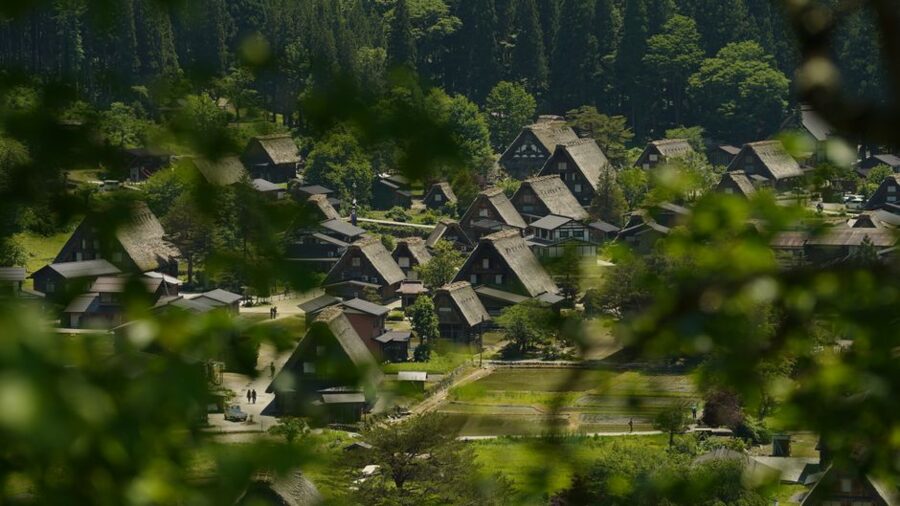
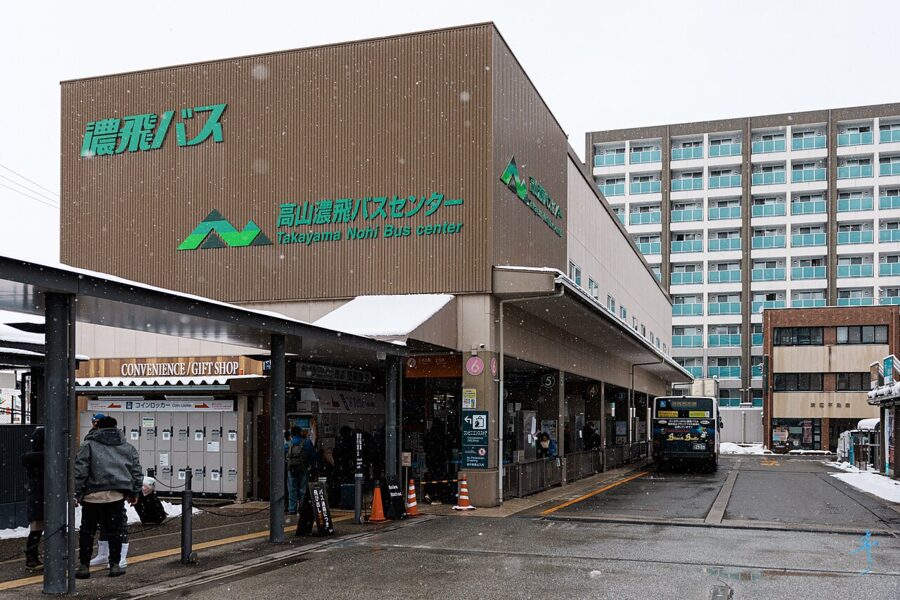
Some of Japan’s best-known places have no station, and the bus is simply the way in. Shirakawa-go is reached by Nohi Bus from Takayama, with 16 round trips a day and some services reservation-only. Its fares and timetable change on December 1, 2026, so check them after that date.
Kusatsu Onsen in Gunma has no station either. JR Bus Kanto’s Joshu Yumeguri buses run there directly from Busta Shinjuku; the 8:05 a.m. arrives at 12:08 p.m.
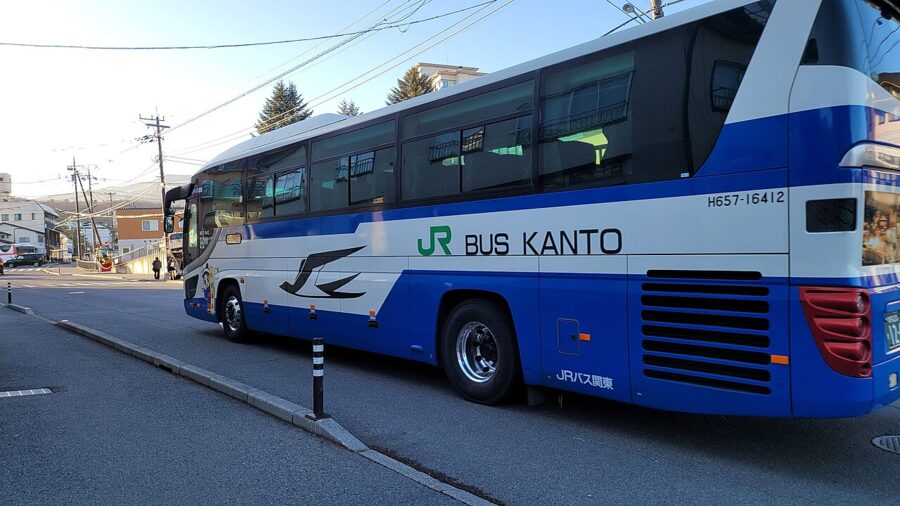
Then there are trips where the train needs a change and the bus does not. Nohi Bus runs Takayama to Shinjuku direct in 5 hours 45 minutes, for ¥8,000 (about US$50) by day and ¥9,000 (about US$57) overnight from Busta Shinjuku, with ¥500 (about US$3) off online.

Who runs the buses, and where to book them
Each company sells its own seats first. A portal may sell them too, but the operator’s site has every fare plan and the cleanest cancellation path.
| Site | Run by | Sells | Worth knowing |
|---|---|---|---|
| Japan Expressway Bus Net | The JR Bus group | JR Bus Kanto, West JR Bus and other JR routes, including the Dream night buses | Sales open a month and a day ahead at 10 a.m.; not open to EEA or UK residents |
| WILLER TRAVEL | Willer | Willer Express and Star Express, nationwide | Easiest English site; cards, WeChat Pay, Alipay+, convenience-store cash |
| Highway Bus.com | Keio Dentetsu Bus | Keio and partners, including Nohi Bus and Nishitetsu | Cards only; no changes after payment |
| Japan Bus Online | KOBO Co. | Many regional operators, including Nohi Bus to Shirakawa-go and Kanazawa | Visa, Mastercard, Amex, JCB, Diners |
| Kosokubus.com | A comparison portal | Smaller night bus companies, sorted by price | Best for finding the cheapest seat on a busy route |
JR’s buses
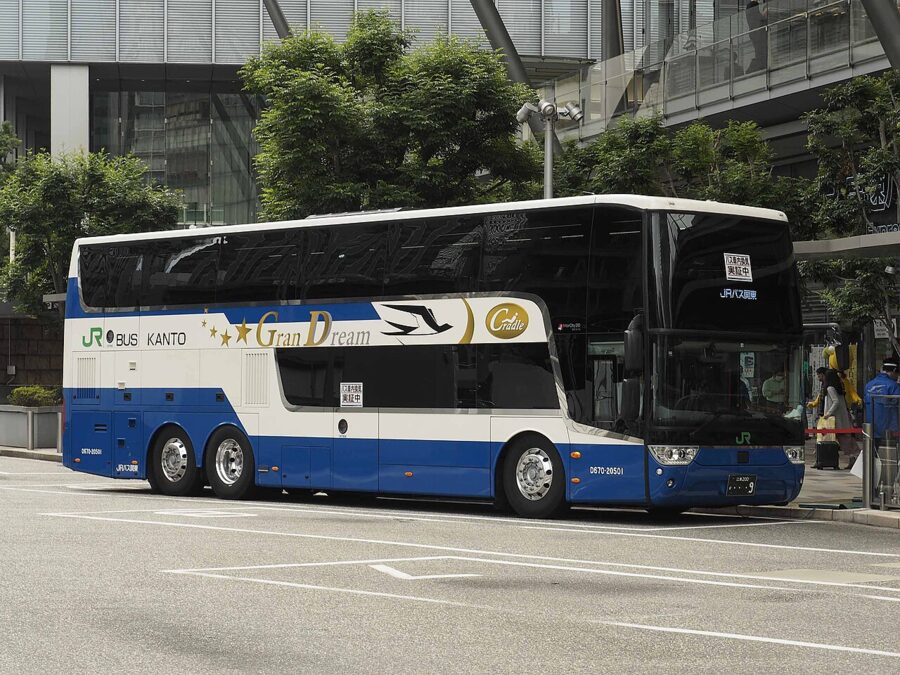
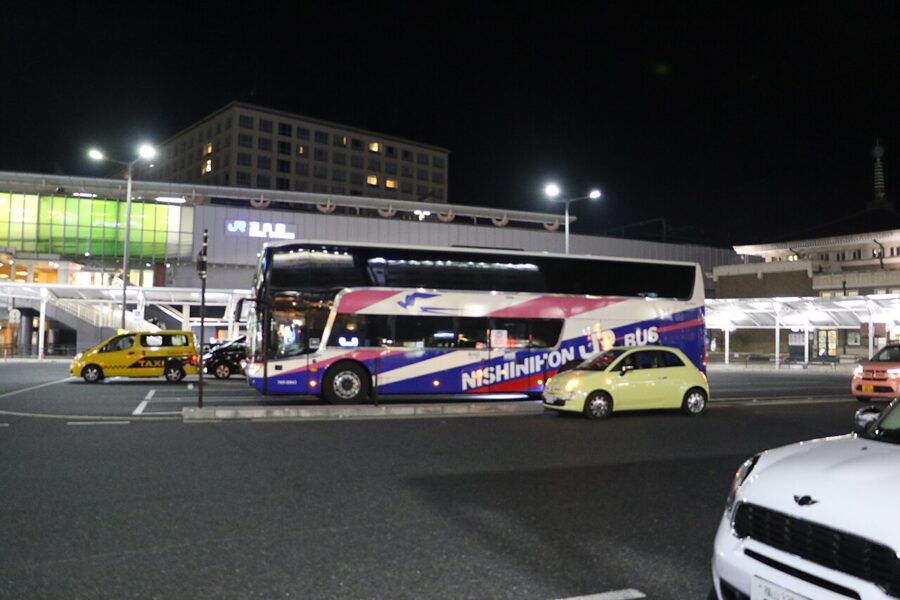
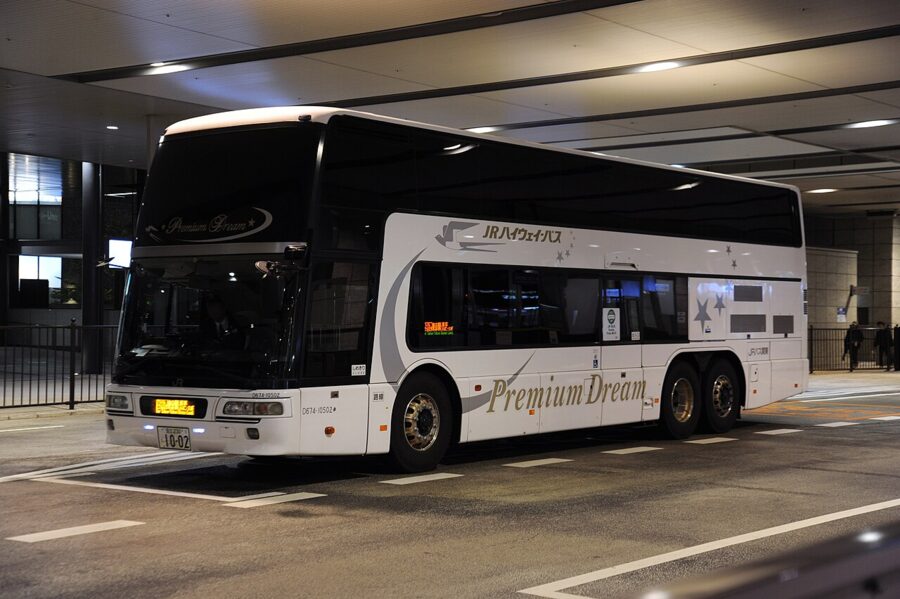
JR Bus Kanto and West JR Bus run the Tokyo to Kyoto and Osaka night service together under two names. Gran Dream has three-across “Grand” seats; Seishun Eco Dream is the cheaper four-across seating on the lower deck of the same double-deckers. You book both on Japan Expressway Bus Net, the site with the most rules.

Willer Express
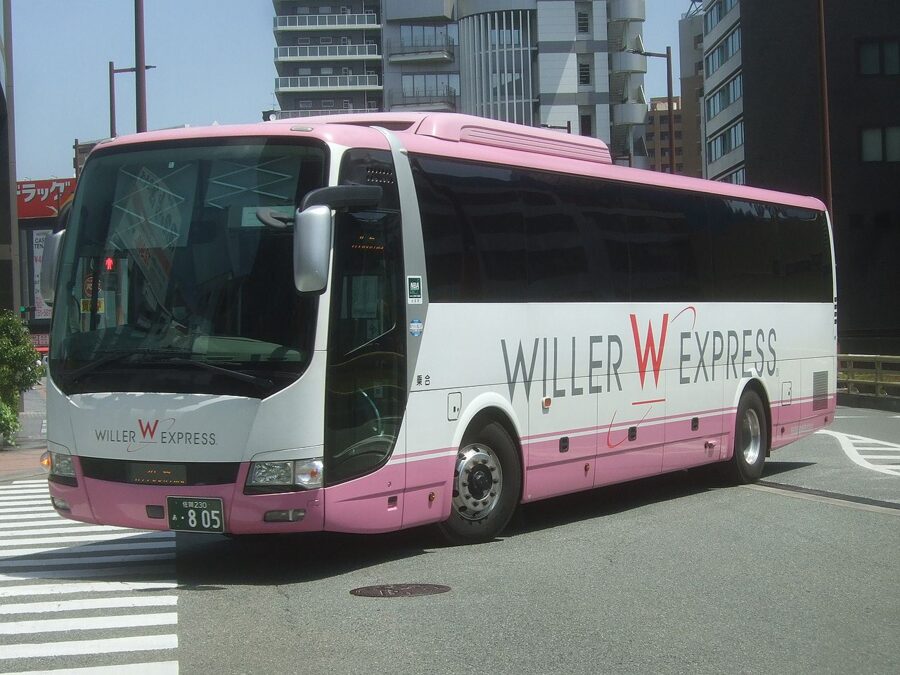
Willer is the company most visitors meet first, because its English booking site is the easiest in the business. It also has the widest spread of seats, from basic four-across to near-flat shells, and fares that move by date and seat, so open the fare calendar before you fix a day.

Nishitetsu and the regional companies
Away from the Tokyo to Osaka corridor, the bus company is usually the local railway or bus group: Nishitetsu in Fukuoka, Nohi Bus in Takayama, Fujikyu around Mount Fuji. Most sell through Highway Bus.com or Japan Bus Online. Nishitetsu opens seats on the same date of the previous month at 8 a.m.
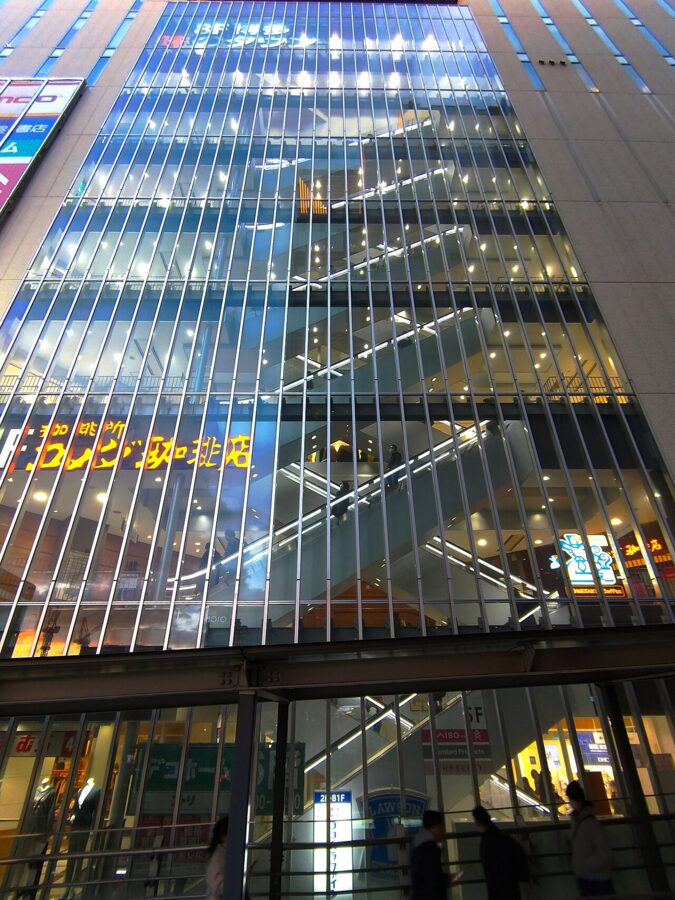

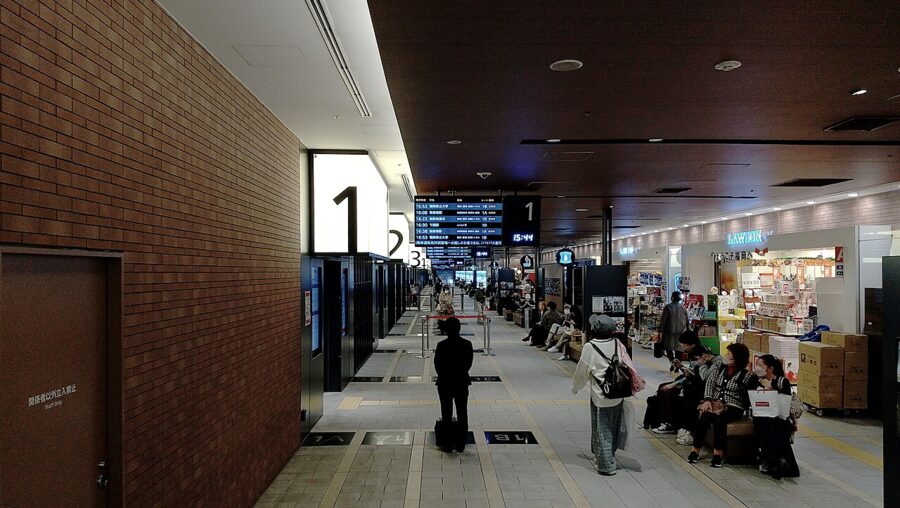
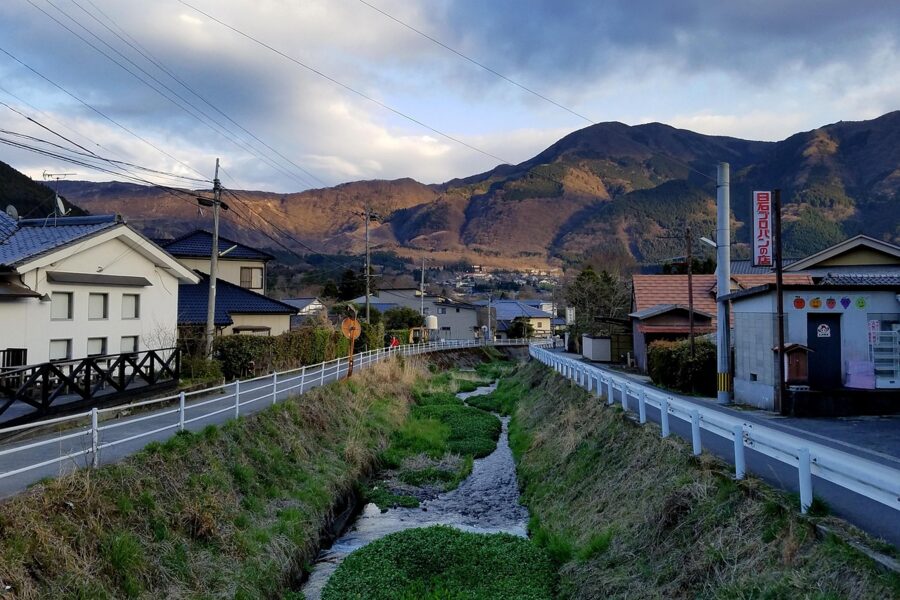
Nishitetsu’s Yufuin bus runs 14 times a day from Tenjin and Hakata, takes about 2 hours 25 minutes, and costs ¥3,250 (about US$20), or ¥2,880 (about US$18) on its web early fare. Every seat is reserved, so book it like a train.

Seat types, and what a night is like
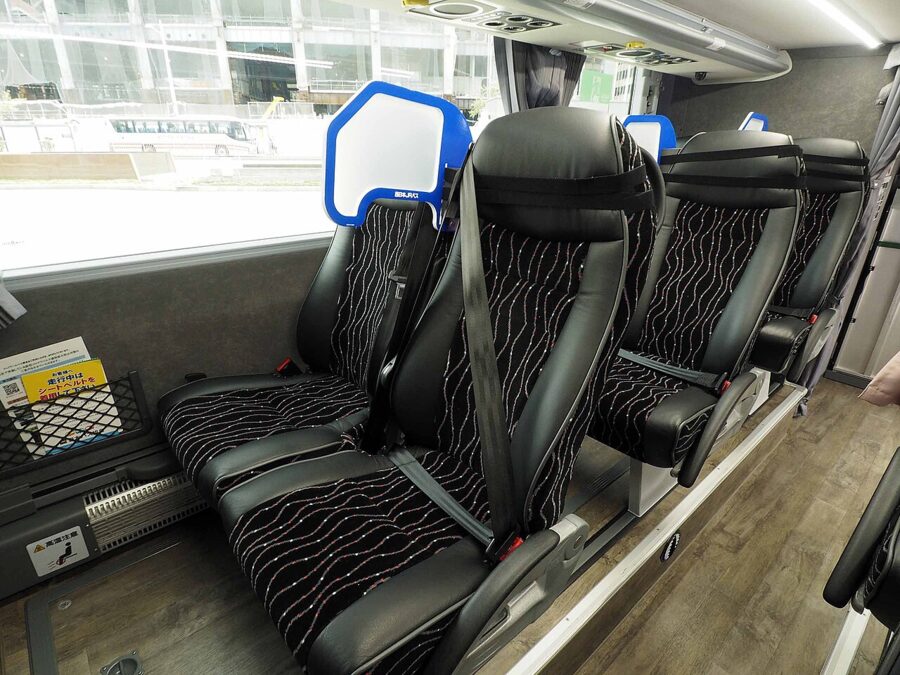
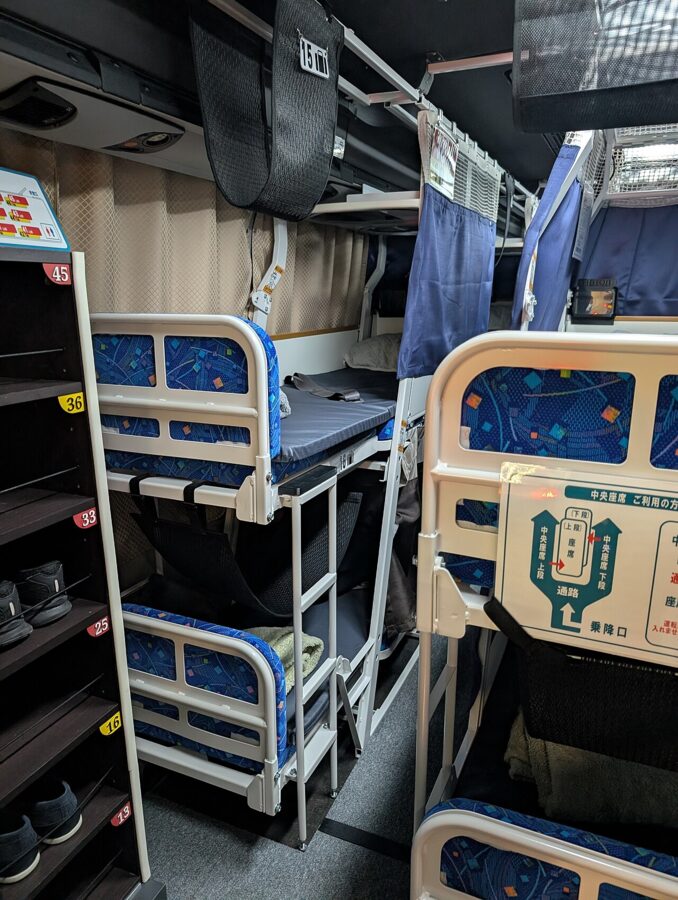
Seat width matters more than the operator. Four across (two plus two) is the cheapest, and you share an armrest with a stranger. Three across (one plus one plus one) puts an aisle on both sides of the middle seat, so nobody sits beside you. Two across and private compartments are the top end.
| Layout | What you get | Examples |
|---|---|---|
| 4 across (2+2) | Cheapest; a neighbor at your elbow | Willer Relax and Prime, JR Seishun Eco Dream |
| 3 across (1+1+1) | No shared armrest, deeper recline, often a curtain | Willer ReBorn, Dome, Luxia; JR Grand seat |
| Flat or private | Lie-flat beds or closed compartments; the highest fares | FLATON from Kochi, Nishitetsu’s Hakata-go premium seats |
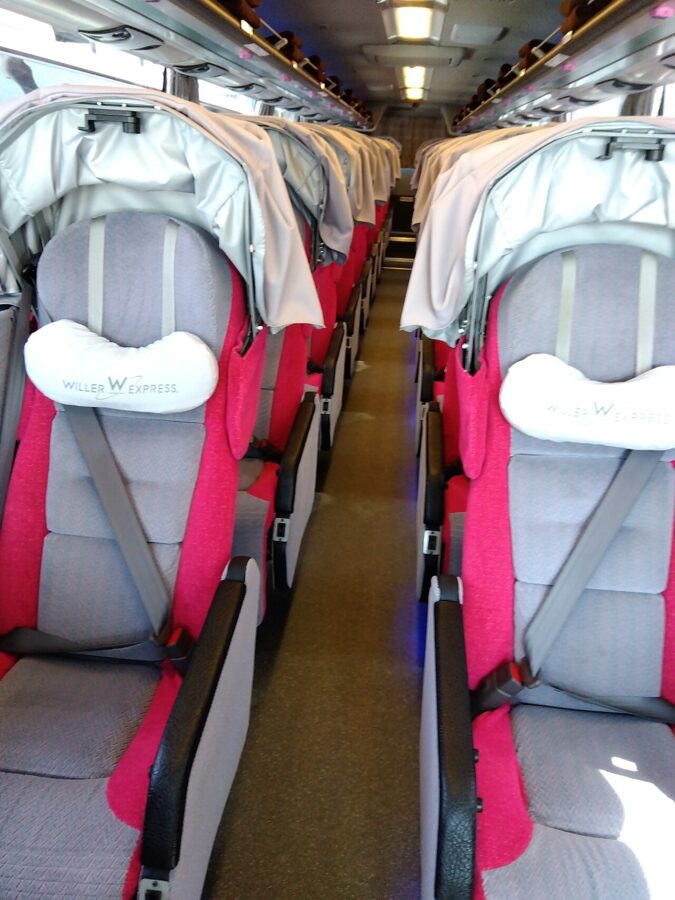

Willer’s seat pages give the details. The four-across Relax seat reclines to about 130 degrees and has a canopy and a calf rest. ReBorn is three across, 18 seats to a bus, with a shell-shaped cover and a near-flat recline. Dome wraps each seat in a shell with a canopy hood, and Luxia hangs curtains between seats.
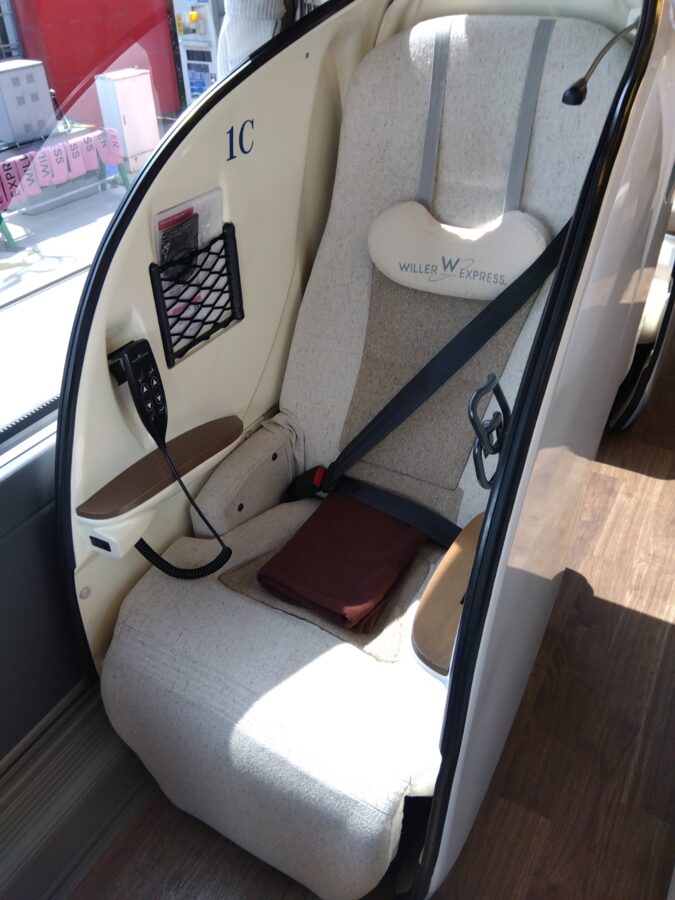

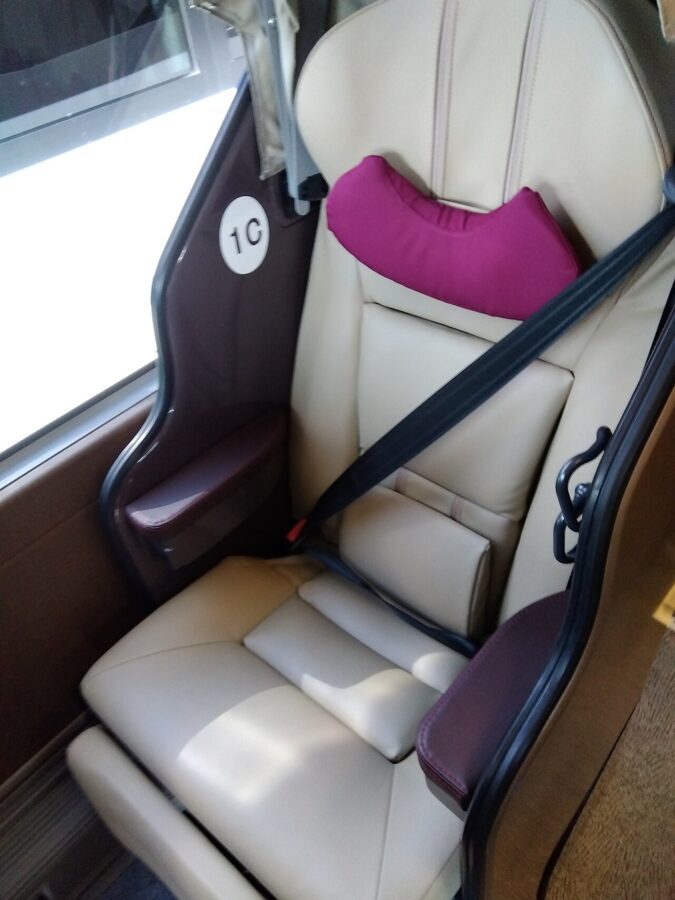

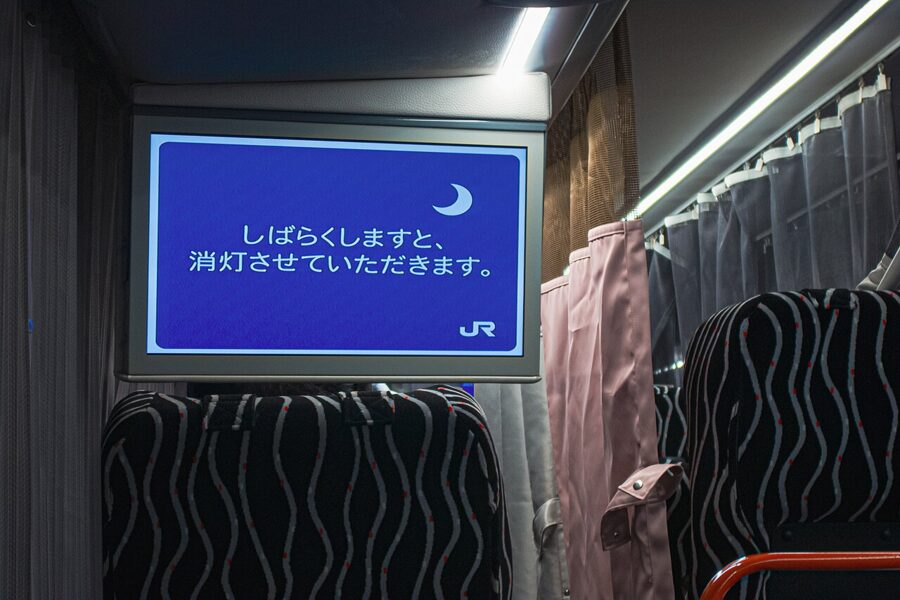
JR’s Grand seats come with a private curtain, a power outlet or USB port, slippers and Wi-Fi. The Seishun Eco Dream seats downstairs have Wi-Fi and power but a neighbor. On anything over six hours, I would pay for the Grand seat.

Who sits next to you
Willer’s search asks how many passengers of each sex are traveling, because it seats strangers next to someone of the same sex. Several companies also sell josei senyō (女性専用, women-only) seats; IBS does on its Tokyo to Osaka night bus. If that matters, filter for it before you compare prices.
The night itself
Willer’s bus etiquette rules sum up every operator’s. Ask the person behind you before you recline, keep your phone on vibrate, avoid smelly or noisy food, and stop using screens once the lights go out. Smoking, electronic devices included, is banned.
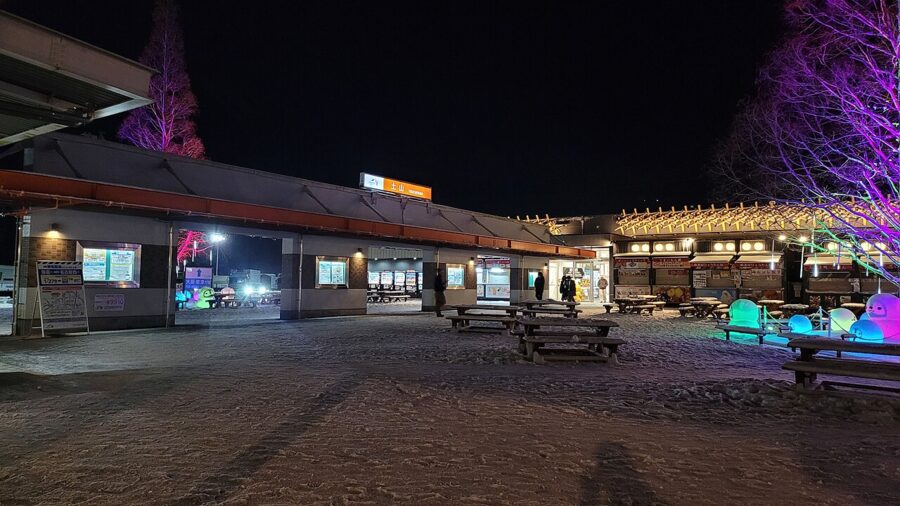
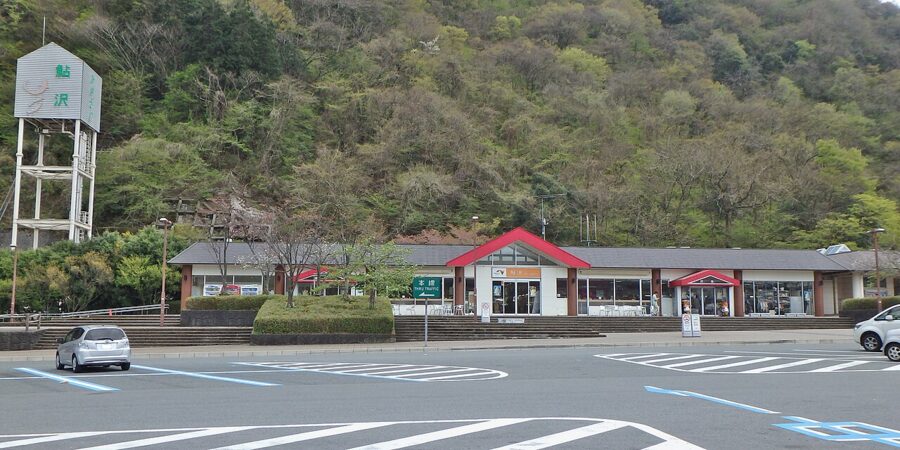
Buses stop at highway service areas and parking areas. JR’s timetable for the Kyoto and Osaka run names Ayuzawa, Tsuchiyama and Konan, and warns that places and times can change with traffic. Note the departure time the driver gives you, because the bus runs to schedule.

Toilets are not standard. Of the ten cheapest Tokyo to Kyoto buses listed for November 25, only Shinki’s Limon Bus, at ¥11,580 (about US$73), showed an onboard restroom. If you need one, use the restroom filter and pay for it.
Booking a Willer bus, step by step
Willer’s English site is the one to learn on, because the others work roughly the same way. Have a credit card, an email address and a phone that can show a QR code.
- Open WILLER TRAVEL, choose one-way or round trip, and enter cities, date and the number of male and female passengers.
- Pick the bus, the seat type and the fare, and press Book.
- Choose your boarding and getting-off stops; a big city often has several.
- Choose a fare plan. Plans marked as changeable after booking are the ones the free change service covers.
- Go to purchase, then log in, register or continue as a guest.
- Enter each passenger’s name, sex and an emergency contact number, then pick seats where the map allows it.
- Pay by Visa, Mastercard, JCB, American Express, WeChat Pay, Alipay+ or convenience-store cash, and note the reservation number.
Your confirmation email carries a QR code, and Willer resends the QR code ticket about two hours before departure. Show it to the driver with the screen brightness up. WeChat Pay and Alipay+ bookings must be paid within 10 minutes and cannot be changed later, so use a card if your plans might move.

Booking a JR bus
JR’s buses go on sale one month and one day ahead at 10 a.m.: a seat for May 1 goes on sale on March 30. Japan Expressway Bus Net needs a free membership, and JR’s booking rules say registration needs a mobile number that receives text messages. Paying online by card takes a further 2 percent off.
Two catches apply to visitors. The English site says it cannot accept bookings from residents of the EEA or the UK, and JR warns that some overseas cards fail at change or cancellation, and that cards without 3D Secure may not work. If either applies, buy at a JR bus counter in Tokyo, Kyoto or Osaka, or book Willer.
Once paid, you show a web ticket on your phone. JR asks you to open it about 30 minutes before boarding.
The bus pass is gone; this is its replacement
The Japan Bus Pass in older guides no longer exists. Willer stopped selling the Japan Bus Pass after September 30, 2025, and each pass lasted two months, so the last have expired.
The pass on sale now is the JBL Pass from the Japan Bus Lines group. The 2026 to 2027 edition sells from October 1, 2026 to August 31, 2027, for departures to September 30, 2027. It comes as a Monday to Thursday pass or an all-days pass, for any 3, 5 or 7 days within a month of purchase.
The rules are tight. It is for visitors on a non-Japanese passport, sold online by card only, and covers up to three buses a day, no more than one of them overnight. Bookings must be canceled by the day before, and blackouts run December 19, 2026 to January 3, 2027, April 29 to May 5, 2027 and August 13 to 16, 2027.
Add up the fares you would actually pay and compare them with the price on the JBL site. One midweek night bus will rarely justify a pass; several long rides in a month might. If you hold a Japan Rail Pass, the bus earns its place only where it saves a hotel night or reaches somewhere the train does not.
Changes, cancellations and missed buses
The rule that catches people is the simplest: a highway bus leaves on time, and a missed bus is a dead ticket. JR and Busta Shinjuku both say so plainly, with no refund and no later bus. Willer lets some bookings move to a later bus, but only if you change them before departure.
Willer
Willer’s bus changing service moves a booking to another bus on the same route, up to one day either side of the original date, with no cancellation fee. It covers Willer Express and Star Express routes of 100 km or more on the basic, peak-day and web discount plans, and you settle any fare difference.
Canceling costs your plan’s fee, shown on the booking page, plus a ¥330 arrangement fee (about US$2) per trip that is never refunded; routes with an adult fare of ¥3,000 (about US$19) or less are exempt. One improvement since January 2026: when Willer marks a bus as running conditionally because of a typhoon or heavy snow, you can cancel free until the cancellation decision, with a full refund.
JR buses
JR prints its refund fees on the Tokyo to Kyoto and Osaka night bus timetable. For bookings made from April 1, 2025:
| When you cancel | Standard one-way | Toku-wari and Chō-toku-wari discount fares |
|---|---|---|
| Up to 12 days before | ¥100 (about US$1) | ¥100 |
| 11 to 9 days before | ¥100 | 20% |
| 8 to 2 days before | 20% | 30% |
| The day before or the day | 30% | 50% |
A standard ticket bought online can be changed online up to three times free, until 10 minutes before your bus leaves. Discount tickets cannot be changed; you refund and buy again.
Finding your bus at the terminals
The big cities have several terminals, and cheaper companies often use a street stop a few minutes from the station. Your booking names the stop, so open its map link the day before. Willer asks you to arrive 15 minutes before departure, and warns that staff at small stops may not speak English.
Busta Shinjuku
Busta Shinjuku, the Shinjuku Expressway Bus Terminal, sits above the south side of Shinjuku Station. Buses leave from the fourth floor and drop passengers on the third. JR’s New South Gate is about two minutes away and open 5:45 a.m. to midnight; outside those hours, the South Exit is about four minutes’ walk.
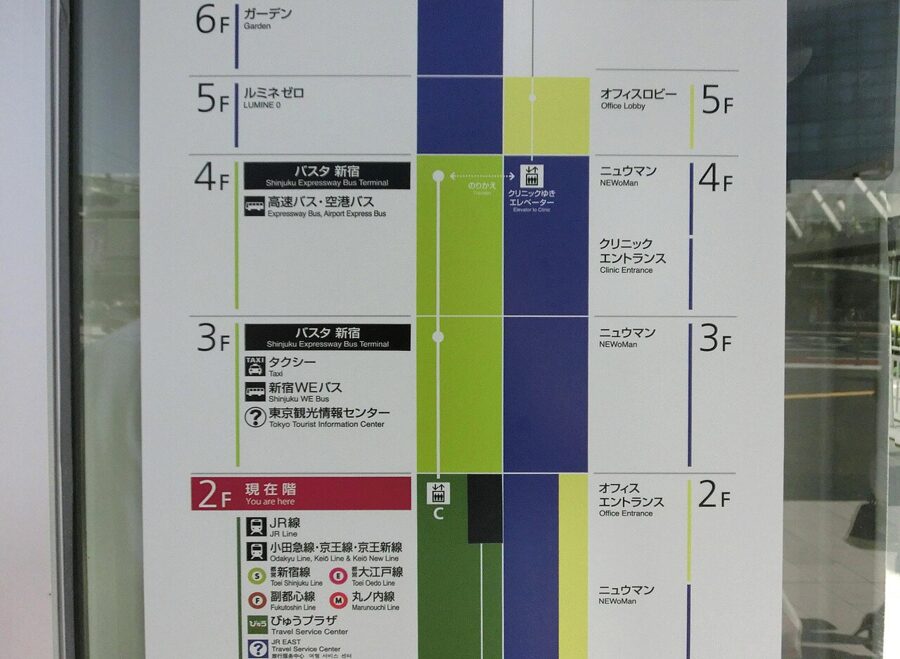

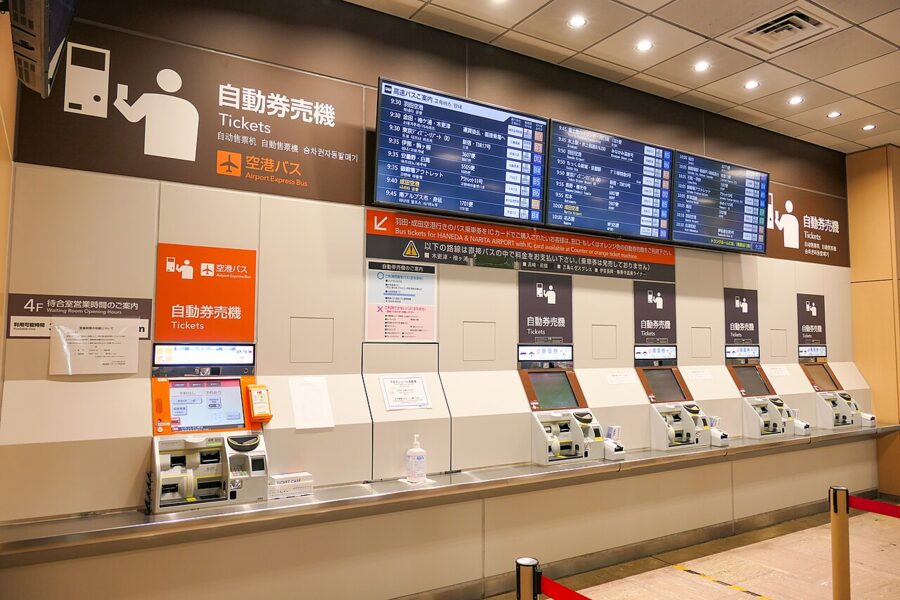
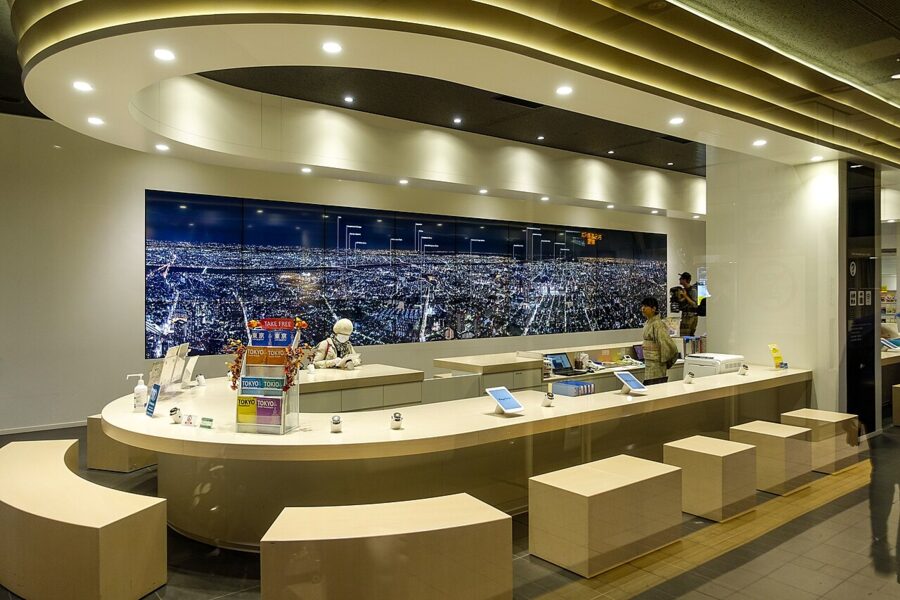
The fourth floor has the waiting room, ticket machines, a staffed ticket office, coin lockers that hold bags for up to 72 hours, and a convenience store. The information counter is open 3:30 a.m. to 1 a.m. and speaks English, and boarding starts about 10 minutes before departure.

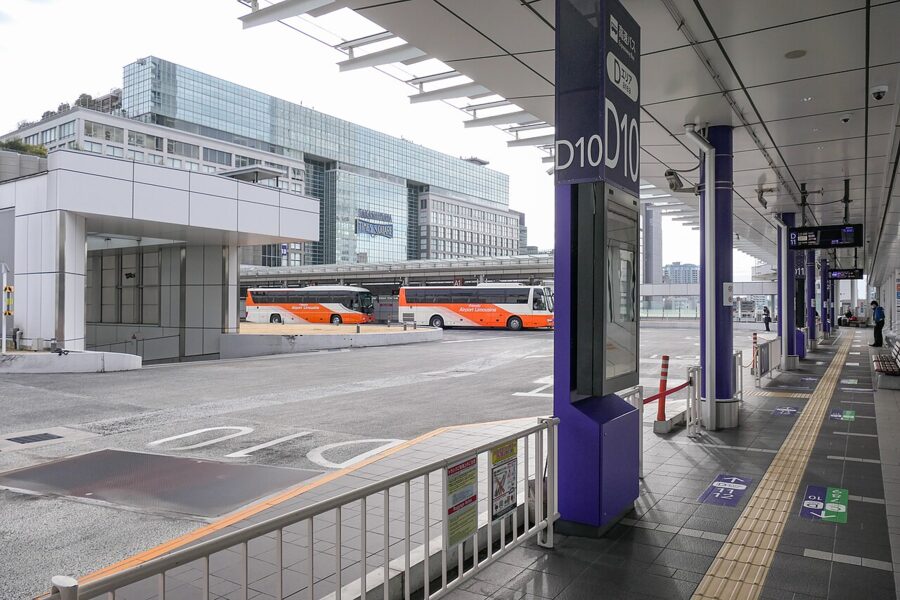
Several buses to Kyoto or Osaka can leave within minutes of each other, so the terminal’s advice is to look for your bus’s name and number on the boards, not the destination, and go to the bay it shows.

Tokyo Station
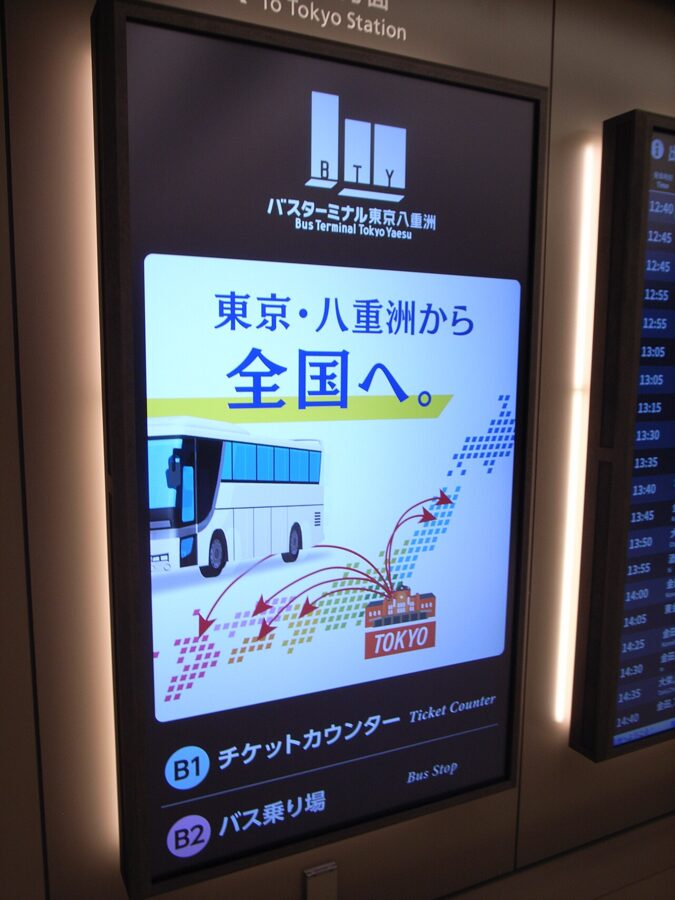
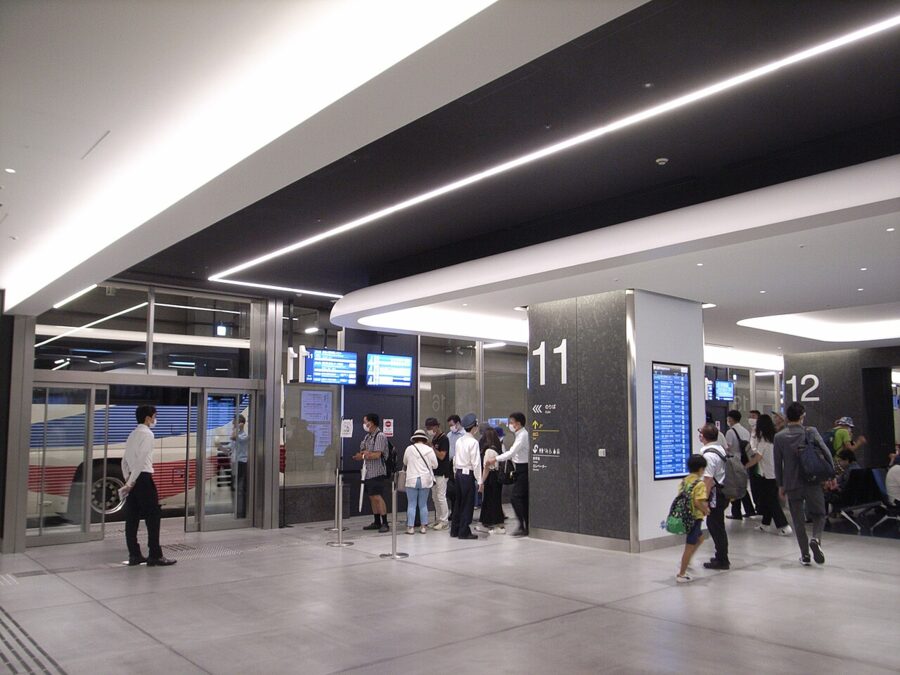
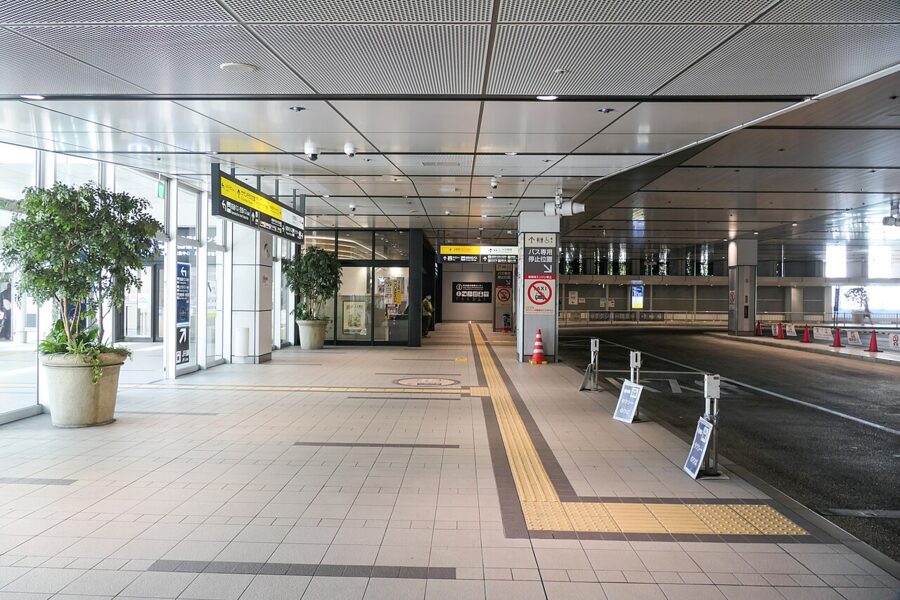
JR’s buses use the Yaesu South Exit stops, outside the Yaesu South ticket gate, where the JR ticket office and lockers open 6 a.m. to midnight. JR warns that the boarding stop can change on the day. Many other companies use Bus Terminal Tokyo Yaesu, an underground terminal with A and B areas; your ticket says which.


Osaka and Kyoto
In Osaka, the JR Highway Bus Terminal is just outside the Central North Exit of Osaka Station, on the ground floor of the North Gate Building, with the ticket center at stop 1. Other companies list stops at Umeda, Namba or Tennoji, which are not the JR terminal.
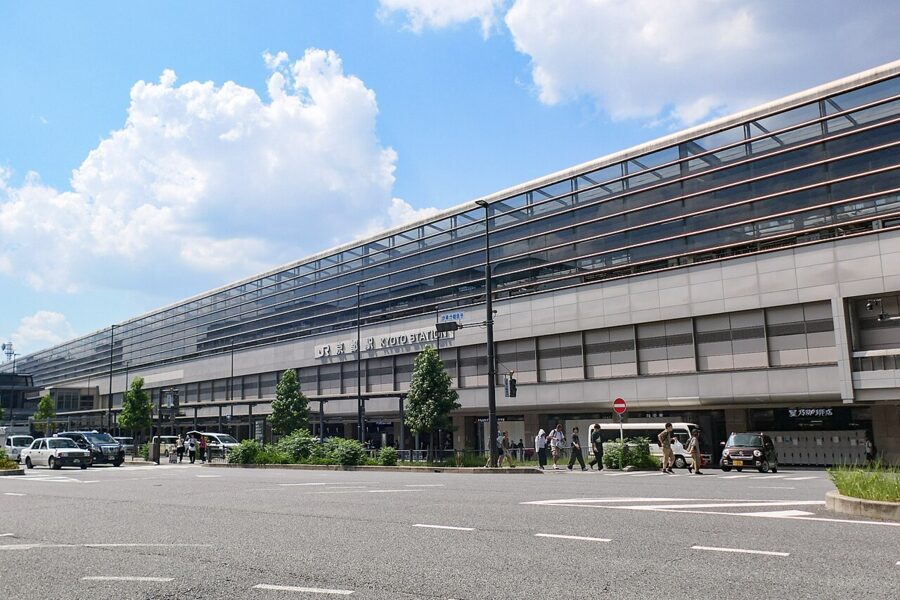
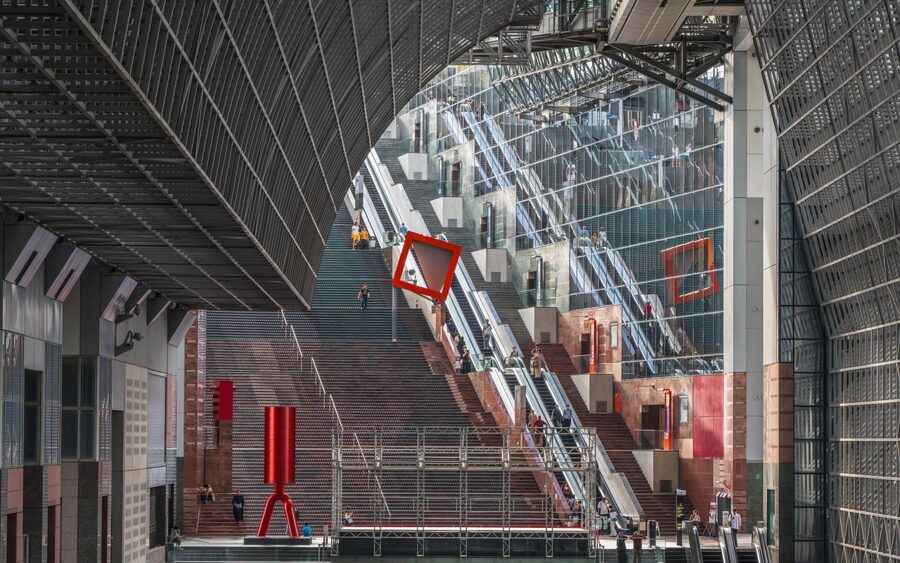
In Kyoto, JR’s buses stop outside the Central Exit on the north (Karasuma) side, about a minute from the gates. Many other companies, Willer among them, use the Hachijo side to the south, where Willer has its own terminal. The two sides are a long walk apart through a very large station.
Luggage
Bus luggage rules are stricter than the train’s, and they vary. Willer’s luggage policy allows two pieces in the trunk: one up to 155 cm in height plus width plus length, or two totaling 240 cm. Carry-on must weigh under 10 kg in all and fit on the rack or under the seat.
Willer’s double-deckers have no trunk at all. Bicycles, folding ones included, and pets are refused. Keep cash, valuables and anything fragile with you.
JR is tighter on paper: one piece per person, within 10 kg and 0.027 cubic meters, with a warning that large bags may be refused for lack of trunk space. Keep power banks at your seat, never in the trunk.

A worked example: Tokyo to Kyoto overnight
Here is a real Wednesday night, November 25, 2026, checked the day before. Bus fares are what the booking sites showed; the Shinkansen fares are regular-season.
| Option | Leaves | Reaches Kyoto | Seat | Fare |
|---|---|---|---|---|
| IBS Access Liner | Tokyo, 9:30 p.m. | 6:10 a.m. | 4 across | ¥6,680 |
| Tokyo Fuji Kotsu Night Liner | Busta Shinjuku, 9:30 p.m. | 5:40 a.m. | 4 across | ¥9,650 |
| Grand Grace bus | Busta Shinjuku, 10:35 p.m. | 6:20 a.m. | 4 across | ¥9,950 (about US$63) |
| Shinki Limon Bus | Tokyo Yaesu B, 11:45 p.m. | 6:20 a.m. | 4 across, toilet | ¥11,580 |
| JR Gran Dream 5 | Tokyo Station 9:50 p.m., Busta 10:30 p.m. | 5:37 a.m. | 3 across Grand seat | Set by date; shown when you search |
| Nozomi | Any time | A little over two hours later | Reserved | ¥14,170, or ¥13,970 on smartEX |
Two people on the cheapest bus pay ¥13,360 (about US$84) together, less than one Nozomi ticket. The Grand seat is the one to weigh against it: no neighbor, a curtain, and still no hotel that night. The middle of the table is a four-across seat at about two-thirds of the train fare, and I would skip it unless the cheap one has sold out.
On Gran Dream 5, it runs like this. Book a Grand seat on Japan Expressway Bus Net at 10 a.m. a month and a day before. On the night, be on Busta’s fourth floor by 10:15 p.m. with the web ticket open, find Gran Dream 5 on the board, and board when the bay opens. You reach Kyoto Station’s Karasuma side at 5:37 a.m., a minute from the gates and the first trains.
For the cheap seat instead, open the Tokyo to Kyoto list on Kosokubus.com a week or two out and sort by price. On much longer runs such as Tokyo to Fukuoka, check the domestic flights guide first. Either way, the trade from the first paragraph only pays if you can use the morning it buys, so choose the seat you can sleep in before you choose the price.