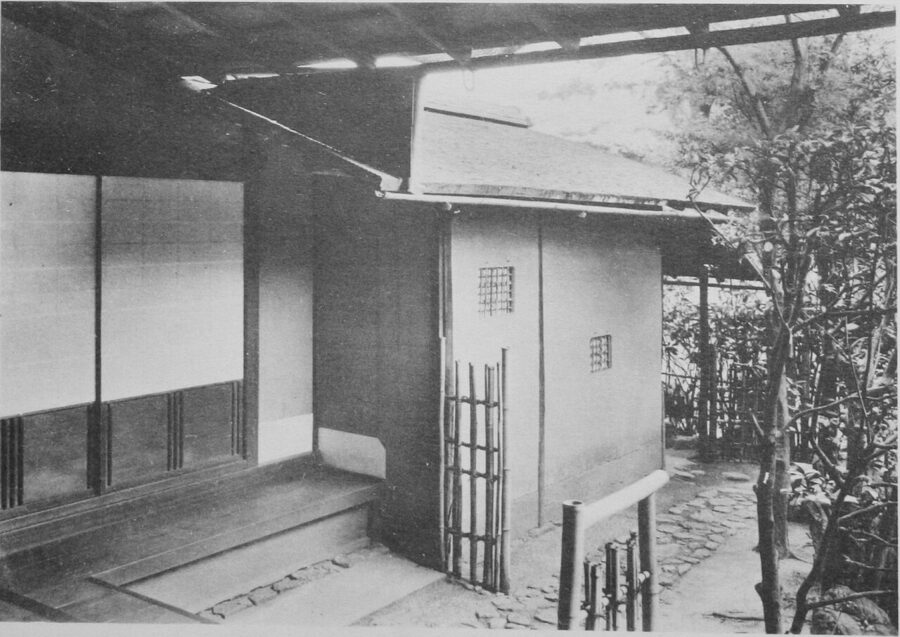
The oldest tea room still standing in Japan is two tatami mats wide, and you need a return postcard to see it. Taian, at the small temple of Myōki-an in Ōyamazaki, halfway between Kyoto and Osaka, is the sort of room that sits behind Japanese Secrets of Graceful Living, a slim book by Boyé Lafayette De Mente whose subtitle makes its whole case: How Planned Beauty and Harmony Can Add to Your Life.
Contents5 parts
The idea is simple and still attractive. In old Japan, the argument runs, beauty was not left to chance; it was designed into the house, the garden, the bath, the meal and the way a gift was handed over, and anyone can borrow the method. I think the book reads better now than when it was new, as long as you treat it as a list of places to go and things to try rather than a portrait of a whole people.
Most of what it praises can still be booked. A ryokan will lay out dinner and then your bedding, a garden walk at Katsura costs ¥1,000 (about US$6) with a reservation, and a Tokyo public bathhouse charges ¥600 (about US$4). The words he leans on are harder, because scholars have spent the sixty years since the first edition untangling them.
Three titles, one small book
The book first appeared in 1963 as Oriental Secrets of Graceful Living, published by Simpson-Doyle and catalogued as printed in Tokyo: 152 pages, with a short bibliography at the back. The Library of Congress shelves it with Japanese civilization and gives it two subjects, Japanese national character and Japanese social life and customs. That pairing tells you what kind of book it is: part etiquette, part design, part sweeping statement about “the Japanese”.
A paperback reprint followed from Wilshire in 1966 (one dealer’s copy runs to 149 pages with black-and-white drawings). In 1982 De Mente brought it out again as Secrets of Graceful Living, 120 pages, from Phoenix Books/Publishers in Phoenix, Arizona, the same house that carried Exotic Japan. By around 2001 it had a third title, Japanese Secrets of Graceful Living, and was being given away free as a PDF.
The change from “Oriental” to “Japanese” is the most telling edit. The 1963 title belongs to a time when one word could cover both Istanbul and Tokyo, and the later one admits that the book was always about Japan. If you want a printed copy, used paperbacks of the 1966 and 1982 printings turn up with booksellers, and the 1963 edition is in Internet Archive’s lending library as a scan you can borrow.
De Mente wrote it early: he had arrived in Japan with the Occupation army in the late 1940s and worked on Tokyo magazines through the 1950s. The habits of the later books are already here, chiefly the confidence that one Japanese word can open a whole culture, the method he took furthest in Japan Unmasked. It is not a longevity book, either. Readers who arrive looking for the eat-until-eighty-percent-full rule or ikigai will find tea rooms and alcoves instead.
Five words for a quiet kind of beauty
De Mente returned to the same vocabulary for the rest of his career. In Elements of Japanese Design (Tuttle, 2006) he presents wabi and sabi as the means to “live a positive, graceful life”, which is this book’s promise in one line. Here is each word as current scholarship and Japanese dictionaries treat it, and how far his gloss holds.
Wabi (侘び)
The Stanford Encyclopedia of Philosophy’s entry on Japanese aesthetics renders wabi as understated beauty, a matter of moderation more than hardship, and traces it through the tea masters Murata Shukō, Takeno Jōō and Sen no Rikyū. What it leaves out is how gloomy the word started. In the eighth-century Man’yōshū the verb wabu meant to despair or pine, and the noun only became a name for an ideal in Edo-period tea writing, above all the Nanpōroku.
Early on, the related phrase wabi-suki simply meant a tea lover too poor to own famous utensils. That history makes wabi a way of finding enough in too little, which is something anyone can practice.
Sabi (寂び)
Sabi comes from sabu, to grow old or desolate, the same root as the word for rust. The Kotobank dictionaries credit the poet Fujiwara no Shunzei with first using it as praise, judging poems at court competitions in the twelfth century; Bashō’s school later made it a central ideal of haiku.
Wabi and sabi are two words with two histories. Japanese sources note that they are run together as “wabi-sabi” mostly in modern speech, and the pairing traveled abroad largely through Okakura Kakuzō’s The Book of Tea (1906), written in English, with its talk of reverence for the imperfect. When De Mente’s later book bundles them into one route to a graceful life, it is repeating the export version.
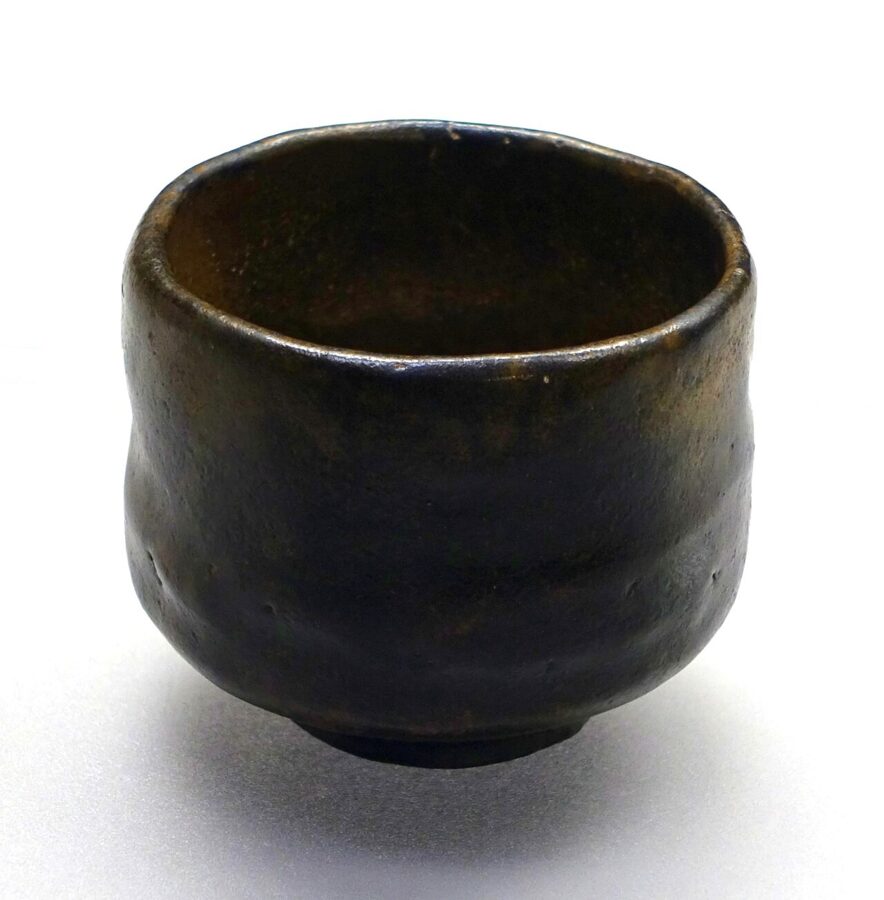
Shibui (渋い)
Shibui is first a taste: the dry pucker of an unripe persimmon. Its use for a restrained, deep kind of beauty is recorded from the Edo period (the Nihon Kokugo Daijiten cites a comic verse of 1833), and in everyday Japanese it still also means stingy or sour-faced. In Elements of Japanese Design De Mente calls it “astringent, simple, and unaffected”, which is fair.
Timing matters here. In August 1960 the American magazine House Beautiful gave a whole issue to shibui, and the papers of its editor Elizabeth Gordon show a September issue applying it to American goods. The 1963 first edition reached American readers who had just met the word over the coffee table.
Yūgen (幽玄)
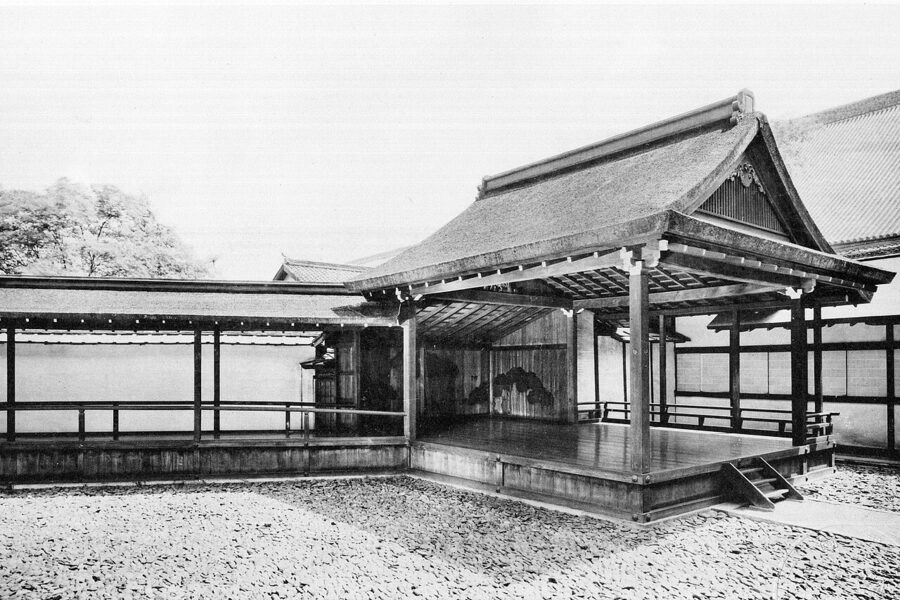
Yūgen started in Chinese Buddhist texts as a word for what is too deep to fathom. Japanese court poets of the twelfth and thirteenth centuries turned it into an ideal of suggestion, the feeling a poem leaves beyond its words, and the Noh playwright Zeami made it the highest principle of his art. The Stanford entry is careful to locate that depth in this world, imagined more fully, rather than in some realm behind it.
This is the word popular books stretch furthest, toward vague mystery. Read Zeami instead, or better, sit through an hour of Noh, where yūgen means a slow, exact grace you can actually watch.
Ma (間)
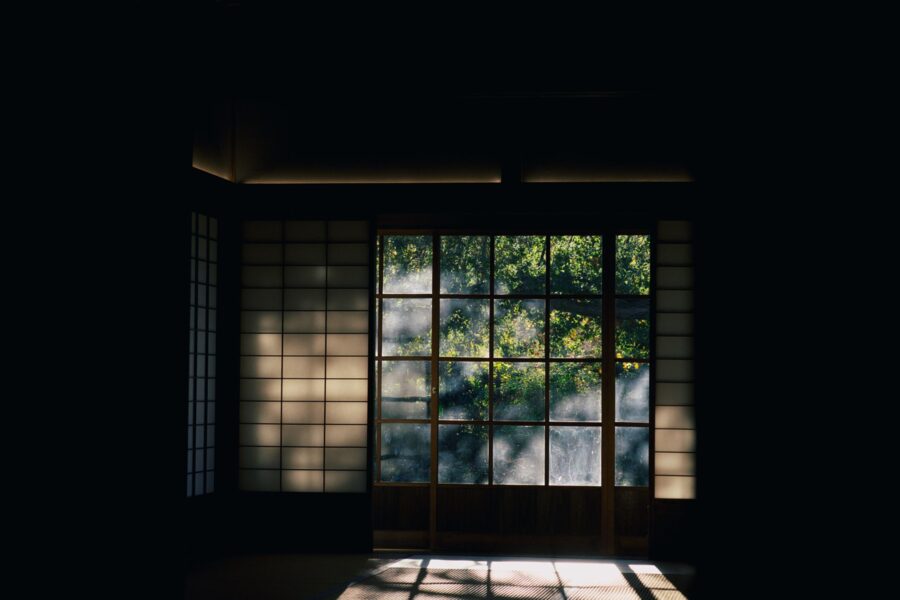
Ma is the most practical of the five. The dictionaries give it as the space between things, a room, the distance between two pillars, the pause in a conversation, and in music, dance and theater the interval between beats or lines. To take ma is to judge a pause well; to miss it is to be clumsy.
Popular books turn ma into a philosophy of emptiness. The everyday meanings are more useful for a visitor: watch how a ryokan room is left mostly bare, and how a server waits a beat before setting down the next dish.
The rooms of a graceful life, then and now
The alcove at the heart of the house
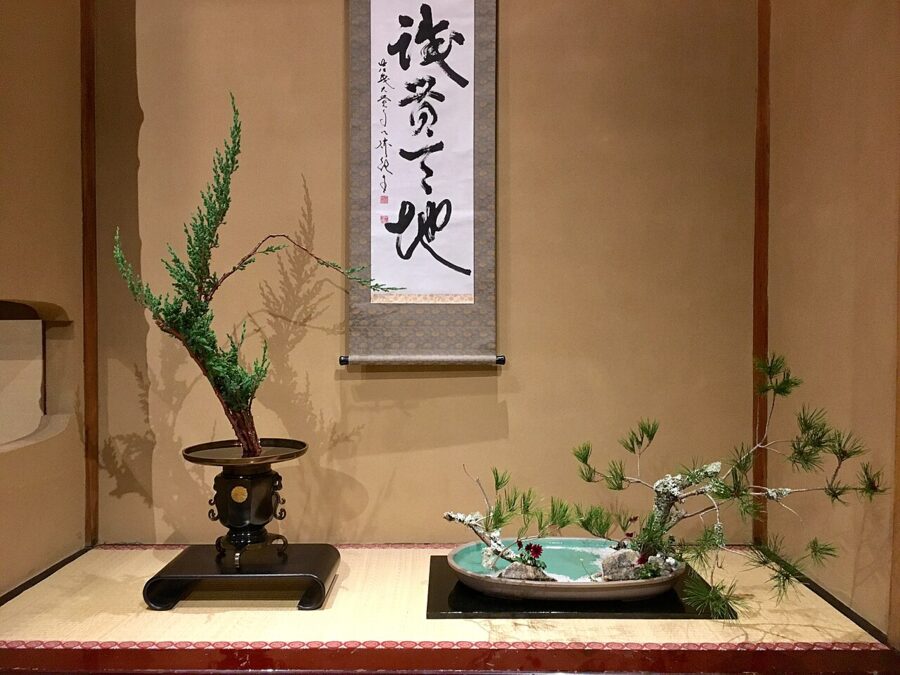
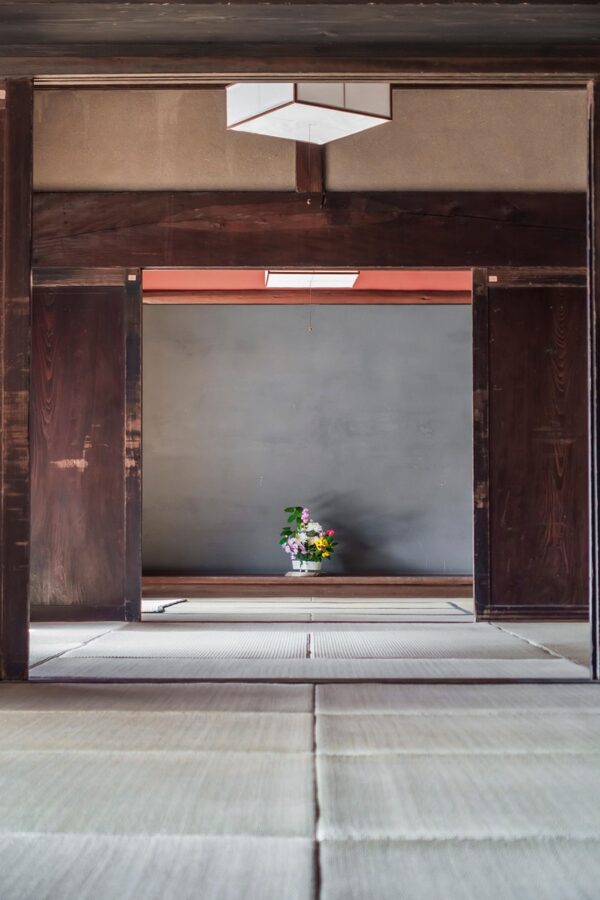
The tokonoma (床の間), the raised alcove for a hanging scroll and flowers, is where the book’s idea of planned beauty is most concrete. It grew out of medieval display shelves in the shoin rooms of the warrior and court elite, and the encyclopedic dictionaries add something the graceful-living picture leaves out: in the Edo period, commoners were forbidden to build one. Only from the mid-eighteenth century did ordinary houses widely add tea-style alcoves.
After the war, the same alcove was attacked as a symbol of a feudal household and a waste of floor space, and many new homes dropped it. So the tokonoma was never every family’s heritage. It is still a fine thing to sit in front of, which you can do in most ryokan rooms.
A garden made for walking
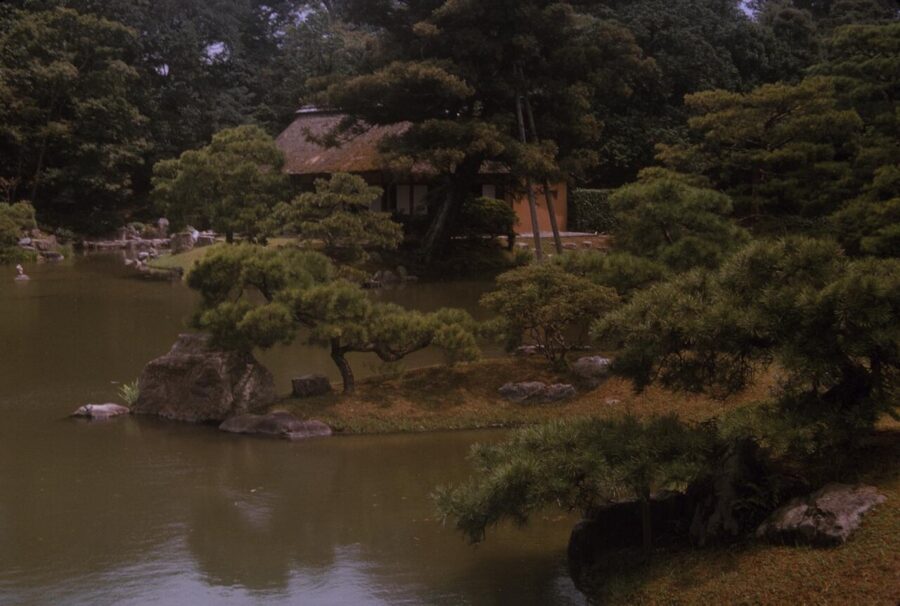
Katsura Imperial Villa, on the west bank of the Katsura River in Kyoto, is the garden that best fits the book. It was laid out by two princes of the Hachijō house, Toshihito and his son Toshitada, in stages from about 1615 to the 1660s. Its pond has five islands, and its tea pavilions (Shōkintei, Shōkatei, Shōiken and Geppa-rō) are placed so that each turn of the path frames a new view.
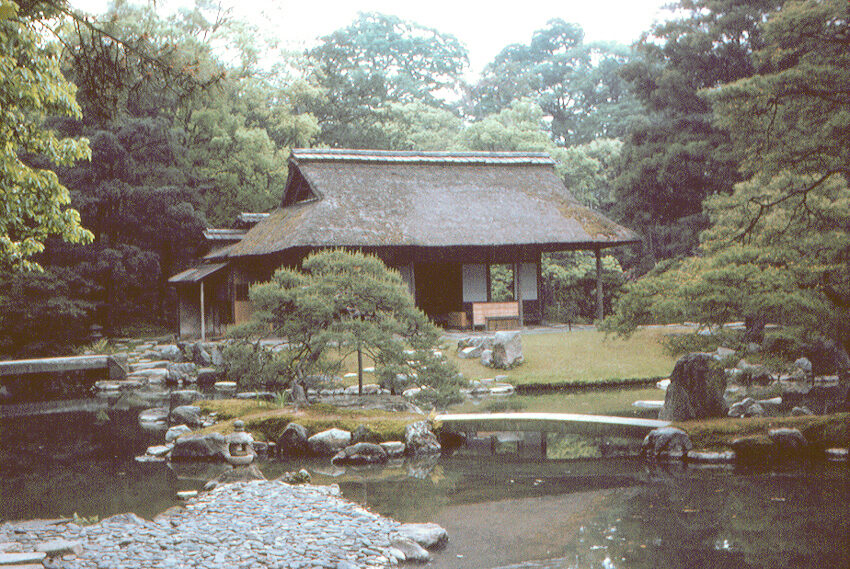

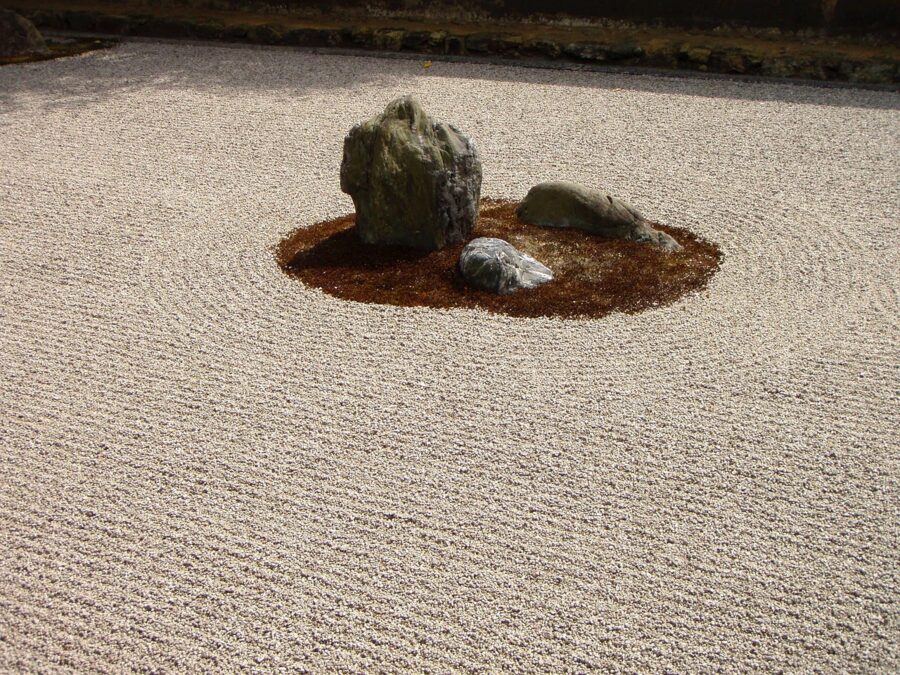
The German architect Bruno Taut, who saw it in 1933, did more than anyone to make Katsura famous abroad for its simplicity. It was in fact a princely retreat for moon-viewing, boating and parties. The dry rock gardens of Zen temples such as Ryōan-ji are the opposite pole: cut off from their surroundings, meant to be looked at from a veranda rather than walked through.
The bath
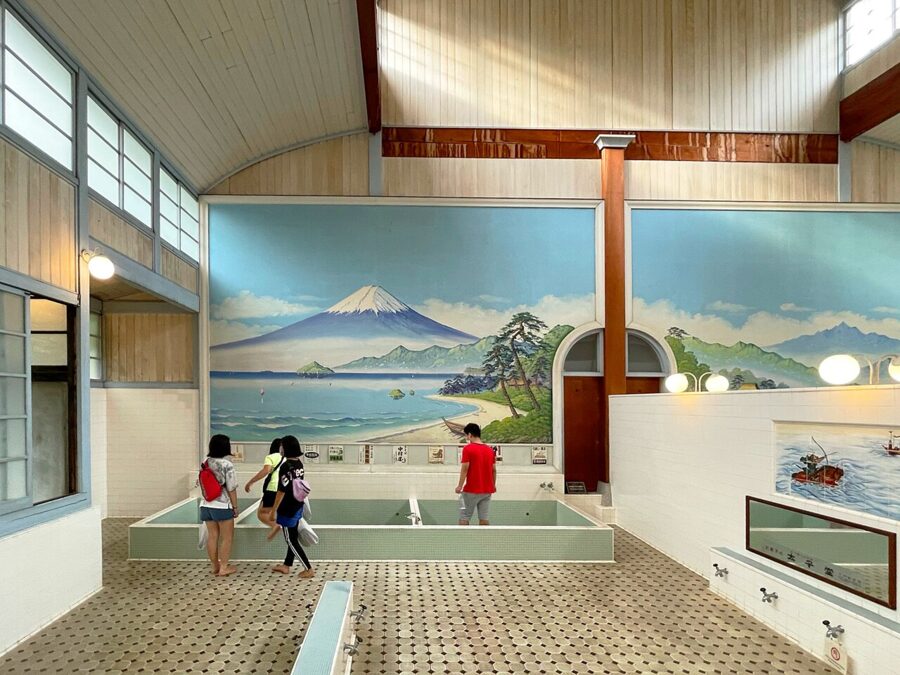
Of all the book’s pleasures, the hot bath is the one that has never been confined to an elite. Tokyo still has neighborhood sentō (銭湯, public bathhouses) whose fees are set by the metropolitan government. The rules are the same everywhere: wash and rinse at a seated shower before you get in, keep your small towel out of the water, and check the policy on tattoos before you go.
Two mats of tea
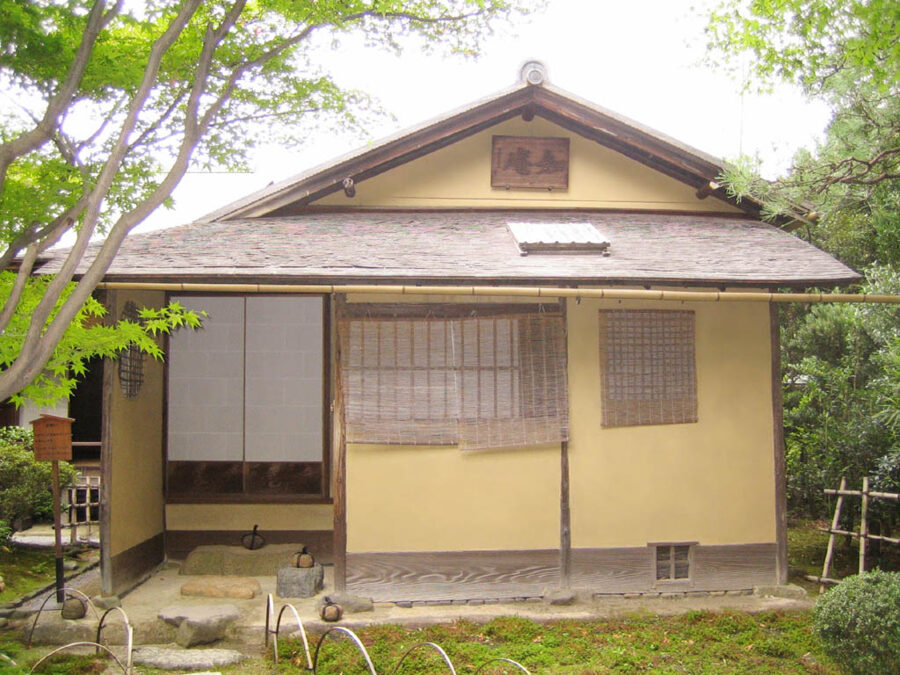
Myōki-an’s own account of Taian says Toyotomi Hideyoshi had Rikyū build a two-mat tea room at his camp in Yamazaki, and that it was later moved to the temple, though other versions have it built on this spot from the start. It is the oldest surviving tea room, a National Treasure, and the first known to have a nijiriguchi, the low crawl-in door that makes a warlord bow like everyone else. Its walls are earth with the straw showing, its posts are rough cedar, and the alcove is plastered right round so the corners disappear.
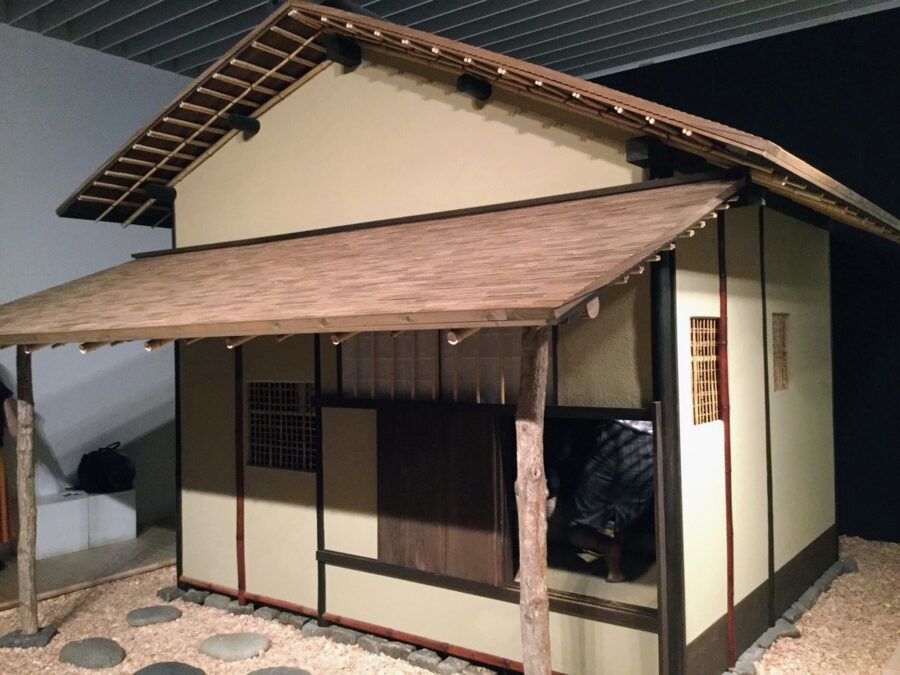
Here the idea of grace turns out to be a political tool as much as a style. The man who built Taian for Hideyoshi was ordered to kill himself in 1591. Rikyū’s austere tea was beautiful and hard-won, and it was served to the most powerful men in the country.
Kaiseki, two ways
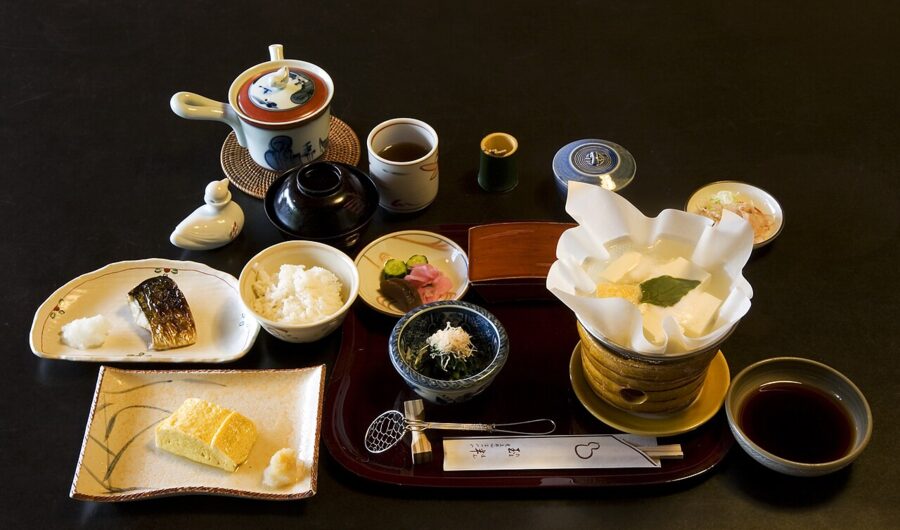
Two different words are both read kaiseki, and the difference is worth knowing before you book. 懐石 is the light meal served before the tea at a formal gathering, named after the warmed stone Zen monks held inside their robes to quiet hunger; its basic shape is one soup and three side dishes. 会席 is banquet cooking, usually traced to the food served at Edo-period poetry gatherings and now the multi-course dinner of restaurants and ryokan.
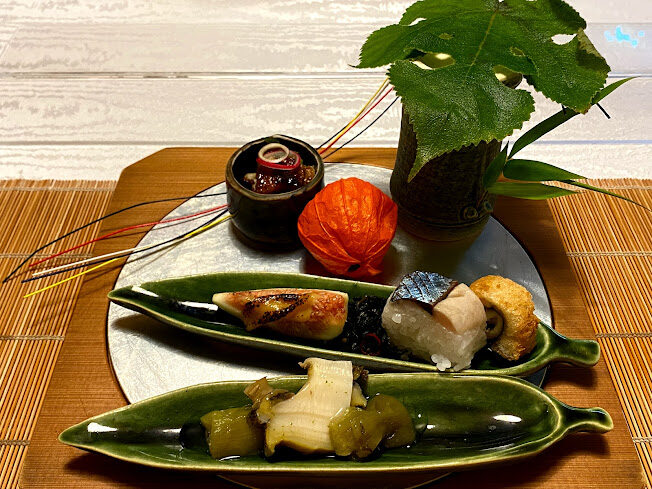
Both share the habits the book admires: hot food served hot and cold food cold, dishes matched to the month, and the season shown on the plate. A July meal may carry Tanabata decorations; an autumn one, a maple leaf. Most ryokan dinners are the banquet kind, whatever the menu calls them.
Flowers, and the art of handing things over
The Ikenobō school of ikebana has its headquarters beside the hexagonal temple of Rokkakudō in central Kyoto. In a tokonoma, flowers are placed with the scroll and the season in mind, which is the “planned beauty” of the subtitle at its most literal.
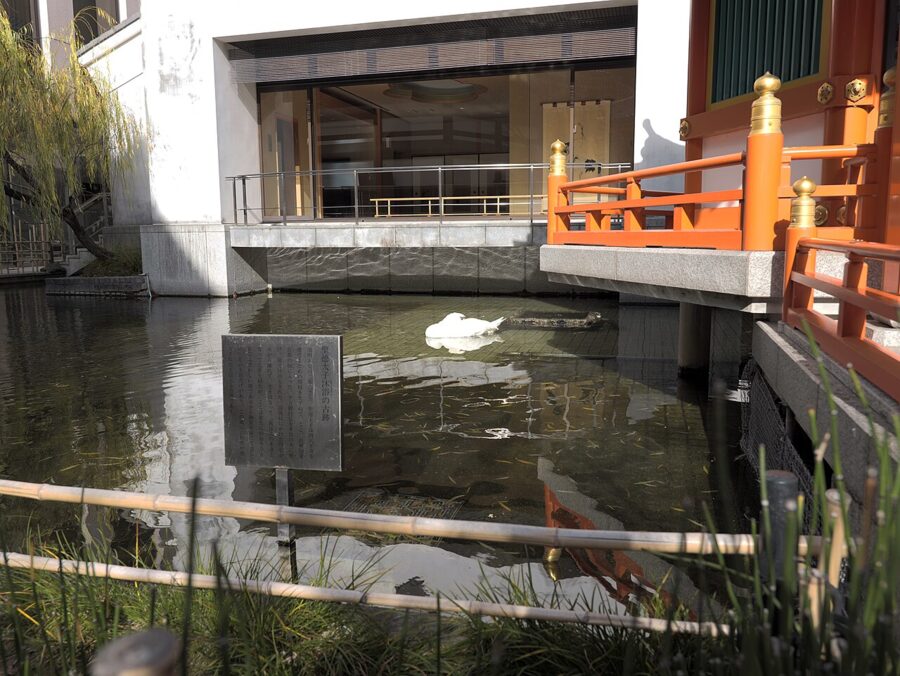

The arts of presentation have state support too. Since a 1954 revision of the cultural properties law, Japan has named holders of Important Intangible Cultural Properties, the so-called Living National Treasures, in crafts such as ceramics, lacquer, textiles and papermaking as well as the performing arts. No more than 116 can be living at once, and each receives at least ¥2 million (about US$12,600) a year to train successors and show their work.
Where the book polishes old Japan, and where it is fair
The weakest thing in the book is the word “secrets”. Nothing here was hidden; most of it was expensive. Katsura was built for princes, Taian for a warlord, and the alcove at the center of the graceful house was off-limits to most families for a century and a half. A book that presents all this as the way “the Japanese” lived gives the elite’s best rooms to everyone.
The second weakness is the words themselves. Wabi began in misery and sabi in decay, and the neat pair “wabi-sabi” owes a great deal to Okakura’s English. Shibui reached De Mente’s American readers through a decorating magazine. None of this makes the ideas false, but it makes them younger and more traveled than “old Japan” suggests.
Where the book is fair is in its practical claim: these habits can be learned. Japanese people learn them from teachers too, and many of those teachers take visitors. The attention to season, to an empty space left alone, to how a dish or a gift is set down, is real and easy to see on a trip.
Living it for a few days
If you are going between Tokyo and Kyoto, the Shinkansen tickets are the first booking; everything below fits around them.
A night in a ryokan
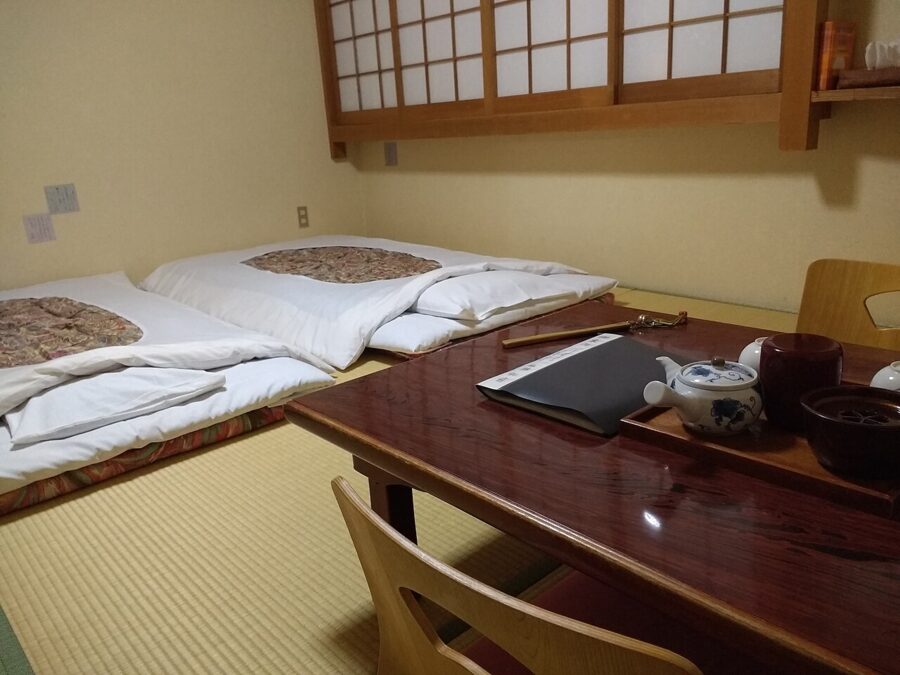
Choosing a ryokan plan is mostly choosing a dinner. Book the inn directly where you can, pick the plan with dinner and breakfast, and give a check-in time early enough to bathe before the meal. Staff will clear the table afterward and lay out your futon; JNTO’s ryokan guide covers slippers, yukata and the rest.
In Kyoto, budget for the city’s accommodation tax, which rose on March 1, 2026. It is charged per person per night on the room price excluding meals: ¥4,000 (about US$25) when that price is ¥50,000 (about US$314) or more but under ¥100,000 (about US$629), and ¥10,000 (about US$63) above that. For cheaper rooms the tax is lower; check the band with the inn when you book.

A bowl of tea in Tokyo, and a postcard to Taian
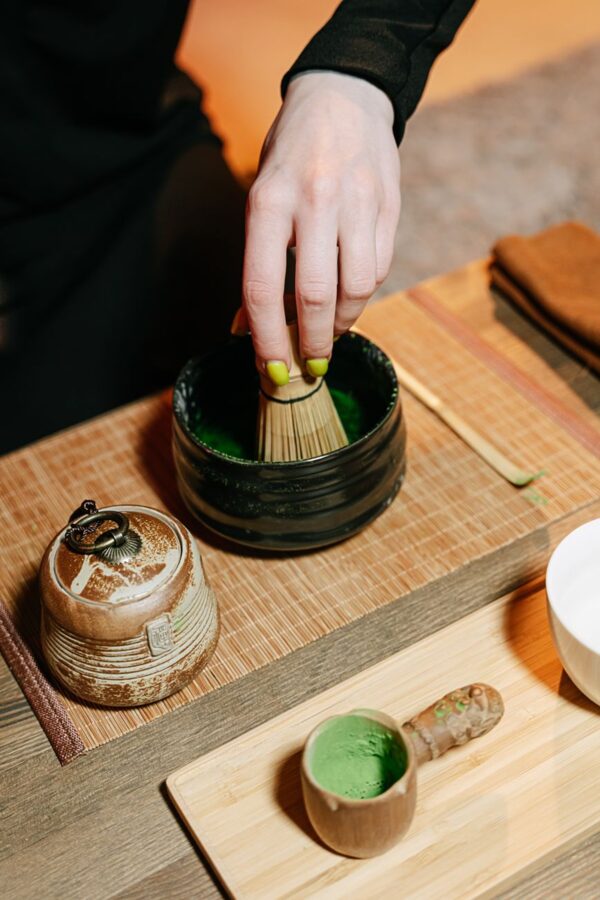
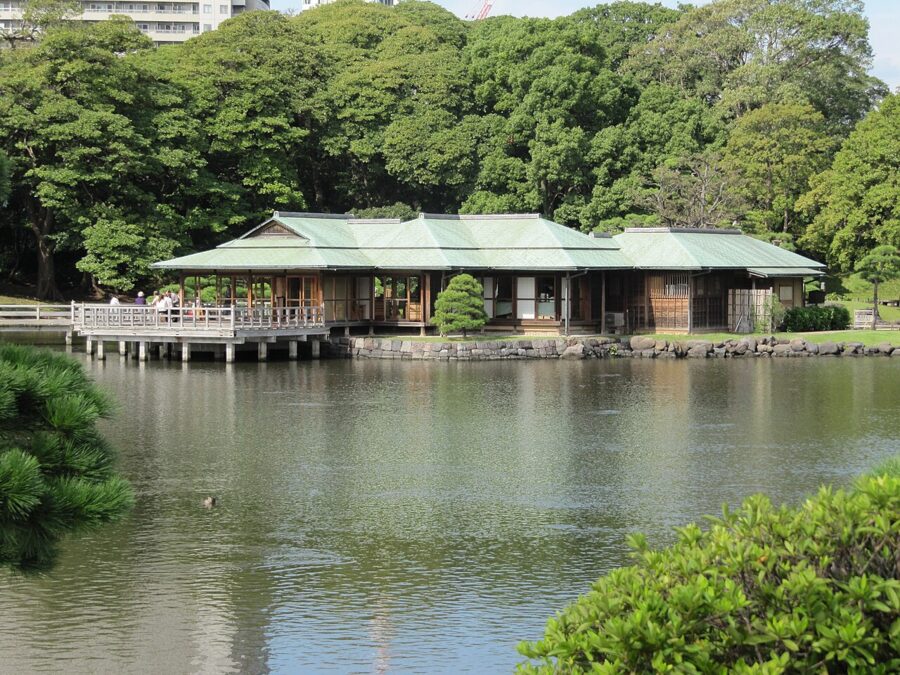
The easiest tea room in Tokyo needs no booking. Nakajima-no-ochaya stands on an island in the tidal pond of Hama-rikyū Gardens, a shogunal garden first laid out in 1654; the teahouse was first built in 1704 and renovated in 1983.
As of November 2026 the garden opens 9 a.m. to 5 p.m. (last entry 4:30 p.m.), entry is ¥300 (about US$2), and matcha with a sweet is served at the teahouse for a separate charge.
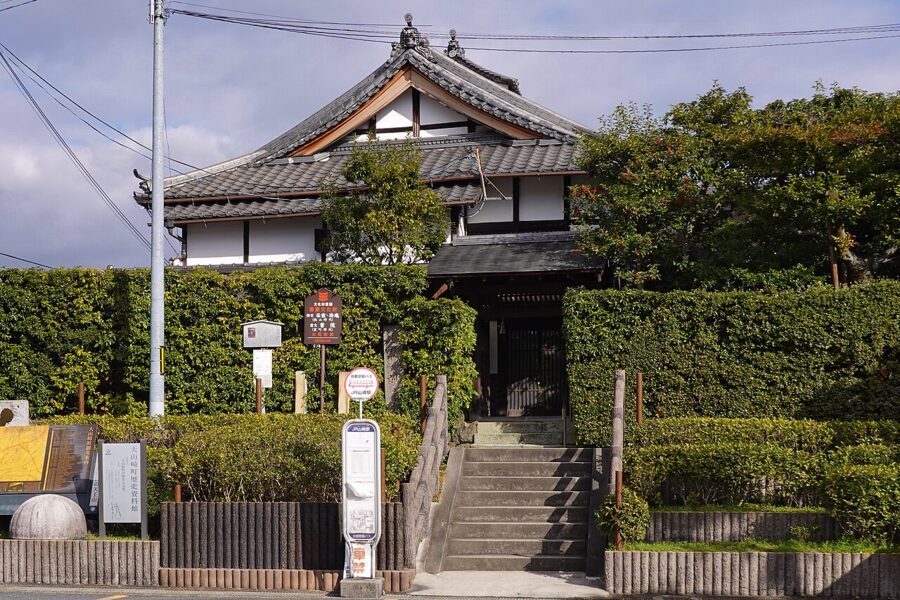
Taian takes more planning. According to Myōki-an’s own rules, you apply by return postcard (ōfuku hagaki), giving up to three preferred Sundays; visits are on Sunday mornings only, at times the temple assigns, for up to five people per application. The fee is ¥1,000 per person, high-school students and younger are not admitted, and photography is banned inside the grounds.

Katsura by appointment
Katsura can only be seen on a guided tour of the garden (not the building interiors), about an hour on a 1 km path of stone bridges and steps. These are the Imperial Household Agency’s rules as of November 2026:
- Pick a date. The villa is closed on Mondays (Tuesday if Monday is a holiday) and from December 28 to January 4.
- Apply online from 5:00 a.m. Japan time on the first day of the month, three months before your visit; for a November 10 visit, that means August 1. Applications close three days before the date.
- Enter name, age and nationality for everyone (up to three companions), plus a phone number and email for yourself. Visitors must be 12 or older.
- Wait for the lottery result by email, within three working days if the slot was oversubscribed.
- Bring your passport. Adults 18 and over pay ¥1,000 on the day; ages 12 to 17 are free.
English-language tours for foreign visitors run at 9:20 and 11:20 a.m. and 1:20, 3:20 and 4:20 p.m. (no 4:20 tour from October to February). Free audio guides in English and four other languages come with the Japanese-language tours, in limited numbers.
If the online slots are gone, a smaller number of same-day tickets for the Japanese-language tours are handed out at the gate from 8:40 a.m. The villa is a 20-minute walk from the east exit of Katsura Station on the Hankyu Kyoto Line.

An ikebana lesson at Rokkakudō
Ikenobō runs an ikebana trial lesson for visitors on selected Thursdays from 1:30 to 3:30 p.m., including a short tour of the temple. As of November 2026 it costs ¥7,000 (about US$44) per person, needs at least two and at most ten people, and is booked by email in English or Chinese. Cancel at least three days ahead or pay ¥3,000 (about US$19) per person; you meet at the temple’s front gate and take the flowers home.
A neighborhood bath for ¥600
The cheapest graceful hour in Japan costs ¥600, the adult fee at Tokyo’s public bathhouses since August 1, 2026. Bring a small towel, pay at the front, and follow JNTO’s bathing manners. You will not find a tokonoma there, but you will find the book’s harmony in its plainest form: strangers taking turns at the taps.
If you do one thing first, put the first of the month three months before your Kyoto dates in your calendar, with an alarm for 5 a.m. Japan time, and apply for Katsura. Then write the postcard to Myōki-an, and spend a Sunday morning kneeling in a room of two tatami mats, planned down to the straw in the walls.