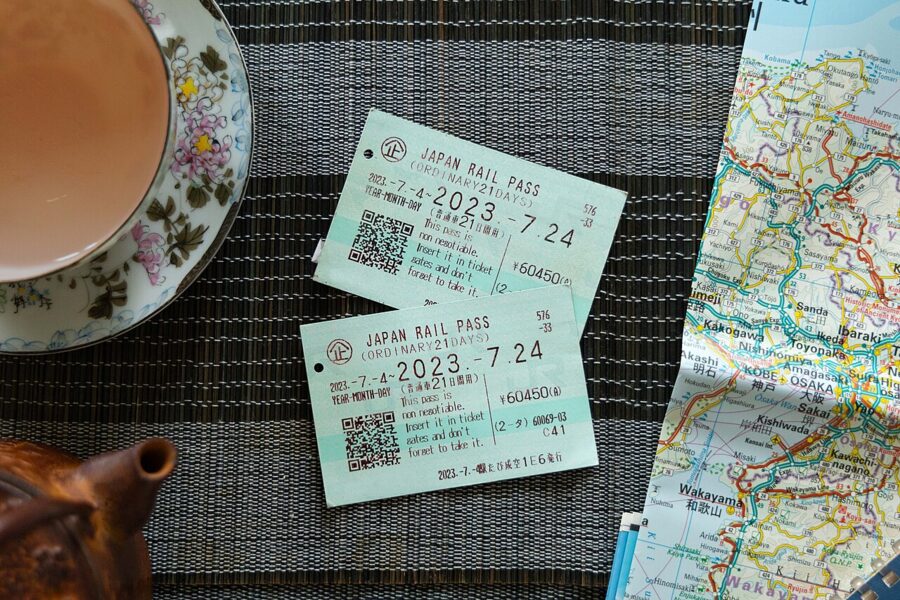

A seven-day Japan Rail Pass costs ¥50,000 (about US$310) on the JR Group’s own website and ¥53,000 (about US$330) from a travel agent, as of November 2026. A Tokyo to Kyoto round trip on the same Hikari trains the pass covers costs ¥27,700 (about US$173). Everything about the pass now comes down to the gap between those numbers, and to which of two places you buy it from.
Contents8 parts
Until 2023 the pass was the default answer for a first trip to Japan. Today it is a tool for a particular kind of trip: long rides on several days in one tight window. Buying, collecting and riding with it are simple once you know the steps. The harder part is the arithmetic, and the regional passes that beat it more often than not.
What the pass is now
The Japan Rail Pass is a joint product of the six JR Group companies: JR Hokkaido, JR East, JR Central, JR West, JR Shikoku and JR Kyushu. It gives unlimited rides on their trains for 7, 14 or 21 consecutive days, in either Ordinary class or Green class (first class). The clock runs from the start date you choose, and the days cannot be paused, split or extended.
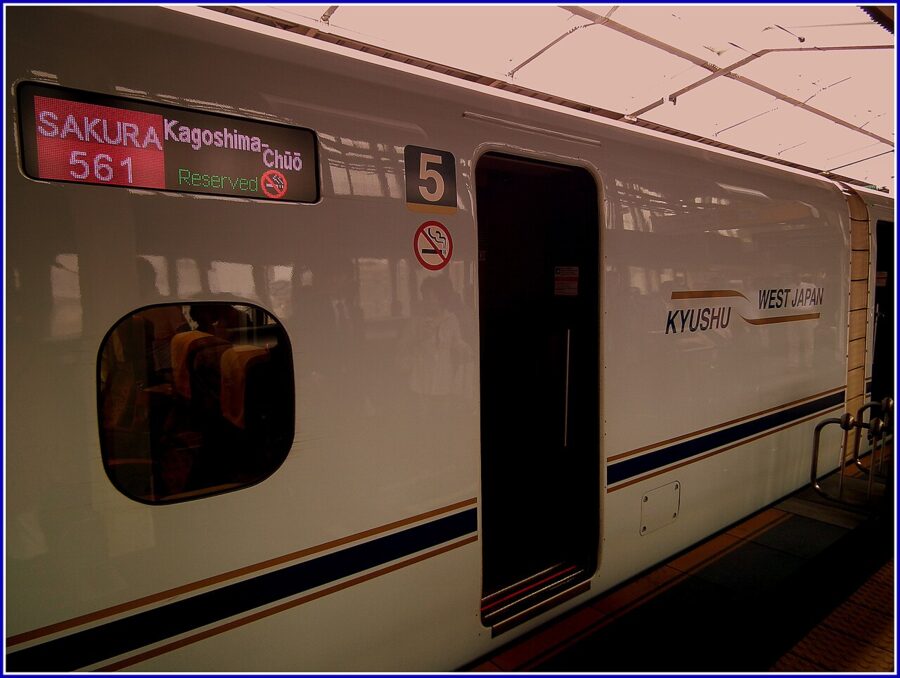
It covers almost every Shinkansen in the country, from Shin-Hakodate-Hokuto in the north to Kagoshima-Chuo in the south, plus limited express, rapid and local JR trains. The large exception is the two fastest trains on the Tokaido, Sanyo and Kyushu lines, Nozomi and Mizuho, which need a separate ticket covered further down.

The 2023 jump and the 2026 split
On October 1, 2023, the price of the pass rose by roughly two thirds. The seven-day Ordinary pass went from ¥29,650 (about US$185) to ¥50,000, the 14-day from ¥47,250 (about US$295) to ¥80,000 (about US$500) and the 21-day from ¥60,450 (about US$378) to ¥100,000 (about US$625). That single change is why so much older advice about the pass “always” paying is now wrong.
In April 2026 the JR Group announced a second rise, this one only for passes bought through overseas agents, from October 1, 2026. The JR Group’s price notice says the online price stays unchanged for a limited period to encourage people to buy on the website, and that the end of that period will be announced once it is decided. So for now there are two price lists, and the cheaper one is on the official site.
These are the official prices as of November 2026:
| Pass | Official site, adult | Official site, child | Overseas agent, adult | Overseas agent, child |
|---|---|---|---|---|
| 7-day Ordinary | ¥50,000 | ¥25,000 | ¥53,000 | ¥27,000 |
| 14-day Ordinary | ¥80,000 | ¥40,000 | ¥84,000 | ¥42,000 |
| 21-day Ordinary | ¥100,000 | ¥50,000 | ¥105,000 | ¥53,000 |
| 7-day Green | ¥70,000 | ¥35,000 | ¥74,000 | ¥37,000 |
| 14-day Green | ¥110,000 | ¥55,000 | ¥116,000 | ¥58,000 |
| 21-day Green | ¥140,000 | ¥70,000 | ¥147,000 | ¥74,000 |
Child prices apply from age 6 to 11. A child who is 11 on the day you pay online, or on the day an agent issues the voucher, keeps the child price even if they turn 12 before the trip. Children under 6 ride free unless they take their own reserved seat, and an adult can bring two of them free; a third needs a child ticket.
Agents charge in your own currency, converted from yen at the bank rate on the day they issue the voucher, and the exchange rate printed on it is the one you paid. The official site charges your card in yen.
Who can buy it
The pass is for visitors entering Japan for sightseeing with the status “Temporary Visitor,” the 15-day or 90-day stamp or sticker an immigration officer puts in a passport. That stamp is the thing checked when you collect the pass, and the eligibility page is blunt: no stamp, no pass, and no refund from the JR Group for train fares you then pay.
The trap is the airport’s automated gates, which let many visitors through immigration without a stamp at all. If you plan to collect a pass, use a staffed booth or ask an officer to stamp your passport. Holders of a Trusted Traveler registered user card show that card instead.
Foreign nationals living in Japan cannot buy it. Japanese citizens living abroad can, under separate rules: they buy only through overseas agents, with proof of residence abroad, and the JR Group has extended that arrangement to vouchers sold by December 31, 2027, and exchanged by March 30, 2028. Everyone on a booking must qualify in their own right, so a visiting family cannot add a relative who lives in Japan.
Buying on the official site, step by step
The official sales site is called JAPAN RAIL PASS Reservation, and it is the only place where you can book seats before you land. It is open from 4 a.m. to 11:30 p.m. Japan time (UTC+9), and its step-by-step guide matches what you see on screen. Have each traveler’s passport, an email address you can check, and a credit card in your own name.
- Open the reservation site and choose Create a New Account. Enter an email address and a password.
- Type your name exactly as it appears in your passport. It is checked against the passport when the pass is issued.
- Scroll to the bottom of the personal-information notice and of the terms, tick both boxes, and submit. Click the link in the registration email to finish.
- Log in and choose Reserve JAPAN RAIL PASS in My Menu.
- Pick the type (Ordinary or Green), the length and the start date. Sales open at 4 a.m. Japan time on the same date one month before the start date, so a pass starting March 29 goes on sale on March 1.
- Choose your arrival airport or port. If you change planes in Japan, pick the airport where you finally land.
- Enter the name and passport number of each traveler. You are the representative; you can add up to five more, adults or children, all of whom must qualify.
- Check the total, enter your card (Visa, Mastercard, JCB, American Express, Diners or Discover) and pass the 3D Secure check with your bank.
- Wait for the Purchase Complete email. It carries the reservation number you will need at the station.
Do not use the browser’s back button during payment. The site warns that it can lose your entries, and that a payment may go through even if you then see an error, so check your inbox before you try again.
You can change the start date or the number of travelers online until 11:30 p.m. Japan time on the day before the pass starts, as long as you have not collected it. Changing it cancels every seat you have booked. A refund costs ¥560 (about US$4) per pass and has the same deadline, and if you simply never collect the pass, you pay for it in full.
Buying from an agent, and the exchange order
The JR-designated agents abroad are JTB, Nippon Travel Agency, Kintetsu International, Tobu Top Tours, Japan Airlines, JALPAK and their associated agencies, plus ANA Sales Americas in Los Angeles if you are flying with ANA. They sell an exchange order, a voucher you swap for the pass in Japan. The overseas purchase page lists them by region.
The voucher has two dates to respect. It must be exchanged within three months of the day it was issued, and it can be exchanged from one month before the start date you want. The JR Group’s own example: a voucher issued on April 15 must be exchanged by July 14, and for a May 30 start you can exchange it from April 30.
Against the official site, an agent costs ¥3,000 (about US$19) more on a seven-day Ordinary pass and up to ¥7,000 (about US$44) more on the longer Green ones. You also lose online seat booking: your seats get booked at a machine or counter after you exchange. Refunds are worse too, with 10% of the yen price kept if you return an exchanged pass, against ¥560 for an online pass.
I would use an agent only if you need to pay in local currency, if your card fails the official site’s checks, or if you are a Japanese citizen living abroad, for whom it is the only route. Lose the voucher and the pass cannot be issued, so keep it with your passport.

Collecting the pass and starting it
Nothing you buy online or from an agent will open a ticket gate. You must turn the reservation number or the voucher into a pass at one of the pick-up and exchange locations, which run from Kushiro and New Chitose Airport in Hokkaido to the main stations of Kyushu.
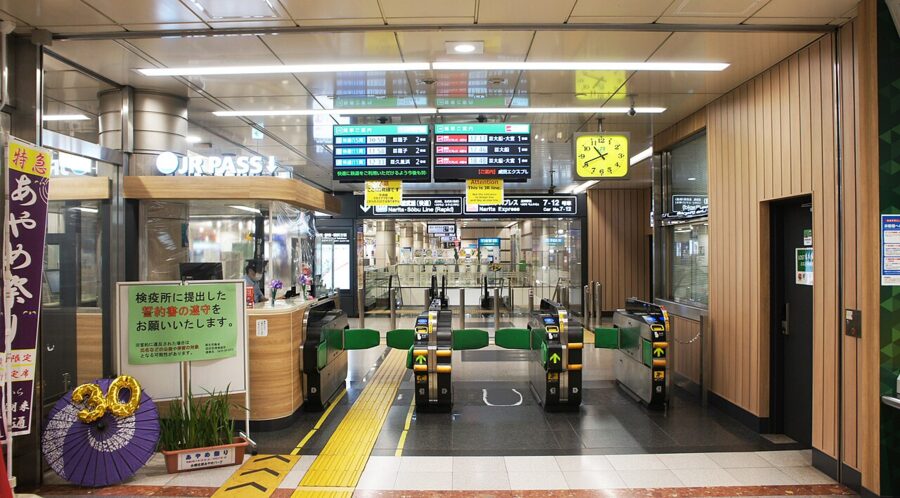

Every traveler on the booking has to come to the counter, each with a passport showing the Temporary Visitor stamp. Online passes can be picked up from 4:30 a.m. to 11:30 p.m. Japan time at locations that are open, any day before the start date or during the pass’s validity, including the first day itself. Vouchers must be exchanged at a staffed counter.
Online buyers have one shortcut: reserved-seat ticket machines with a passport reader, found in JR East and JR West stations such as Narita Airport, Haneda Airport Terminal 3, Tokyo, Shinjuku, Ueno, Shibuya, Ikebukuro, Shinagawa, Sendai and Kanazawa. They issue online passes but cannot exchange vouchers. At Narita the machines run from 6:30 a.m. to 9:45 p.m., later than some counters.
With a voucher, you tell the clerk the start date when you exchange it, and that date is printed on the pass. After that the pass cannot be exchanged for another type, its dates cannot be changed, and if it is lost or stolen it cannot be reissued. That last answer is the one to the common question about a lost pass: you buy ordinary tickets for the rest of the trip.
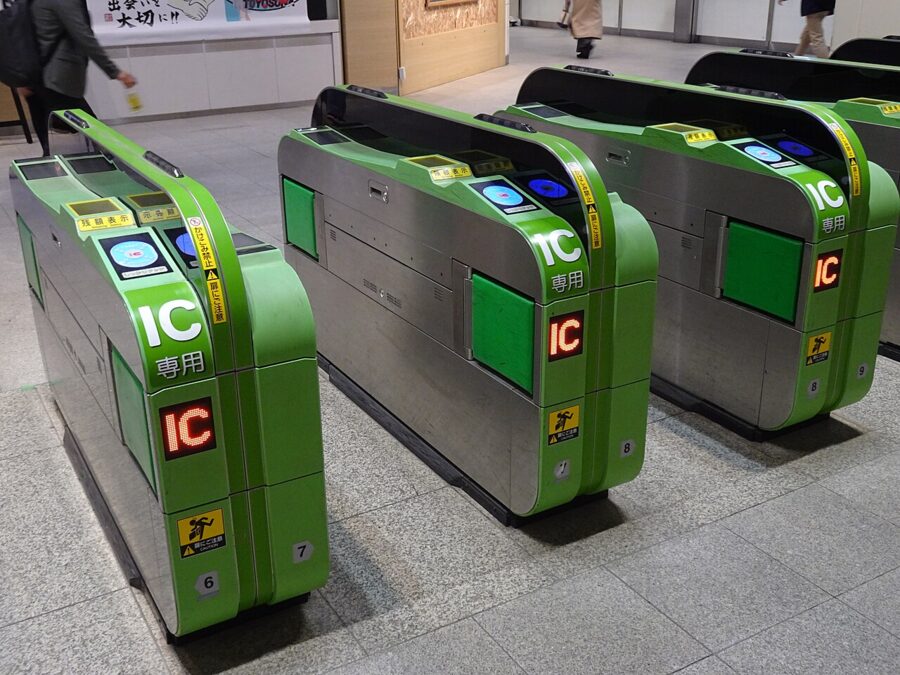
Use the automatic ticket gates like everyone else, or show the pass at a staffed gate, where an attendant stamps it. Carry your passport whenever you ride, since a conductor or station attendant may ask for it. A Suica or other IC card still earns its place in your pocket for subways, private railways and buses the pass does not touch.

Reserving seats
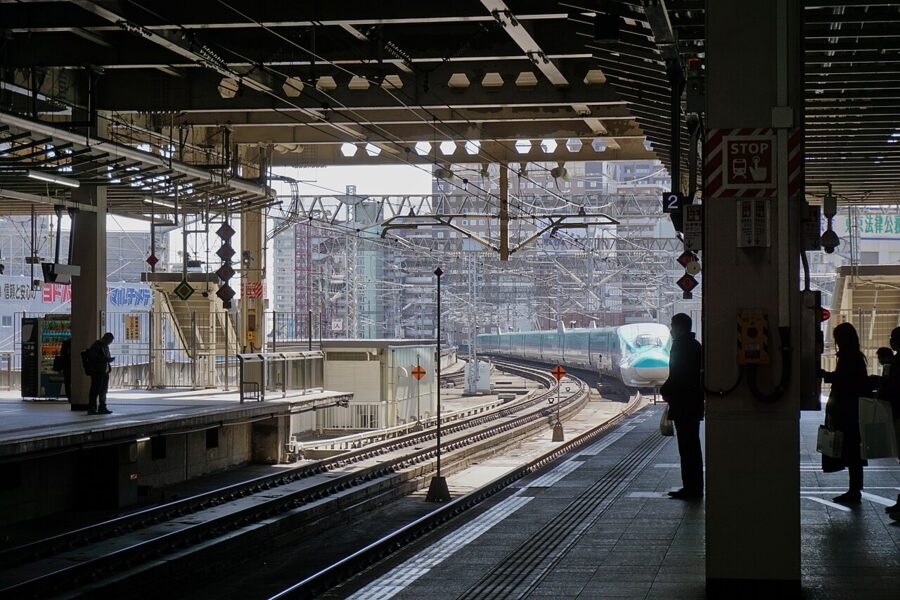
The pass itself does not guarantee you a seat. Booking a reserved seat, shiteiseki (指定席), costs nothing extra, and on most lines you can also sit in the non-reserved cars, jiyūseki (自由席), without booking. Some trains have no non-reserved cars at all, among them the Hayabusa on the Tohoku line and the Kagayaki on the Hokuriku line, so those must be booked.
Seat sales open at 10 a.m. Japan time on the same date one month before you travel. The seat reservation page names the weeks when seats are hardest to get: May 1 to 6, August 7 to 16, September 18 to 23 and December 29 to January 3.
Online, if you bought on the official site
- Log in, open the pass in My Menu and choose Reserve a Seat.
- Enter the date, stations and a departure or arrival time; add up to three transfer stations if you need them.
- Pick one of up to three routes the site offers, with up to three trains each.
- Choose the seat type, then Any Seat or Select From Seat Map, and confirm.
- Before boarding, print the seat ticket at a reserved-seat machine by scanning the QR code on your pass and typing your passport number.
You can book up to six minutes before departure and change or cancel free until the train leaves. If you are carrying a suitcase whose length, width and height add up to more than 160 cm (about 63 in) on the Tokaido, Sanyo, Kyushu or Nishi-Kyushu Shinkansen, book a seat with an oversized baggage area. Over 250 cm, it cannot come aboard.
At a machine
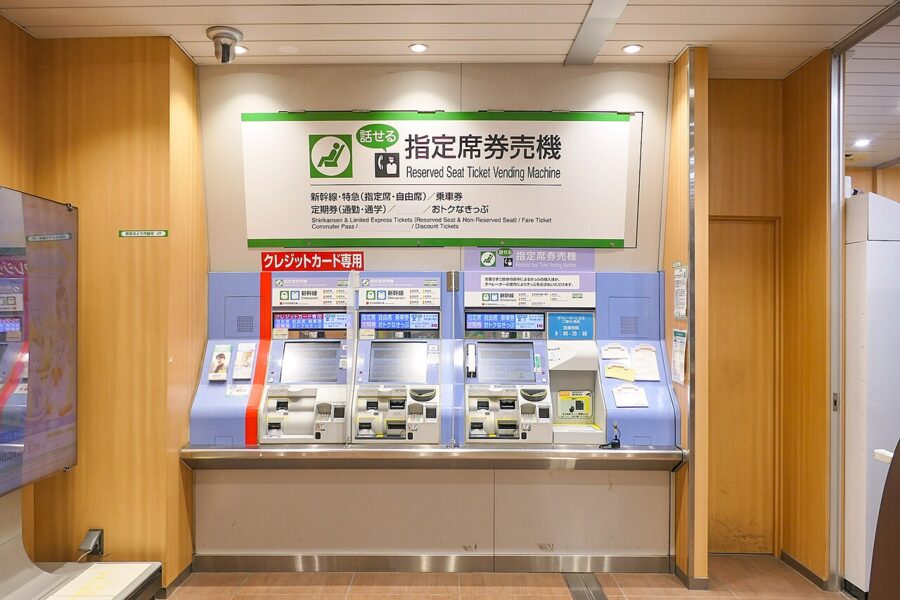
Look for the green sign 指定席券売機, the reserved-seat ticket machine. Scan the QR code on the pass or type the reservation number printed on it, enter your passport number, then the stations, date and time, and pick the train and seat. The machine prints the seat ticket on the spot. To change a seat already issued, go to a counter.
At the counter
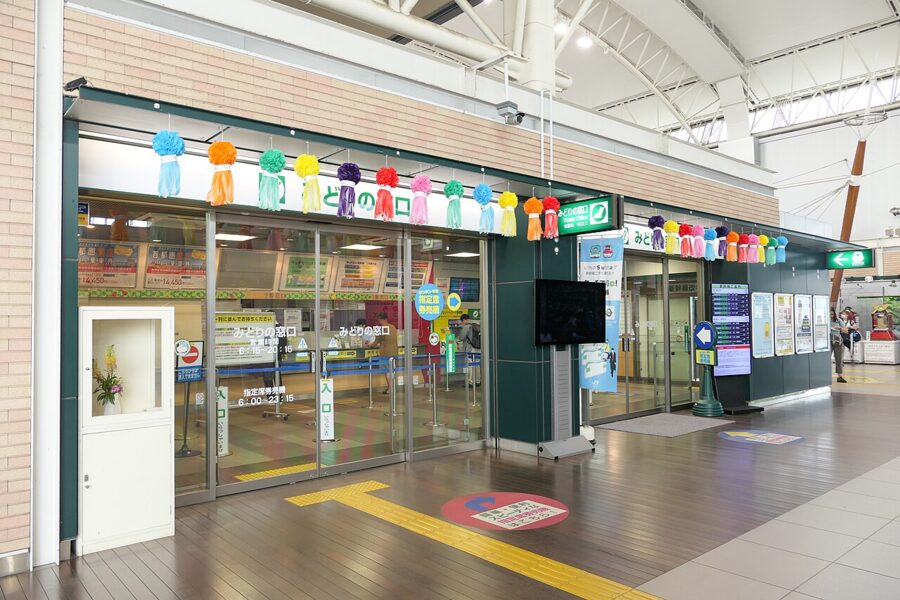
Any staffed JR ticket office, the Midori-no-madoguchi (みどりの窓口), and the JR travel service centers will book a seat if you show the pass. Write the date, train time, stations and number of people on a card and hand it over with the pass.
Two limits apply wherever you book. You cannot hold seats on overlapping trains at the same time, and once a pass has 110 seat bookings the machines and the website stop issuing more. The second limit only bites if you book several back-up trains for every leg.
If you are not buying a pass at all, the steps for point-to-point tickets are in how to book Shinkansen tickets, which covers smartEX, the JR company sites and the station machines.
What it covers, and what it doesn’t
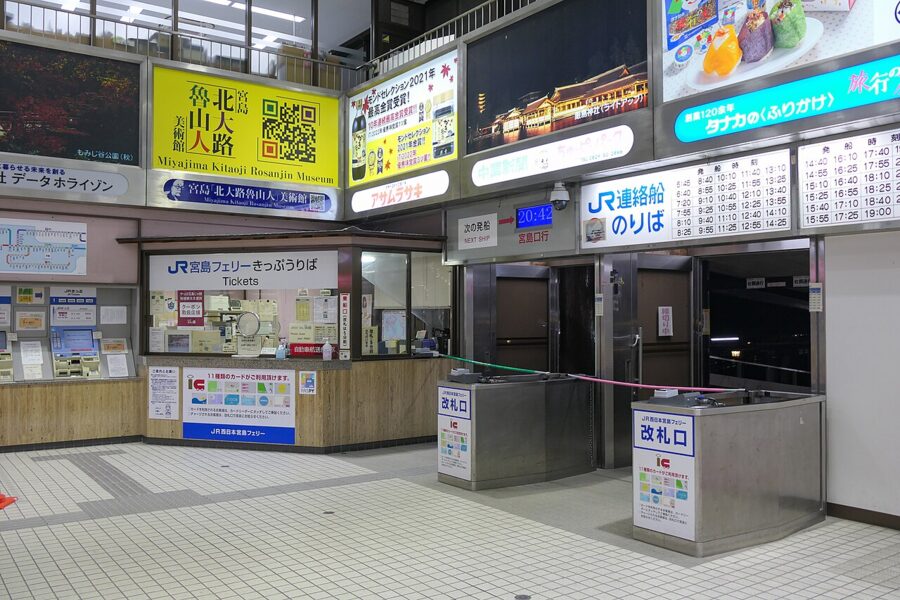
The scope of validity is wider than most people expect. Besides JR trains, the pass covers the Tokyo Monorail between Hamamatsucho and Haneda Airport, JR’s BRT bus routes, the local routes of the eight JR bus companies, and the JR West ferry between Miyajimaguchi and Miyajima.

It does not cover subways, private railways or JR’s own highway buses. For those long bus routes, see Japan highway buses. It does not cover the JR Kyushu ferry from Hakata to Busan, and in Tokyo and Osaka the city subways are separate companies, so a pass holder still taps an IC card many times a day.
Nozomi, Mizuho and the supplement ticket
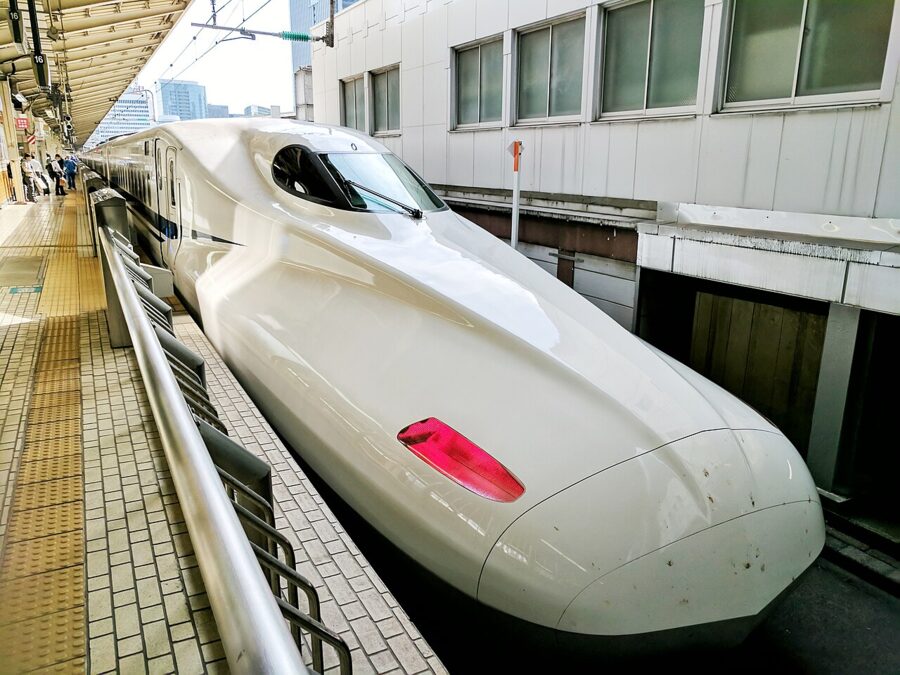
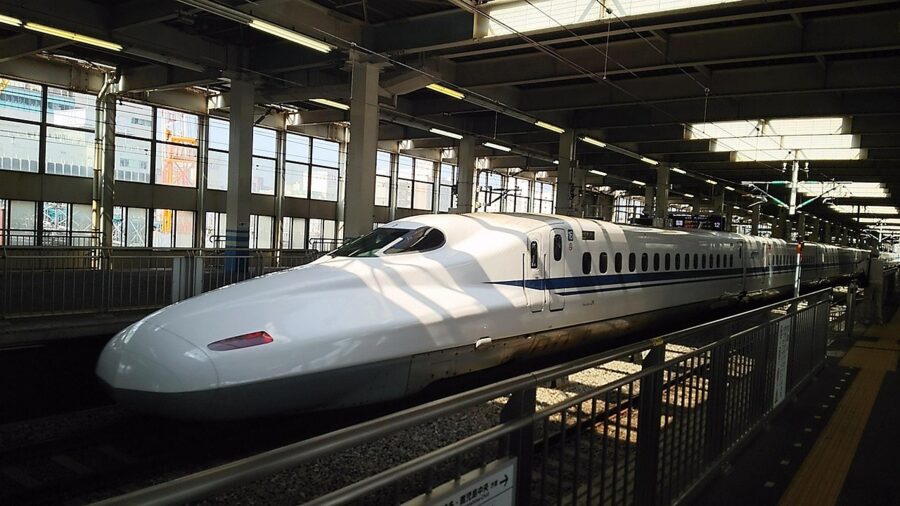
On the Tokaido, Sanyo and Kyushu Shinkansen, the pass is not valid on any Nozomi or Mizuho seat, reserved or non-reserved. Ride the Hikari, Sakura, Kodama or Tsubame instead, or buy the extra ticket JR now sells only to pass holders, the [ONLY WITH JAPAN RAIL PASS] NOZOMI MIZUHO Ticket. These are the main supplement prices as of November 2026:
| Section | Supplement |
|---|---|
| Tokyo to Nagoya | ¥4,180 (about US$26) |
| Tokyo to Kyoto or Shin-Osaka | ¥4,960 (about US$31) |
| Tokyo to Hiroshima | ¥6,500 (about US$41) |
| Shin-Osaka to Hakata | ¥4,960 |
| Hakata to Kagoshima-Chuo | ¥5,150 (about US$32) |
The price is the same for a Green seat, a reserved Ordinary seat or a non-reserved seat. It goes on sale one month before travel at reserved-seat machines, ticket offices and travel centers, it must be bought before boarding, and you need one per journey. Ordinary pass holders cannot buy the Green version.
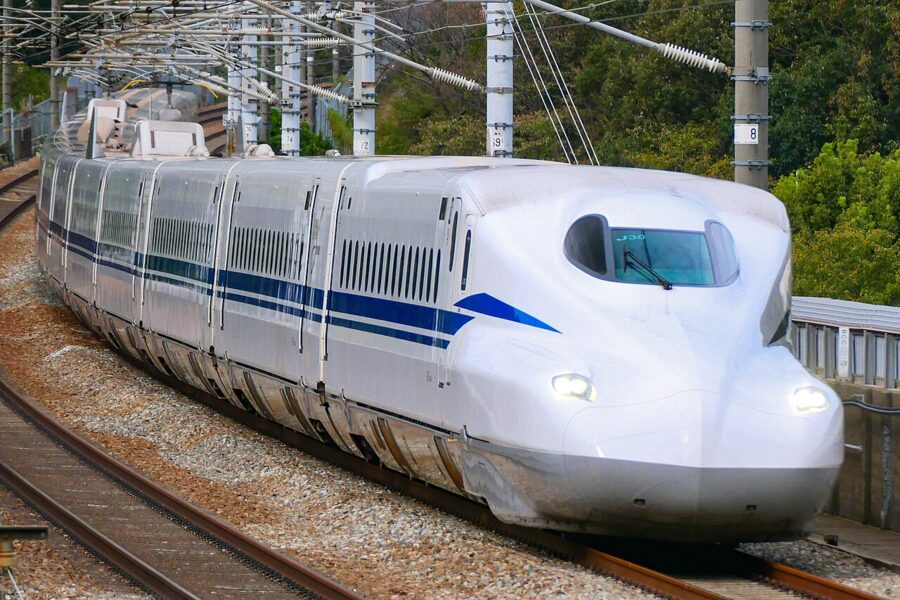

In the peak periods JR Central runs every Nozomi as all-reserved, as its Nozomi peak-period page sets out. With a non-reserved supplement on those dates you may board, but you stand in the vestibule. I would pay the supplement only for a long leg where the Hikari timetable leaves a real gap, such as an early start from Tokyo to Hiroshima.

Private railways, through trains and paid extras
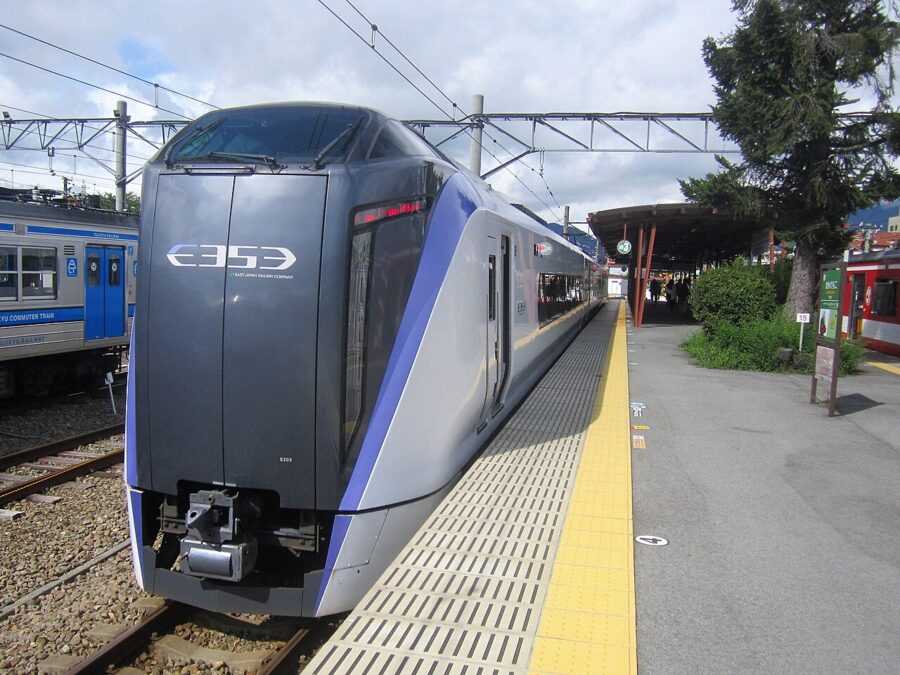
Several JR limited expresses run onto private track, and you pay the private company’s fare and charges for that stretch. The pass’s conditions of use and route page list them; the ones visitors meet most are these:
- Fuji Excursion, Shinjuku to Kawaguchiko: pay for Otsuki to Kawaguchiko (Fujikyu Railway).
- Nikko and Kinugawa trains from Shinjuku: pay for Kurihashi onward (Tobu Railway).
- Odoriko to Izukyu-Shimoda: pay for Ito to Izukyu-Shimoda (Izukyu).
- Super Hakuto, Kyoto to Tottori: pay for Kamigori to Chizu (Chizu Express).
- Hashidate and Kounotori to Amanohashidate: pay for the Kyoto Tango Railway section.

A few short private sections are free if you ride straight through without getting off: Aoimori Railway between Hachinohe, Aomori and Noheji on ordinary trains, IR Ishikawa between Kanazawa and Tsubata, Ainokaze Toyama between Toyama and Takaoka, and Hapi-Line Fukui between Echizen-Hanando and Fukui.
On JR trains themselves, some seats cost extra even with a Green pass: GranClass, Premium Green and DX Green, private compartments, sleeper berths and liner trains. TRAIN DESK cars on the Tohoku, Hokkaido, Joetsu and Hokuriku lines, S Work cars on the Tokaido and Sanyo lines, and the Tokaido line’s cars for families with small children are not covered at all.

Does it still pay? Three trips worked through
The fares below are adult, regular-season, reserved Ordinary seats bought at the station, as of November 2026, on the Hikari, Sakura and Kodama trains the pass covers. A Nozomi costs a little more: ¥14,170 (about US$89) from Tokyo to Kyoto against ¥13,850 (about US$87) on a Hikari. Off-peak days take ¥200 (about US$1) off a seat on most routes, and the busiest weeks add up to ¥400 (about US$3).
One date to keep in view. JR Central and JR West have announced that Nozomi and Mizuho reserved seats bought from July 1, 2027, will cost more, with Tokyo to Shin-Osaka going from ¥14,720 (about US$92) to ¥15,420 (about US$96), while Hikari and non-reserved prices stay put. The Hikari fares below are not affected.
Trip one: Tokyo and Kyoto in a week
| Leg | Fare |
|---|---|
| Tokyo to Kyoto | ¥13,850 |
| Kyoto to Tokyo | ¥13,850 |
| Total | ¥27,700 |
Against ¥50,000 for the pass, you are ¥22,300 (about US$139) short. Day trips from Kyoto to Nara, Osaka or Himeji are short local or Shinkansen hops that cannot close that gap. Buy two tickets.
Trip two: one fast week west
| Leg | Fare |
|---|---|
| Tokyo to Kyoto | ¥13,850 |
| Kyoto to Hiroshima | ¥11,300 (about US$71) |
| Hiroshima to Hakata | ¥9,100 (about US$57) |
| Hakata to Tokyo | ¥22,750 (about US$142) |
| Total | ¥57,000 (about US$356) |
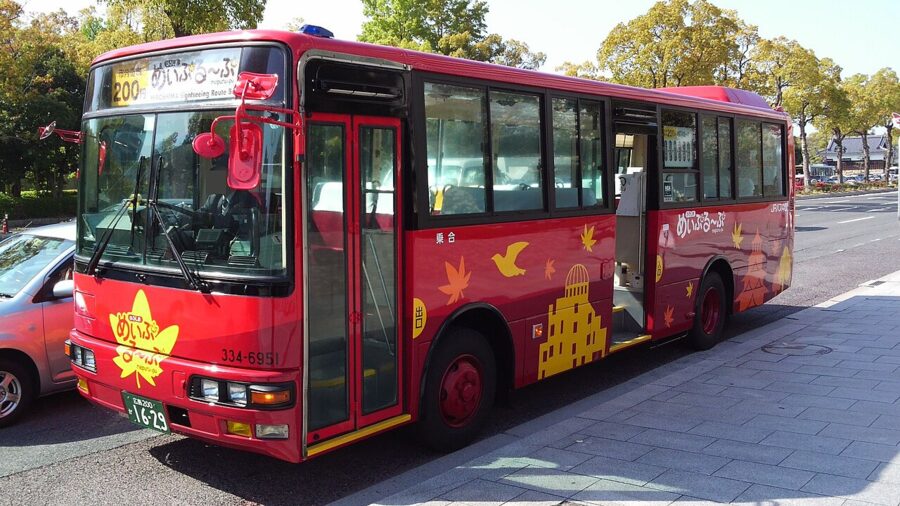
Here the pass wins: ¥7,000 cheaper bought online, ¥4,000 (about US$25) cheaper from an agent, before you count the Miyajima ferry, the Hiroshima JR buses or a Narita Express on day one. It wins because two of the four legs are very long and all four fall inside seven days. Swap any leg for a Nozomi with the supplement, though, and most of the saving goes.

Trip three: a Kyoto base with Hiroshima
| Leg | Fare |
|---|---|
| Tokyo to Kyoto | ¥13,850 |
| Kyoto to Hiroshima and back, as a long day trip | ¥22,600 (about US$141) |
| Kyoto to Tokyo | ¥13,850 |
| Total | ¥50,300 (about US$314) |
This is the trip people argue about online, and the numbers show why: the online pass saves ¥300 (about US$2) and the agent’s pass loses ¥2,700 (about US$17). The better buy is neither. Pay for the two Tokyo legs, and for the days in between buy JR West’s Kansai-Hiroshima Area Pass at ¥17,000 (about US$106) for five days, and the trip costs ¥44,700 (about US$279).
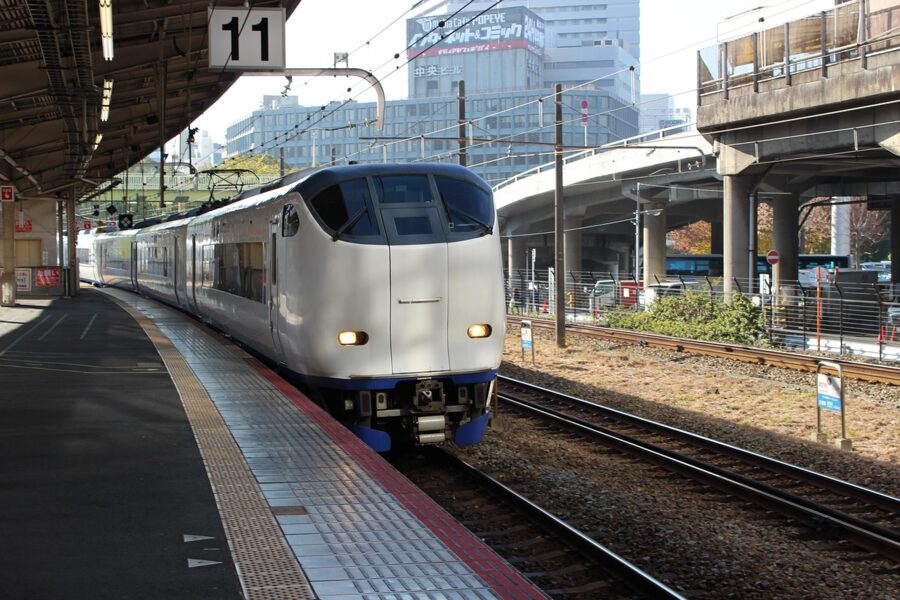
That regional pass also covers the Haruka airport train, JR lines to Nara and Himeji, the Miyajima ferry, and Nozomi and Mizuho on the Sanyo Shinkansen between Shin-Osaka and Hiroshima. You reach Shin-Osaka from Kyoto on the JR Special Rapid, since the pass does not cover JR Central’s Tokaido Shinkansen.
The same arithmetic answers the 14-day question. Stretch trip three over two weeks with five quiet days in Tokyo and the train total barely moves, while the pass doubles to ¥80,000 (about US$500). A long trip rarely needs a long pass; it needs a short pass, or none, placed over the days with the long rides.
The regional passes that often pay better
Each JR company sells its own passes to visitors, usually far cheaper because they cover one region. These are adult prices from each company’s own pass page as of November 2026, and several are cheaper again through the company’s online booking.
| Pass | Days | Adult price | Best for |
|---|---|---|---|
| JR EAST PASS | 5 or 10 in a row | ¥35,000 (about US$219) or ¥50,000 | Tohoku, Nagano and Niigata from Tokyo |
| JR TOKYO Wide Pass | 3 | ¥16,000 (about US$100) | Day trips: Nikko, Karuizawa, Kawaguchiko |
| Hokuriku Arch Pass | 7 | ¥35,000 | Tokyo to Osaka the long way, via Kanazawa |
| Kansai WIDE Area Pass | 5 | ¥12,000 (about US$75) | Kansai plus Okayama, Kinosaki, Amanohashidate |
| Kansai-Hiroshima Area Pass | 5 | ¥17,000 | Kyoto or Osaka base with Hiroshima and Miyajima |
| JR Kyushu Rail Pass, All Kyushu | 3, 5 or 7 | ¥22,000 (about US$138), ¥24,000 or ¥26,000 | Fukuoka, Nagasaki, Kumamoto, Kagoshima |
| Hokkaido Rail Pass | 5, 7 or 10 | ¥22,000, ¥28,000 or ¥37,000 bought ahead | Sapporo, Hakodate and the far north |
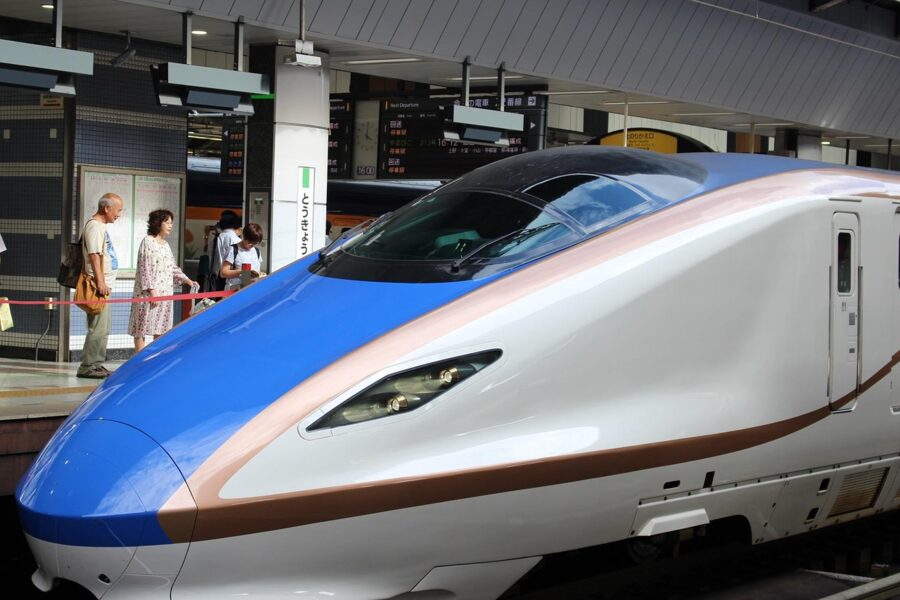
Two of these change how you plan. The JR EAST PASS now runs five or ten consecutive days across both the Tohoku and the Nagano and Niigata areas; JR East’s own example prices a Narita to Sendai and Aomori trip at ¥52,000 (about US$325) in single tickets. The JR Kyushu Rail Pass does not cover the Shinkansen between Kokura and Hakata, so start and end it in Hakata.
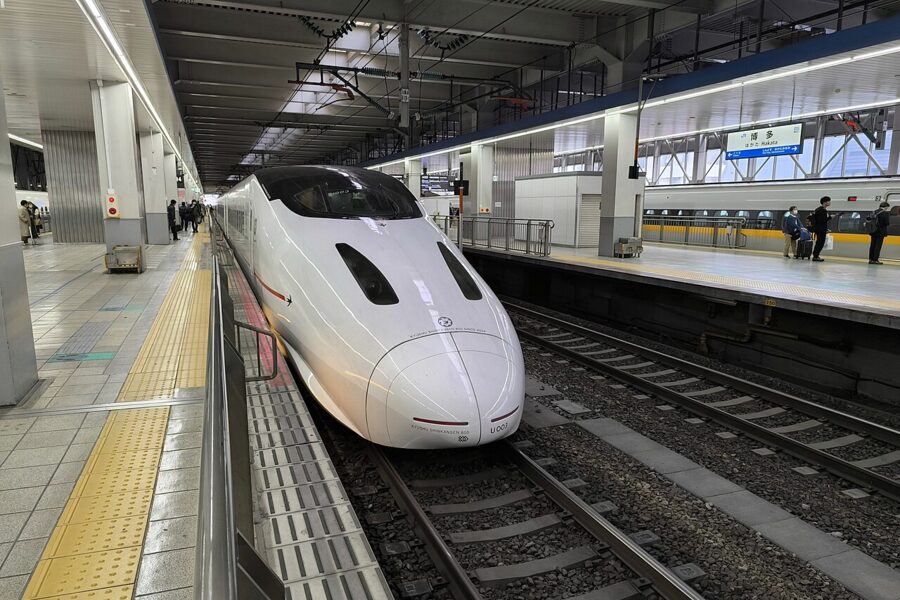

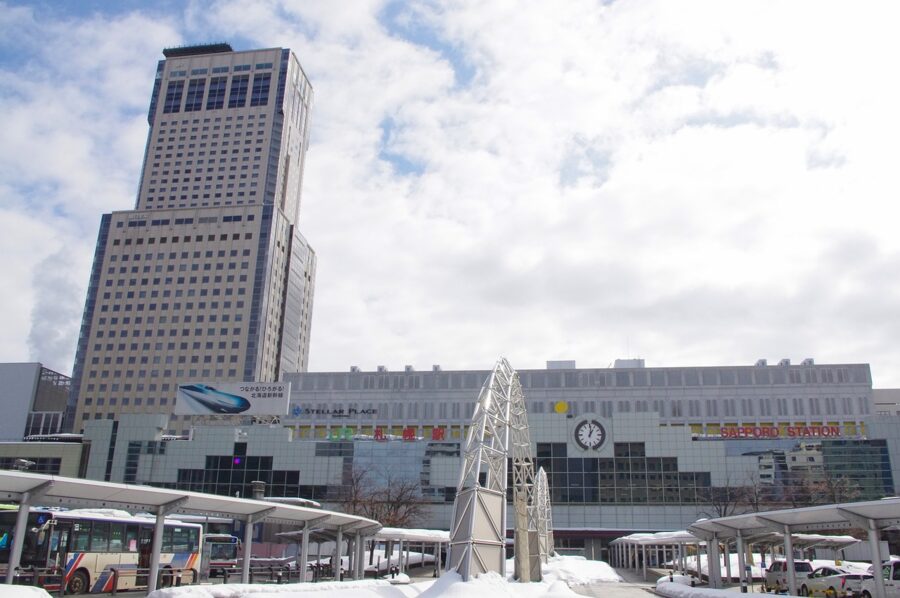
Every one of these passes is sold only to visitors with Temporary Visitor status, and every one runs on consecutive days. Several will not cover the Tokaido Shinkansen between Tokyo and Osaka, which is the one line where a nationwide pass still has no regional rival.
When to skip a pass entirely
Skip it if your trip is a Tokyo and Kyoto round trip, if you will spend most days inside one city, or if you prefer the Nozomi and would pay the supplement every time. Skip it, too, if the long legs of your trip are flights; for Hokkaido or Okinawa from Tokyo, see domestic flights in Japan. In those cases single tickets, an IC card and perhaps one regional pass will cost less and tie you to nothing.
The pass earns its price in a week with three or four long Shinkansen rides that you are happy to take on Hikari, Sakura and Kodama trains. If that is your week, add up your legs from the fares above, compare them with ¥50,000, and if the legs win, buy on the official site a month before your start date at 4 a.m. Japan time, while the online price still holds.