Ruth Benedict never set foot in Japan. The book she wrote about it, The Chrysanthemum and the Sword (1946), has still sold more than 2.3 million copies there since its Japanese translation came out in 1948, and Japanese readers have been arguing with it ever since. That is a good warning for anyone packing a reading list: the most famous books about Japan are not always the most reliable, and the reliable ones are not always the famous.
Contents7 parts
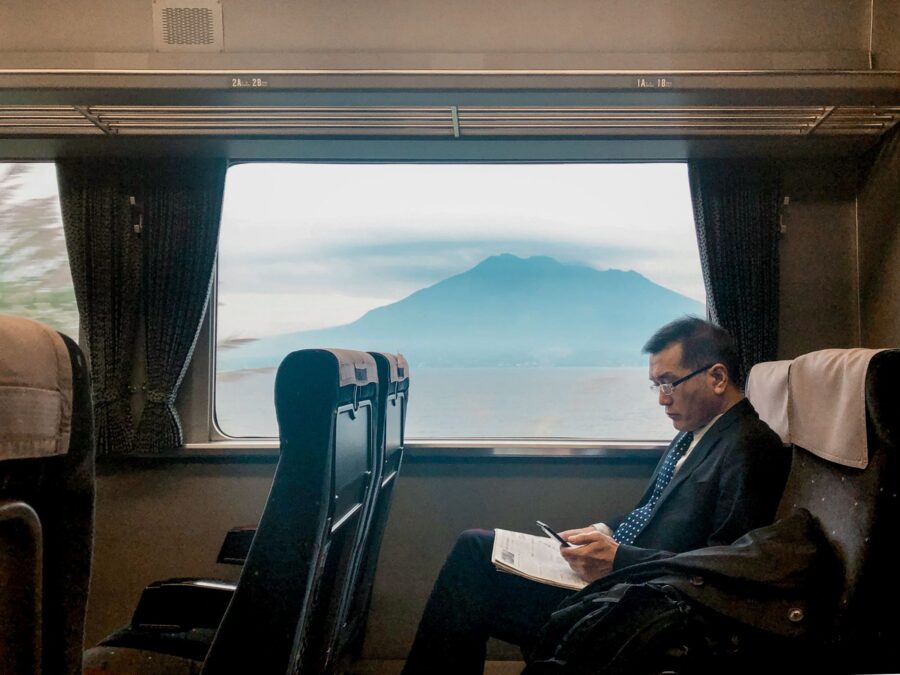
Six kinds of book are worth packing: a one-volume history, a book on how people live, the classic travel writing in English, a novel or two from the eleventh century to last spring, something on food, and a practical guide. Some come in two titles or in translations that read like different books, and some have dated, which changes what to buy.

History, in one volume
Before a two-week trip you need one good history, and maybe a second for the stretch you care about.
A Modern History of Japan, by Andrew Gordon
Gordon, a Harvard historian, runs from the Tokugawa shogunate to the present in about 460 pages, and he writes about workers, women and voters as well as statesmen. The current version is the fourth edition (Oxford University Press; dated 2019 by the publisher, 2020 in most library catalogs), and it is the one to get, because each edition pushes the last chapter forward. It suits the reader who wants to understand the castle towns, the railways and the postwar cities they will actually walk through.
If 460 pages is too many, Jonathan Clements’s A Brief History of Japan: Samurai, Shogun and Zen (Tuttle, 2017) covers the whole span, ancient to modern, in a lighter voice. It is the better pick for a first trip; Gordon is the better pick for a second.
The Japanese: A History in Twenty Lives, by Christopher Harding
Harding, who teaches Asian history at the University of Edinburgh, tells Japan’s story through twenty people, from the earliest written accounts to Empress Masako. Allen Lane published it in November 2020 and Penguin issued the paperback in 2022. It is the history for readers who fall asleep over dates and wake up for a character.

Embracing Defeat, by John W. Dower
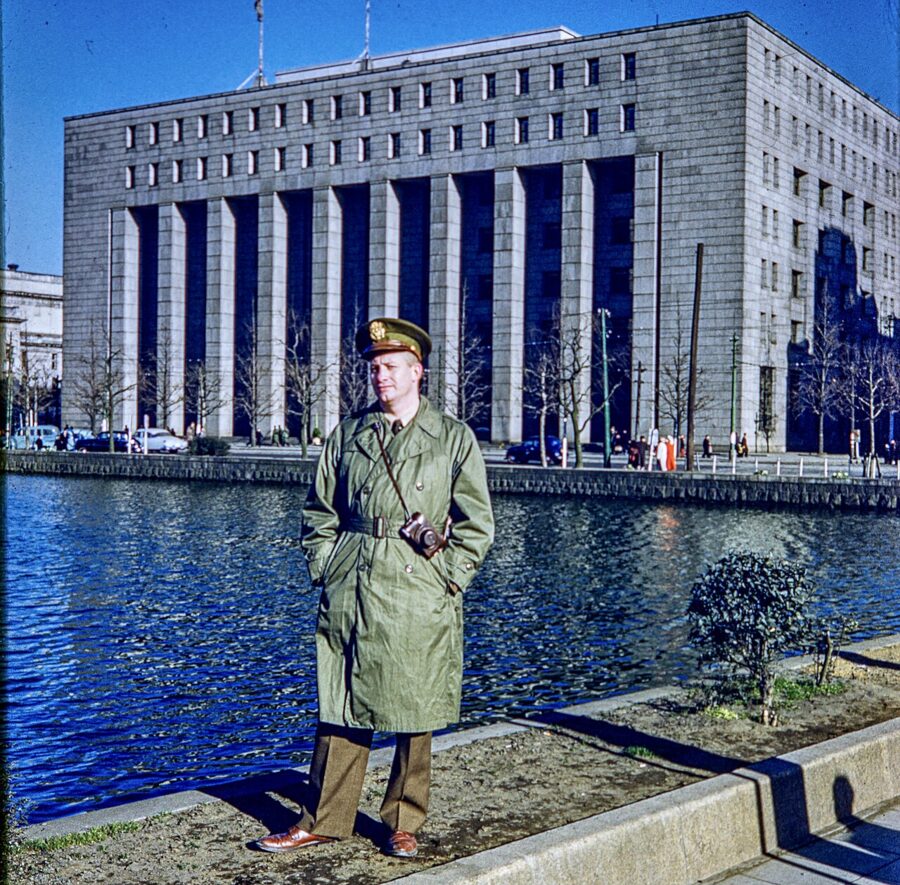
Dower’s account of the American occupation (Norton, 1999) won the Pulitzer Prize for general nonfiction in 2000, and it is still the best book on the years when modern Japan was put together. It covers the black markets, the new constitution and the way ordinary people lived through 1945 to 1952. It is also the world that Boyé Lafayette De Mente arrived in as a young code clerk in 1949.
Society, and how people live
The most famous books, and the most arguments. Read at least one critic alongside the classics.
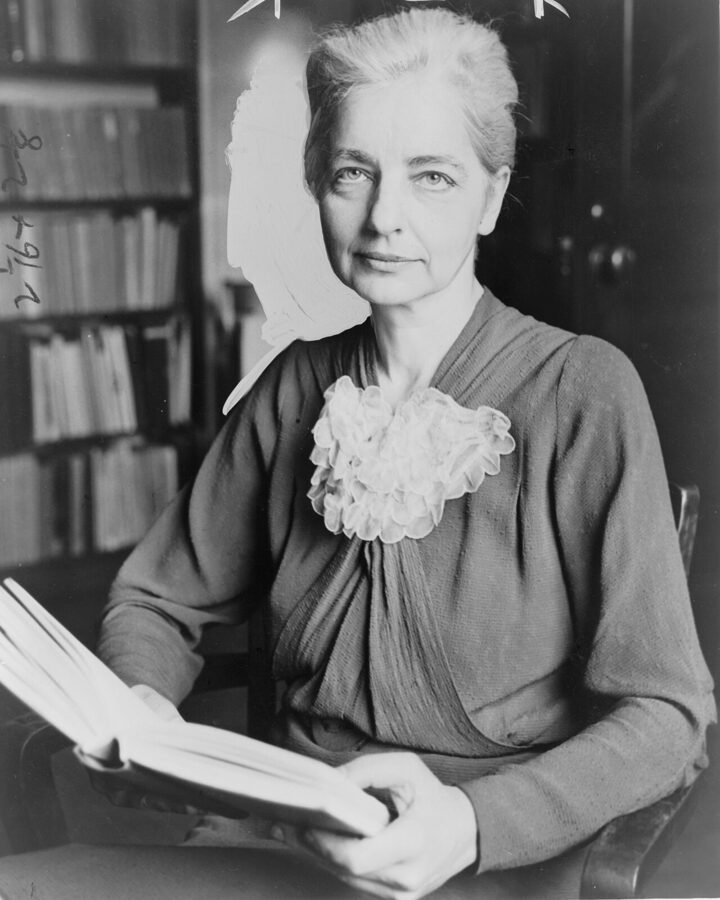
The Chrysanthemum and the Sword, by Ruth Benedict
Benedict’s study (Houghton Mifflin, 1946) grew out of a wartime assignment for the US Office of War Information. With Japan closed to her, she worked from films, novels and interviews with Japanese Americans, and she built a famous contrast: the West as a “guilt culture” and Japan as a “shame culture” governed by obligation and the eyes of others.
The critique started in Japan almost at once. In 1950 the Japanese Journal of Ethnology gave a special number to the problems the book raised, and the philosopher Watsuji Tetsurō’s contribution was titled, in English, “Some Doubts About the Scientific Value of Benedict’s Book”. Later the political scientist C. Douglas Lummis argued that she had taken the ideology of one class at one desperate moment and called it a culture.
Read it anyway, but read it as a document of 1946. It shows how Americans tried to understand an enemy, and it shaped how Japan was explained to the world for decades. It does not describe the people you will meet on a Tokyo train.
Japanese Society, by Nakane Chie, and The Anatomy of Dependence, by Doi Takeo
These two short books are the serious end of nihonjinron (日本人論, theories of the Japanese), the postwar flood of books explaining Japan as unique. Nakane, a social anthropologist, described Japan as a society of vertical ties between seniors and juniors inside a group (Japanese Society, 1970). Doi, a psychiatrist, built his book (Japanese 1971; English 1973, translated by John Bester) around amae (甘え), the wish to be indulged and looked after.
Both are clear and worth an evening each. Both also generalize from offices and families of a certain kind and era to a whole nation, which is exactly the move the next book takes apart.
An Introduction to Japanese Society, by Sugimoto Yoshio
Sugimoto’s textbook (Cambridge University Press; the fifth edition is from 2021) treats Japan as you would treat any large country: split by class, region, gender, generation and ethnicity. It is drier than Benedict and far more accurate, and it suits anyone who suspects that “the Japanese” of the other books are too tidy.
In Praise of Shadows, by Tanizaki Jun’ichirō
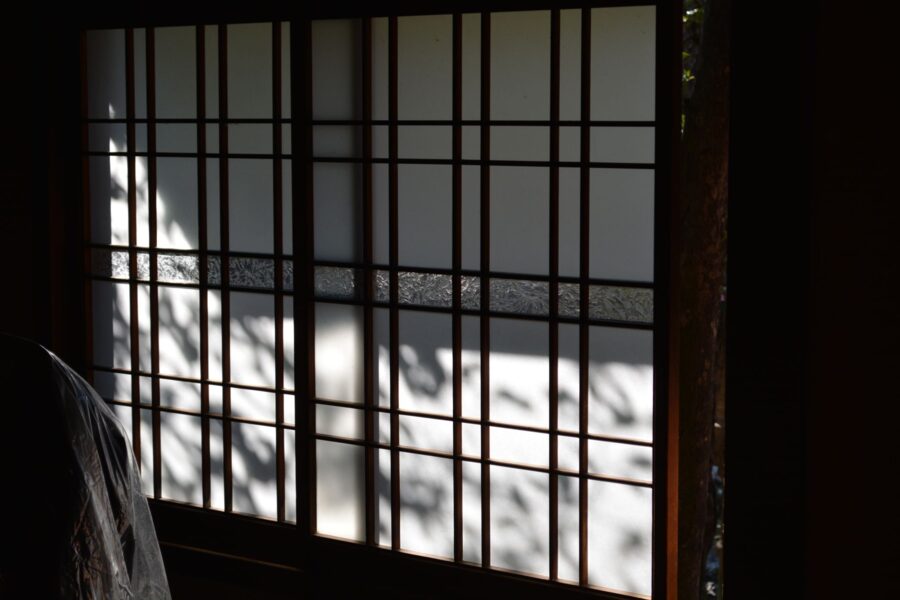
Tanizaki’s long essay of 1933 is a defense of dim rooms, lacquer seen by candlelight, old wooden toilets and everything electric light ruined. The English version most people read is by Thomas Harper and Edward Seidensticker (Leete’s Island Books, 1977), short enough for one train ride. Take it to a temple or a ryokan room in the late afternoon and it makes sense in a way no design book manages.
The classics of Japan writing in English
The travel writers are where a reading list earns its place in a suitcase. They walked, hitched, sailed and stayed, and they wrote about real towns you can go to.
Unbeaten Tracks in Japan, by Isabella Bird
Bird, an English traveler in her forties, rode north from Tokyo in 1878 on horseback and by packhorse, through Nikko and the mountains of Tohoku to Hokkaido, where she stayed with Ainu families. John Murray published her letters in 1880. She complains about fleas and rain and praises the safety of the roads, and she is one of the few early visitors who describes the Ainu as neighbors rather than curiosities.
Glimpses of Unfamiliar Japan and Kwaidan, by Lafcadio Hearn
Hearn arrived in 1890, taught English in Matsue, married Koizumi Setsu and became a Japanese citizen as Koizumi Yakumo. Glimpses of Unfamiliar Japan (1894) is his Matsue book, and Kwaidan (1904) is the collection of ghost stories, many of them told to him by Setsu, that most Japanese schoolchildren still know in some form.
He is romantic and he idealizes old Japan, but he listens well. NHK’s morning drama Bakebake, which ran from September 2025 to March 2026, was built on Setsu’s life with him. In Matsue, the Lafcadio Hearn Memorial Museum stands next to the samurai house he rented by the castle moat.
The Inland Sea, by Donald Richie
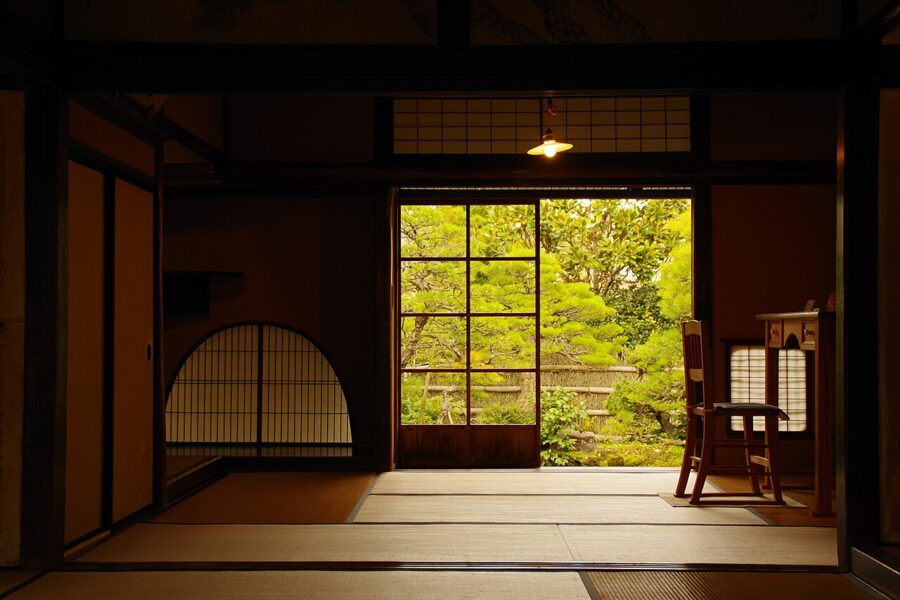
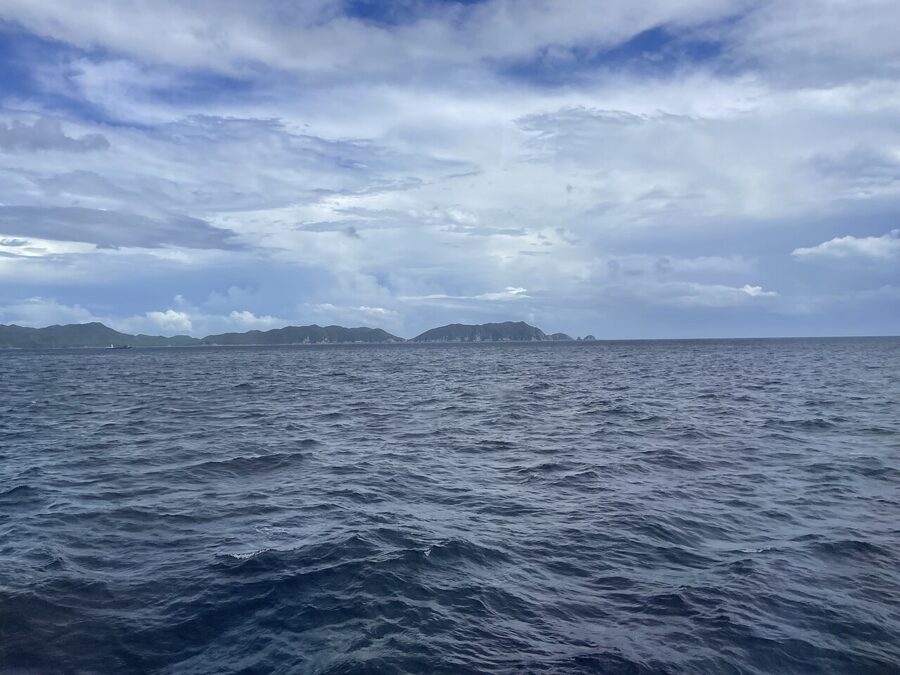
Richie came to Tokyo with the occupation in 1947 and lived there most of his life until his death in 2013, at 88. The Inland Sea (1971) follows him by boat among the islands of the Seto Inland Sea, part travel book, part confession, part elegy for a coast he thought was vanishing. Buy Stone Bridge Press’s 2015 edition, which adds an introduction by Pico Iyer, a new afterword and a map. His The Japan Journals: 1947-2004 (2004) is the long view: a diary of almost sixty years in Tokyo.

The Roads to Sata, by Alan Booth
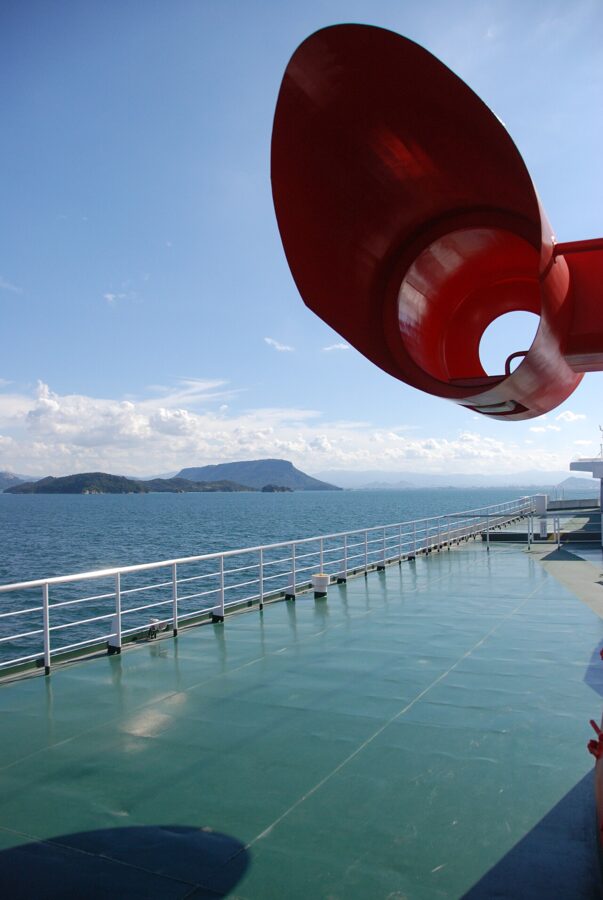
If you read one book on this shelf, make it this one. Booth, a Londoner who came to Japan in 1970 to study Noh, walked from Cape Sōya at the northern tip of Hokkaido to Cape Sata at the southern tip of Kyushu in 1977: 128 days and about 2,000 miles, mostly on back roads, drinking beer in every town that would serve him. The book came out in 1985 and Penguin reissued it in October 2020.
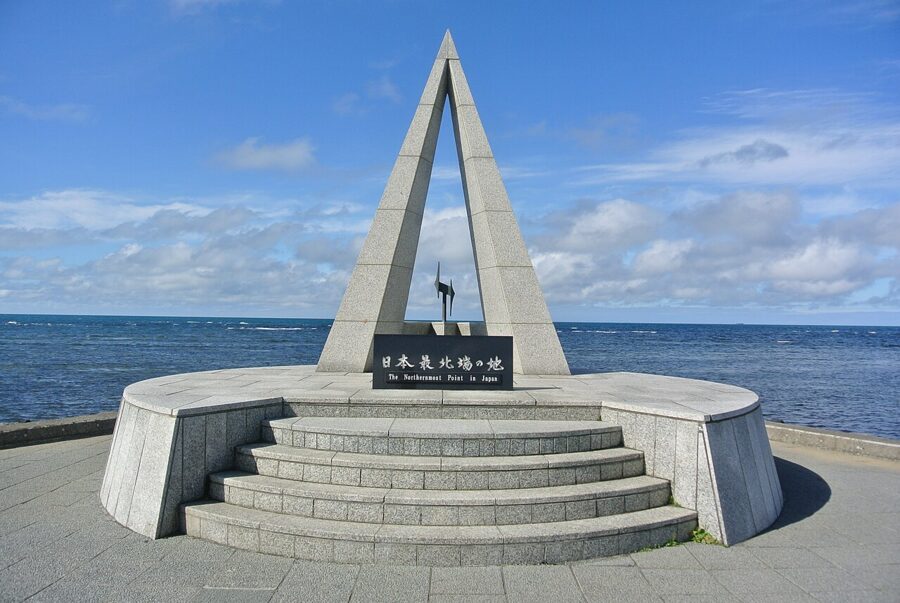

He is funny, rude about bad food and kind to almost everyone he meets, and he never pretends Japan is a theory. His second walking book, Looking for the Lost (Kodansha International, 1995), came out two years after he died of cancer at 46. Both ends of the first walk are now a domestic flight from Tokyo plus a long drive, to Wakkanai in the north and Kagoshima in the south.
Hokkaido Highway Blues, by Will Ferguson
Ferguson, a Canadian teaching English in Japan, bet his colleagues he could follow the sakura zensen (桜前線, cherry blossom front) from Cape Sata to Cape Sōya by hitchhiking. It appeared in the US and UK in 1998 as Hokkaido Highway Blues and in a fuller Canadian edition in 2005 as Hitching Rides with Buddha, so look under both titles. It is lighter than Booth, a comedy for a first-timer. I would not plan a trip around hitchhiking; the long-distance highway buses cover most of his route.
The Lady and the Monk and Autumn Light, by Pico Iyer
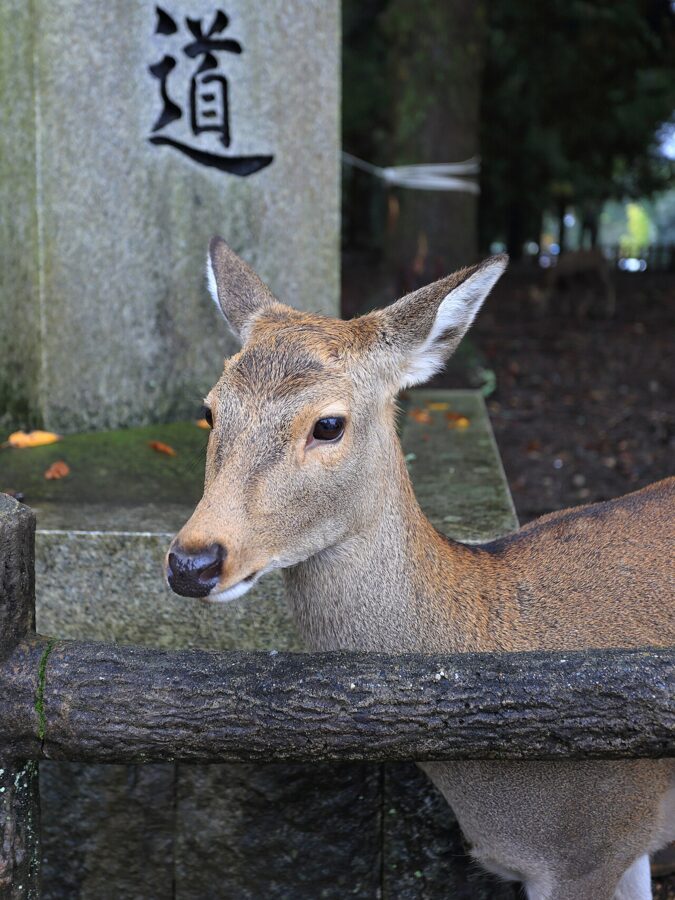
Iyer went to Kyoto in 1987 to live for a while in a temple and met Hiroko Takeuchi, who appears in The Lady and the Monk (Knopf, 1991) under another name. They have lived in Nara for decades since. Autumn Light (2019) returns thirty years on, to her father’s death, her mother’s decline and ping-pong at a neighborhood club. The first book is a love story about Kyoto; the second, with its companion of short notes, A Beginner’s Guide to Japan (2019), is the better book.

Lost Japan and Dogs and Demons, by Alex Kerr
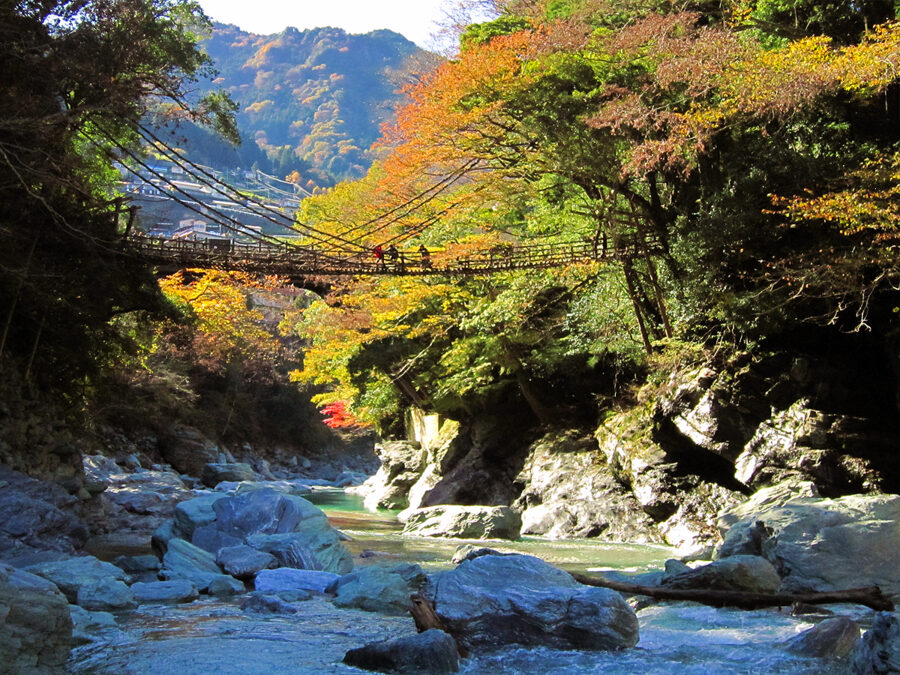
Kerr wrote Lost Japan in Japanese first, as Utsukushiki Nihon no zanzō (美しき日本の残像, Shinchosha, 1993), and in 1994 it made him the first non-Japanese winner of the Shincho Gakugei Prize for nonfiction. The English version (1996, now a Penguin paperback) covers kabuki, calligraphy, Kyoto and Chiiori, the thatched farmhouse in Tokushima’s Iya Valley he bought as a student in 1973. Read it if old houses and old arts are why you are going.
Dogs and Demons: Tales from the Dark Side of Japan (Hill and Wang, 2001) is the angry sequel: concrete riverbanks, public-works spending and cities that tore down their past. Some of its numbers are a quarter-century old, but walk along any concreted river and you will see his point. His 2019 book on overtourism, Kankō bōkokuron (観光亡国論, with Kiyono Yumi), is in Japanese only, a pity, since it is the one about you, the visitor.
_in_autumn)_22_Nov,_2011_-_panoramio.jpg)
Ghosts of the Tsunami, by Richard Lloyd Parry
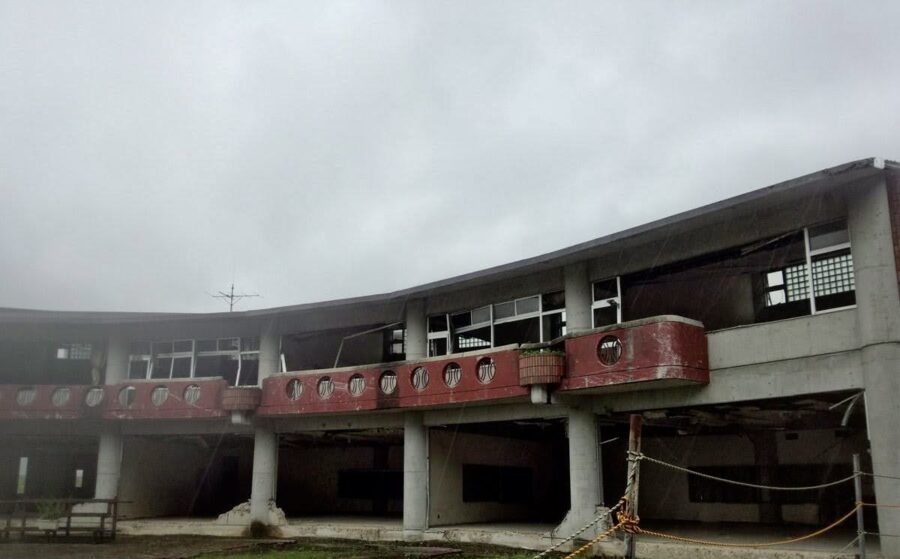
Lloyd Parry, Tokyo correspondent for The Times, spent six years with the families of Ōkawa Elementary School in Ishinomaki, where 74 children died in the 2011 tsunami, and with the priests who were asked to exorcise the ghosts that followed. The book (Jonathan Cape, 2017) is hard reading and the best nonfiction about Japan of the last decade. The school building now stands as a memorial, opened to the public in July 2021; if you go to Tohoku, read this first.

Fiction, from Genji to the convenience store
Novels do something none of the books above can: they let you overhear people. This shelf runs a thousand years, so take the edition notes seriously.
The Tale of Genji, by Murasaki Shikibu
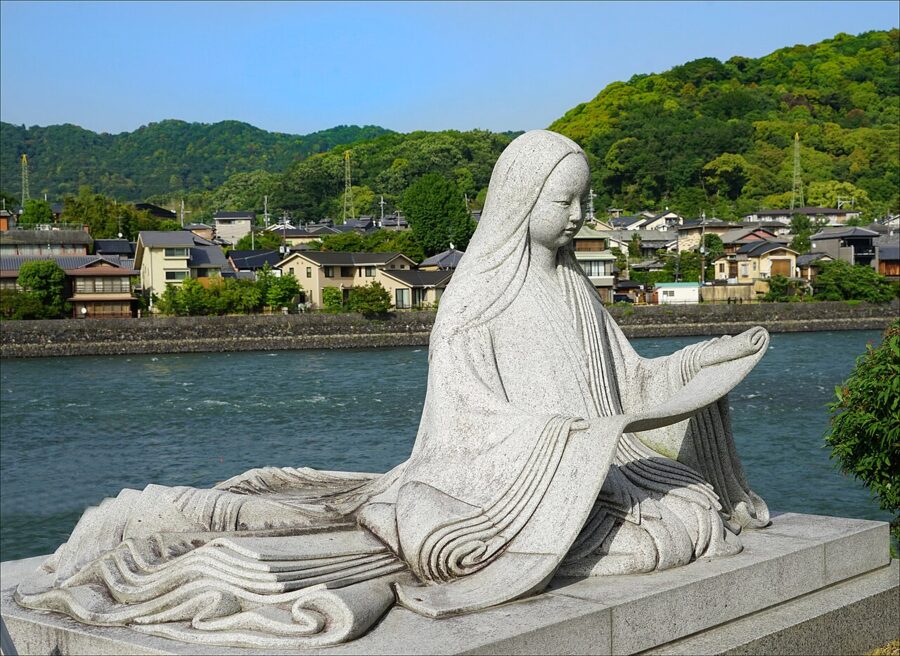
The answer most people give when asked for the greatest Japanese book is this one, written by a court lady in Kyoto around the year 1000. The translation decides what you read: Arthur Waley’s (1925-33) is graceful and free, dropping passages and many poems; Edward Seidensticker’s (Knopf, 1976) is complete and plain; Royall Tyler’s (Viking, 2001) is the most faithful and the most annotated; Dennis Washburn’s (Norton, 2015) is the newest. For a first reading I would take Seidensticker, then Tyler if you fall for it. The last ten chapters move to Uji, south of Kyoto, so read those on the train out.

Kokoro, by Natsume Sōseki
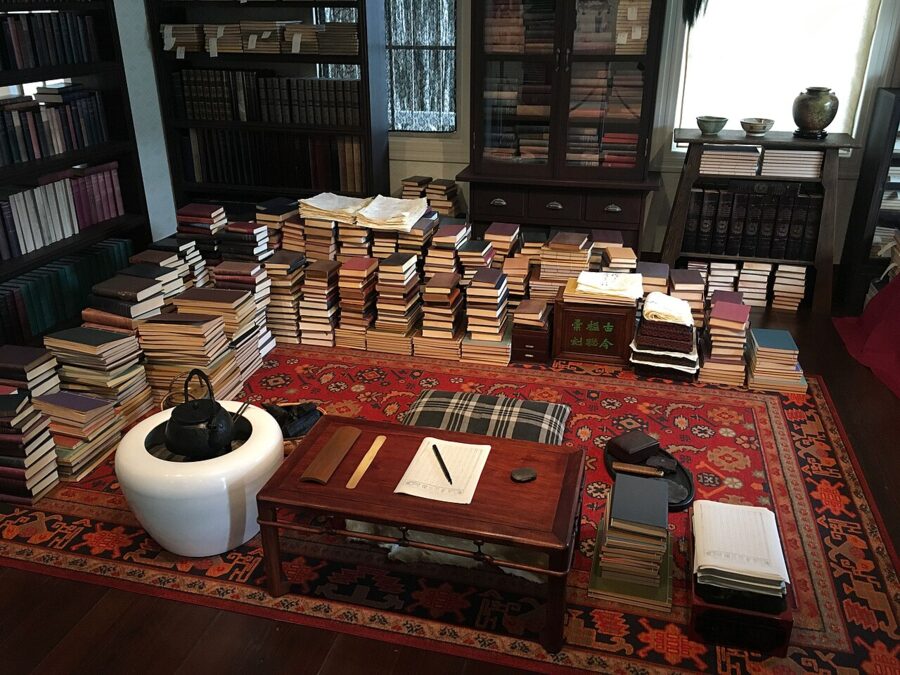
Sōseki’s novel was serialized in the Asahi Shimbun in 1914: a student, an older man he calls Sensei, and a long letter that explains Sensei’s silence. It is short, sad and about the end of the Meiji era, and most Japanese readers meet at least part of it at school. There are two English versions to choose from: Edwin McClellan’s of 1957, which held the field for fifty years, and Meredith McKinney’s for Penguin Classics (2010), which reads more easily today.
Snow Country, by Kawabata Yasunari
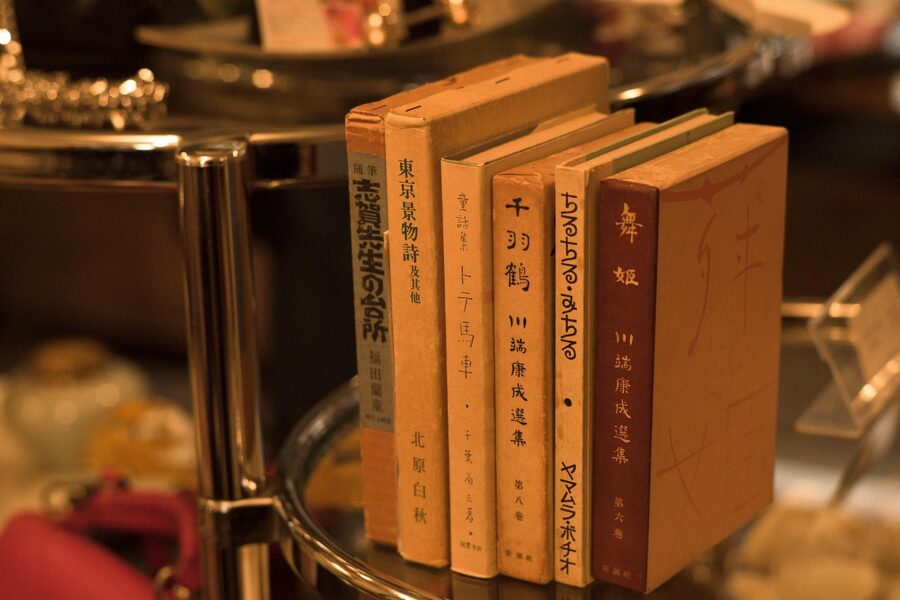
“The train came out of the long tunnel into the snow country.” That is Seidensticker’s first line (Knopf, 1956), and the book is still read in his translation. A Tokyo dilettante, a hot-spring geisha and a winter that never quite lets them meet: it is spare, chilly and one of the reasons Kawabata won the Nobel Prize in 1968.
Kawabata wrote much of it between 1934 and 1937 at Takahan, an inn in Echigo-Yuzawa that still takes guests and keeps his room, Kasumi-no-ma, as a small literary museum that staying guests can see free. Echigo-Yuzawa is on the Joetsu Shinkansen, a little over an hour from Tokyo; see Shinkansen booking for the seat, and booking hotels and ryokan for the inn.
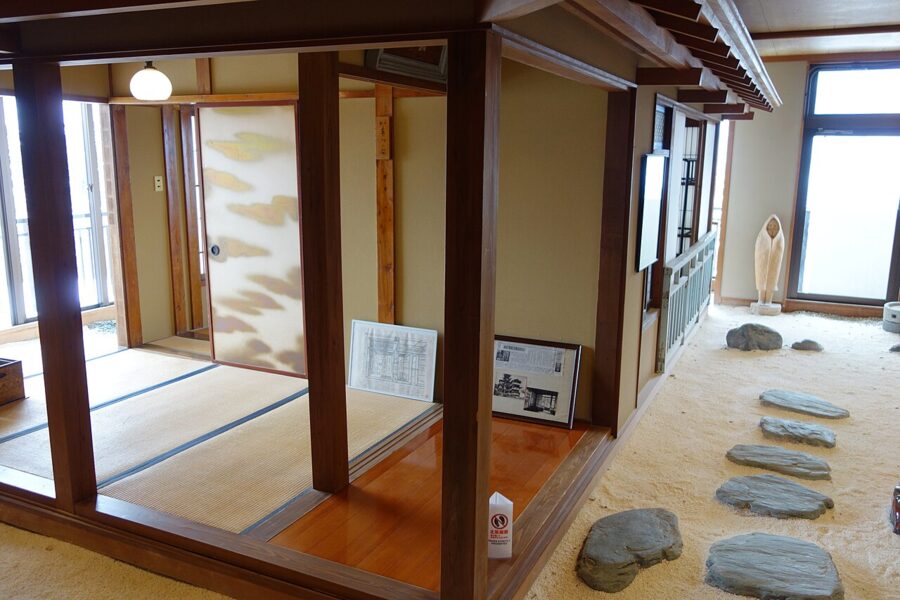
The Temple of the Golden Pavilion, by Mishima Yukio
In July 1950 a young acolyte burned down Kinkaku-ji, the Golden Pavilion in Kyoto; Mishima turned the crime into a novel in 1956, and Ivan Morris translated it for Knopf in 1959. The pavilion you will photograph is the 1955 rebuilding. Reading the book first changes the visit: you stop looking at the gold and start thinking about the boy who could not stand it.
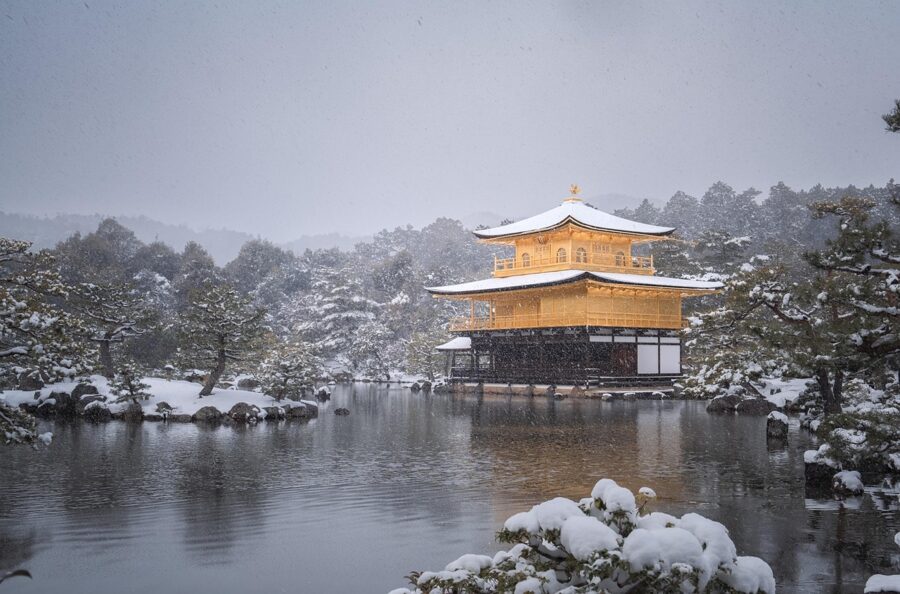
Norwegian Wood, by Murakami Haruki
Murakami’s most realistic novel (1987) follows a Tokyo student in the late 1960s, and it is the best place to start with him. Get Jay Rubin’s translation (2000), not the earlier Alfred Birnbaum version (1989), which was published in Japan only, for students of English. His newest novel in English is The City and Its Uncertain Walls (Knopf, 2024, translated by Philip Gabriel).
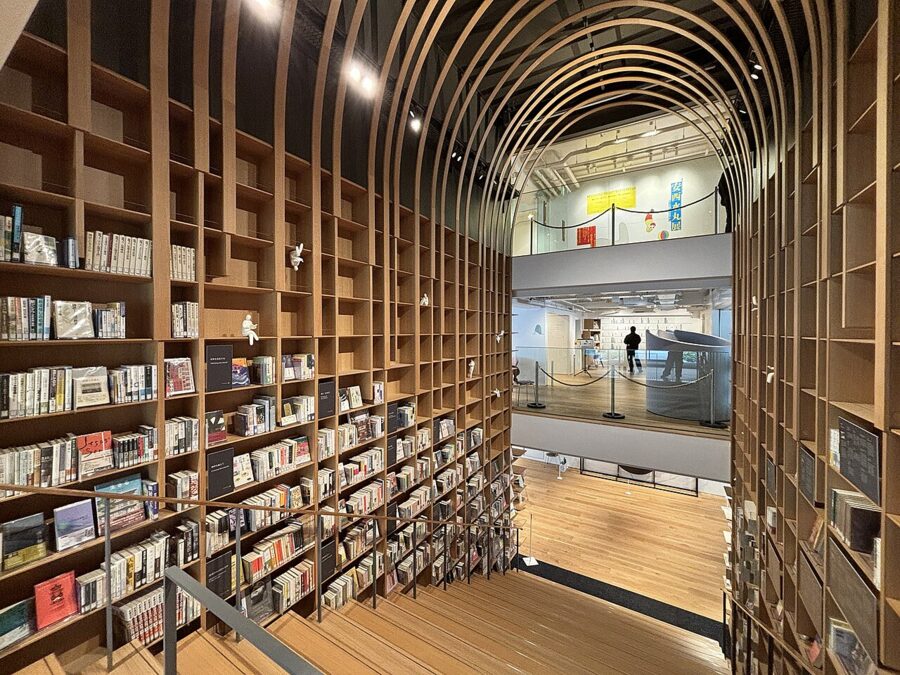
Murakami gave his papers and record collection to his old university, and the Haruki Murakami Library (the Waseda International House of Literature) opened on the Waseda campus in October 2021. As of November 2026 it is open 10 a.m. to 5 p.m., closed Wednesdays, and free.

Strange Weather in Tokyo, by Kawakami Hiromi
A woman in her late thirties keeps running into her old high school teacher at the same bar, and over a year of sake and small dishes something like love grows. The Japanese original, Sensei no kaban, won the Tanizaki Prize in 2001; Allison Markin Powell’s translation first came out in 2012 as The Briefcase and is now sold as Strange Weather in Tokyo, so don’t buy it twice. It is the gentlest book on this list and the best guide to what an izakaya evening feels like.
Breasts and Eggs, by Kawakami Mieko
Unrelated to Hiromi, and much louder. Breasts and Eggs (Europa Editions, 2020, translated by Sam Bett and David Boyd) follows three women of one working-class Osaka family over a hot Tokyo summer and, in its second half, a writer’s question of whether to have a child alone. Her newest in English, Sisters in Yellow (Knopf, March 2026, translated by Laurel Taylor and Yoshio Hitomi), is a noir about girls in 1990s Tokyo trying to make money any way they can.
Convenience Store Woman, by Murata Sayaka
Keiko has worked the same convenience store shift for eighteen years and is happier there than anywhere else, and everyone around her wants her to stop. Murata won the Akutagawa Prize for it in 2016, and Ginny Tapley Takemori’s translation (Grove, 2018) made her name in English. It is short, very funny and quietly savage, and you will never walk into a konbini the same way again.

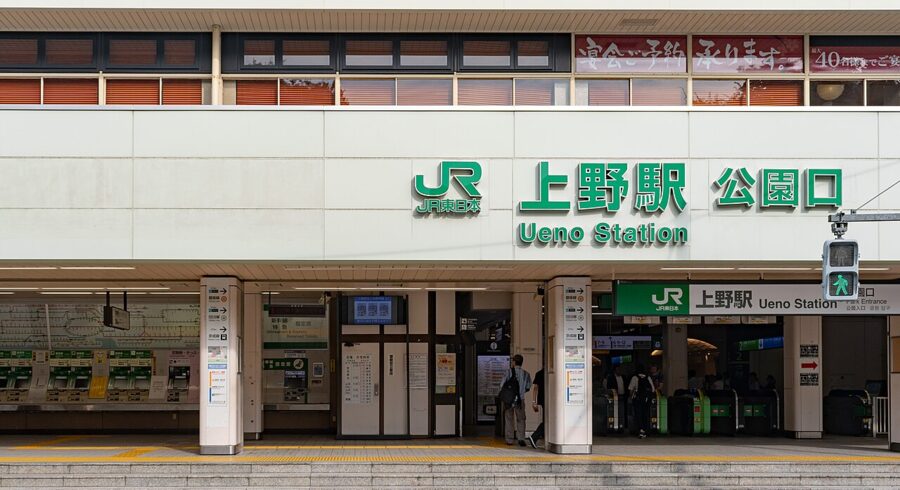
Tokyo Ueno Station, by Yu Miri
The ghost of a laborer from Fukushima, born the same year as the emperor, drifts around Ueno Park, where he spent his last years in a homeless camp. Morgan Giles’s translation (Tilted Axis, 2019) won the US National Book Award for translated literature in 2020. Read it before you go to the museums in Ueno Park, then look at who else is sitting on the benches.

Butter, by Yuzuki Asako
A journalist tries to interview a woman convicted of killing three men she had fed and courted, and the woman’s price for talking is that the journalist eat and cook what she tells her to. The novel (2017) draws on the real case of Kijima Kanae, and Polly Barton’s translation (4th Estate, 2024) was Waterstones’ Book of the Year in 2024. It belongs on the food shelf too: few books are so plain about appetite, weight and women in Japan.
And the best-seller
Asked which Japanese book has sold most copies worldwide, the answer is not a novel. Kuroyanagi Tetsuko’s memoir of her unusual Tokyo primary school in the years around the war, Totto-chan: The Little Girl at the Window (1981; English translation by Dorothy Britton, 1982), holds the Guinness record for the most copies published of an autobiographical memoir by a single author: 25,113,862 as of September 2023. It is short, warm and a good book to read with children before a family trip.
So is Kadono Eiko’s Kiki’s Delivery Service (1985), the novel behind the Studio Ghibli film, in Emily Balistrieri’s 2020 translation for Delacorte Press. Kadono won the Hans Christian Andersen Award in 2018. Pair it with the Ghibli Museum tickets, which sell out well before the book does.
Food
Most food books about Japan are cookbooks, and most travelers do not need one. Two exceptions, plus Butter above.
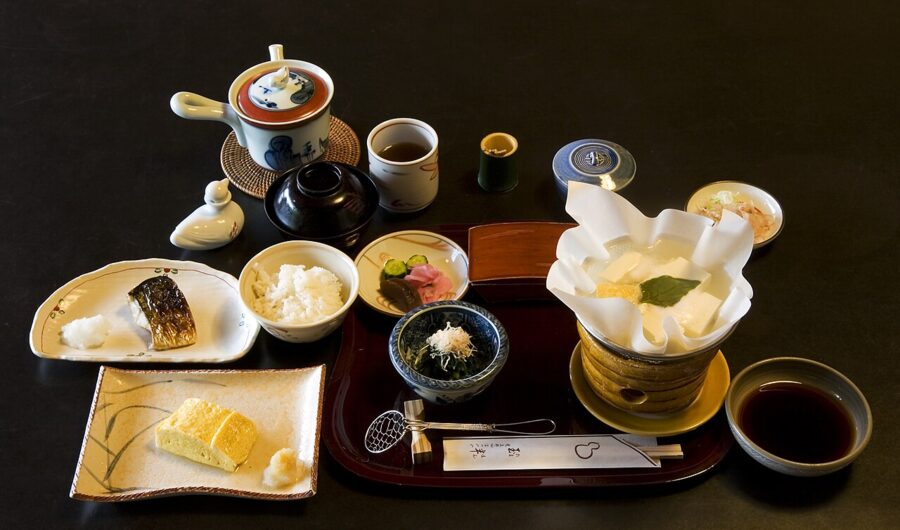

Japanese Cooking: A Simple Art, by Tsuji Shizuo
Tsuji founded one of Japan’s best-known cooking schools, in Osaka, and this book (Kodansha International, 1980, introduced by the food writer M.F.K. Fisher) is still the standard in English. Its opening chapters on ingredients, knives and the order of a meal are the reason to own it even if you never cook. The anniversary edition adds a foreword by Ruth Reichl. When washoku (和食), Japanese food culture, went on UNESCO’s intangible heritage list in December 2013, Tsuji had already explained why, better than the citation does.
Rice, Noodle, Fish, by Matt Goulding
Goulding’s book (Anthony Bourdain Books, 2015) is travel writing organized by meals: long chapters on a handful of cities and regions, built around the cooks and the counters. It is the book that makes you change your itinerary for a bowl of something. Then read the guide to booking restaurants in Japan, because the counters he loves are rarely walk-in.
The practical shelf, and where De Mente fits
Every list needs a guidebook and an etiquette book, and Boyé Lafayette De Mente is where those two meet.
Lonely Planet Japan
The 19th edition came out in July 2026, 856 pages, alongside the publisher’s first separate guides to Hokkaido and to Okinawa and the southwest islands. Buy the newest edition of any guidebook, because Japanese prices for rail passes, castles and museums have climbed fast since 2023, and check anything with a date or a price on the operator’s own site.
Japan by Rail, by Ramsey Zarifeh and Anna Udagawa
Trailblazer’s rail guide (fifth edition, 2022) is built route by route, with strip maps of what you see from the window, and it is the best companion on a long train trip. Its pass prices are out of date: the nationwide Japan Rail Pass rose steeply in October 2023, and as of November 2026 a 7-day ordinary pass costs ¥50,000 (about US$314) bought online. Use the book for the routes and the official site for the money.
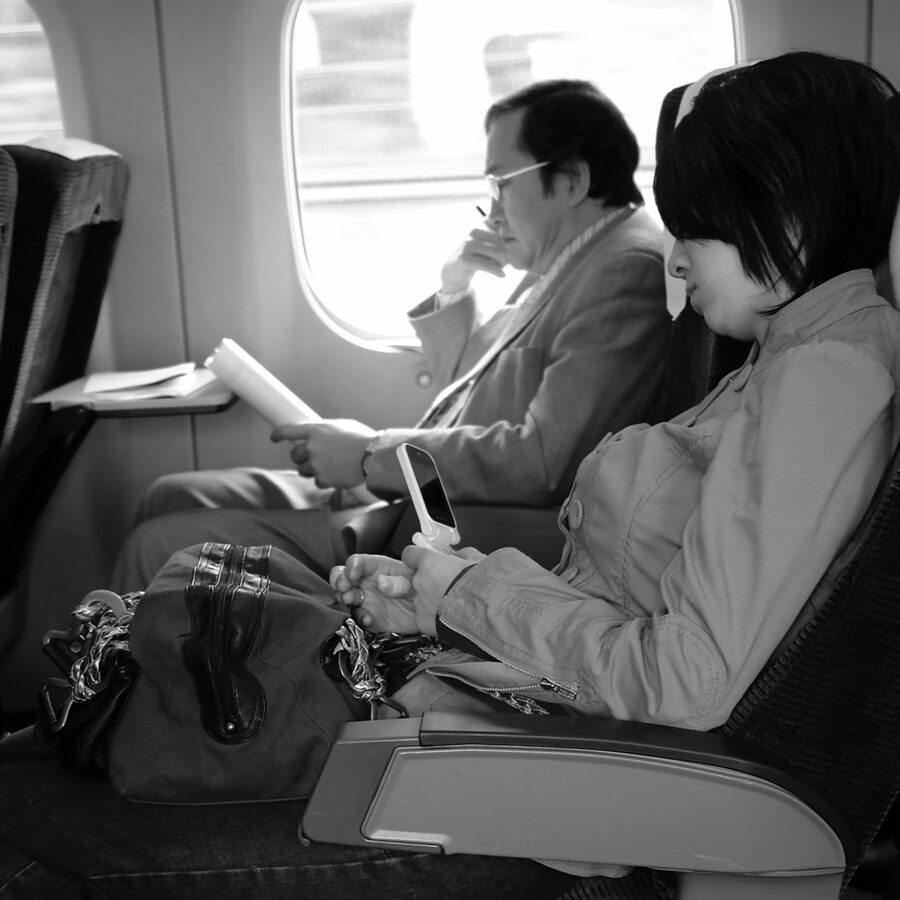
De Mente’s books
De Mente arrived in occupied Tokyo in 1949 and wrote Japan books for sixty years, and his best ones sit between the etiquette guide and the theory of national character. Start with the Etiquette Guide to Japan (Tuttle, revised in 2015 with Geoff Botting), which is short and useful on name cards, bowing, baths and dinners. Japan’s Cultural Codewords (Tuttle, 2025) is a book to dip into: one Japanese word, one short essay.
His big idea is kata (型, form), set out in Japan Unmasked (2005) and in its revised descendant, Japan: A Guide to Traditions, Customs and Etiquette (Tuttle, 2018). It is good on what happens in the room and weak on why, so read it with Sugimoto beside it, the way you read Benedict with her critics. His earlier books are period pieces: Exotic Japan shows how Japan was sold to Western visitors in the 1970s, and Japanese Secrets of Graceful Living is a short tour of tea rooms, gardens and alcoves that still works as a list of things to go and see.
Where the books are
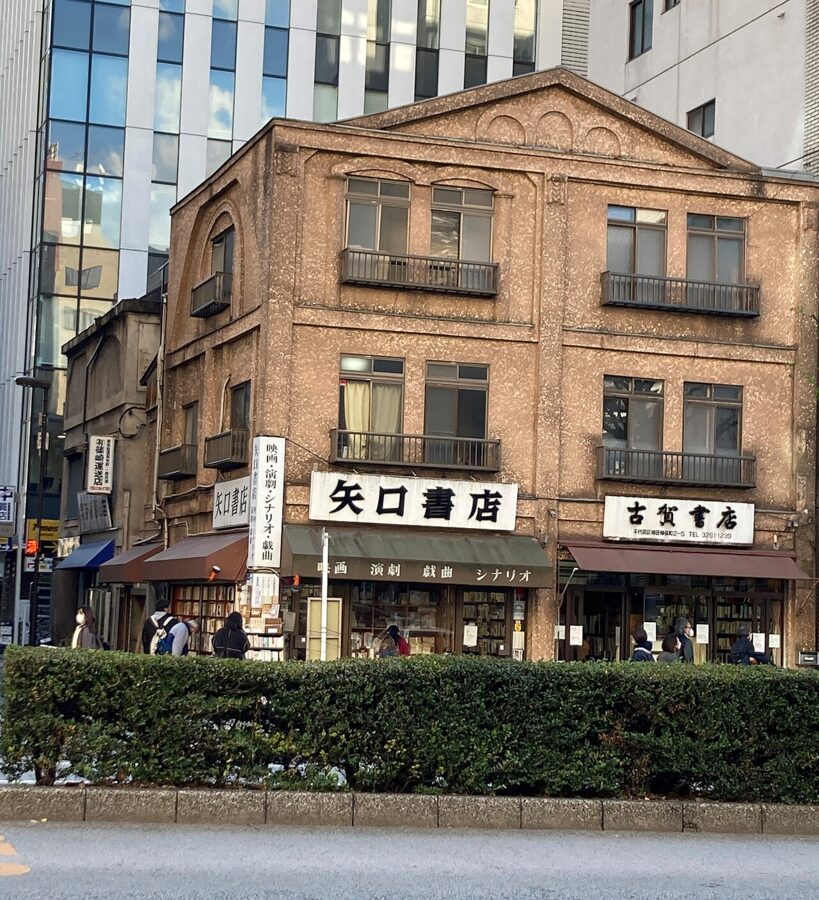
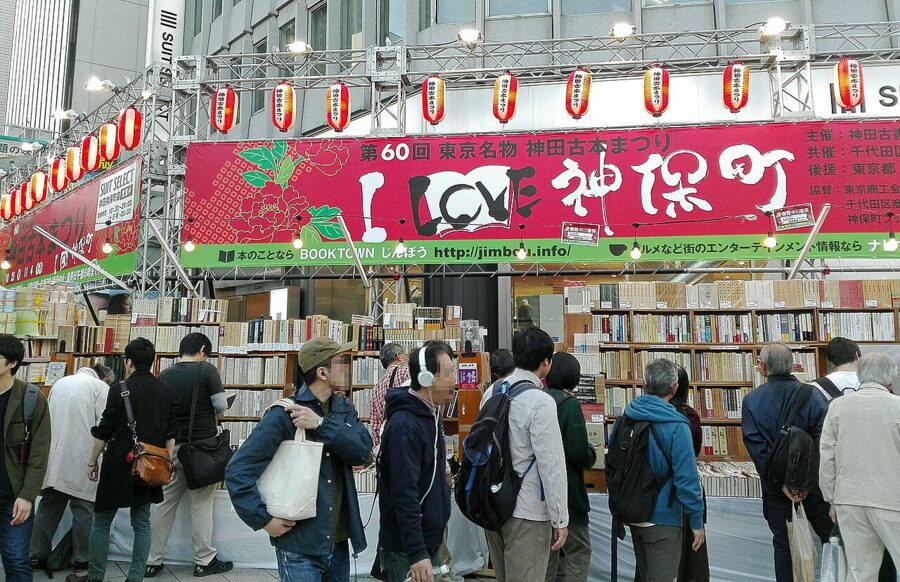
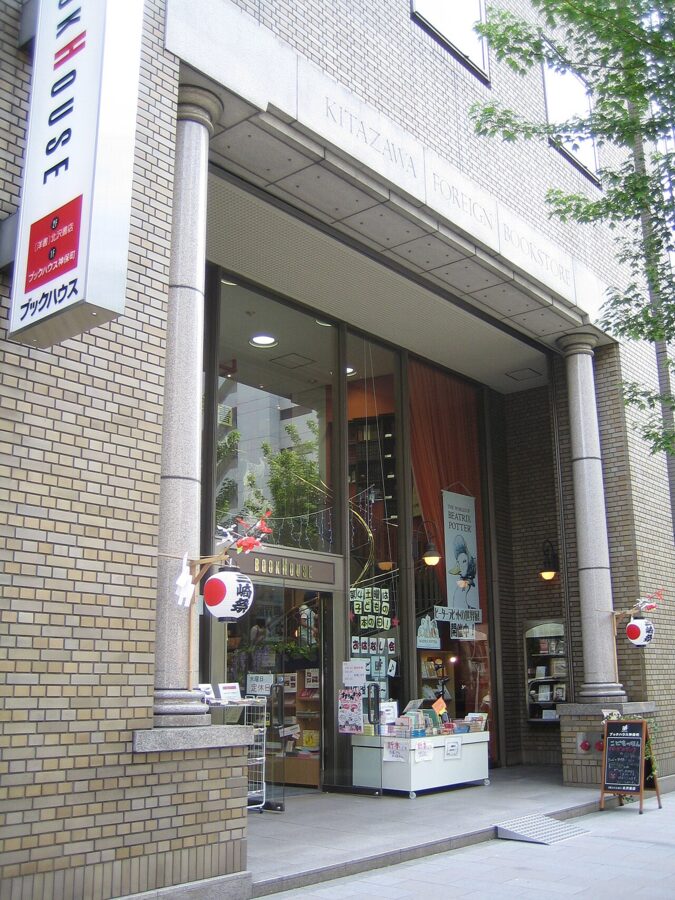
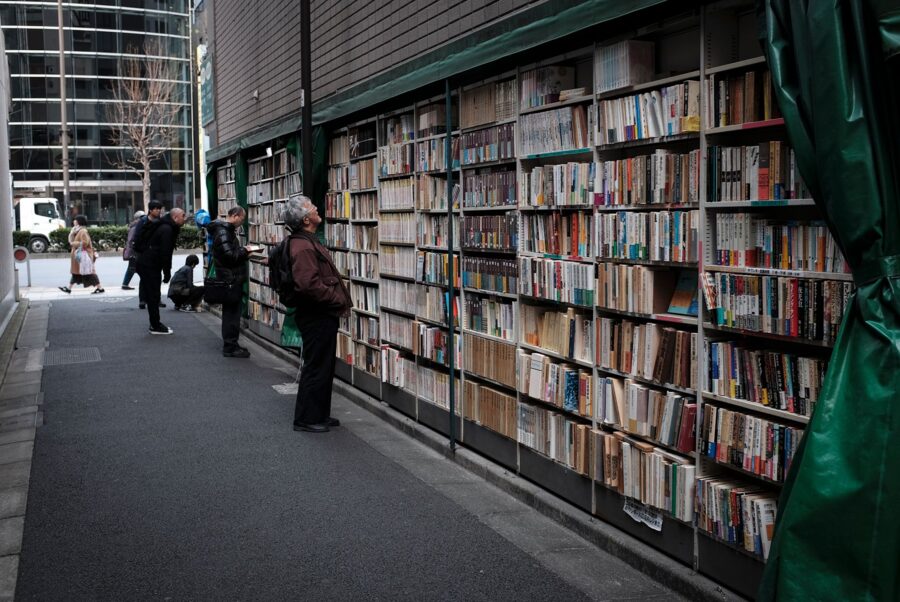
Tokyo has its own book town. Kanda Jimbocho, around Jimbocho station, has more than a hundred secondhand and specialist dealers, and you can spend a whole morning there without buying anything in English. The annual Kanda Furuhon Matsuri puts their stock on the pavement: the 66th, in 2026, ran from October 23 to November 1 with about 120 dealers.
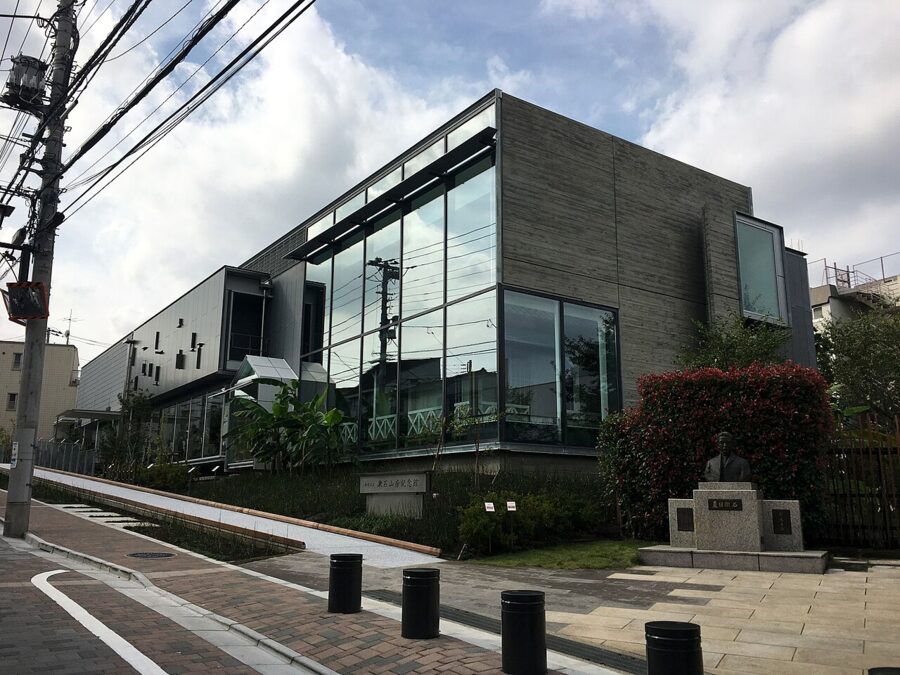
Sōseki’s last house stood in Waseda Minamicho, where he wrote Kokoro and died in 1916. Shinjuku City’s Natsume Soseki Memorial Museum now occupies the site and recreates his study; as of November 2026 it opens 10 a.m. to 6 p.m. (last entry 5:30), is closed Mondays, and charges ¥300 (about US$2) for the regular exhibition. The Murakami library is a short walk away on the Waseda campus, so the two make one afternoon.
Benedict, who never went, had to read Japan from a distance. You do not. Take Booth and one novel, and test them both against the first town you walk through.